

Topics covered in this post
What gastroesophageal reflux is
Typical and atypical symptoms
Main causes and risk factors
Difference between reflux and gastritis
Diagnosis and recommended tests
Possible complications
Treatment: lifestyle changes and medications
When surgery may be necessary
Diet and reflux: what to avoid
Myths and facts
Quick FAQ
Important notice (health disclaimer)
References and recommended reading
What is gastroesophageal reflux
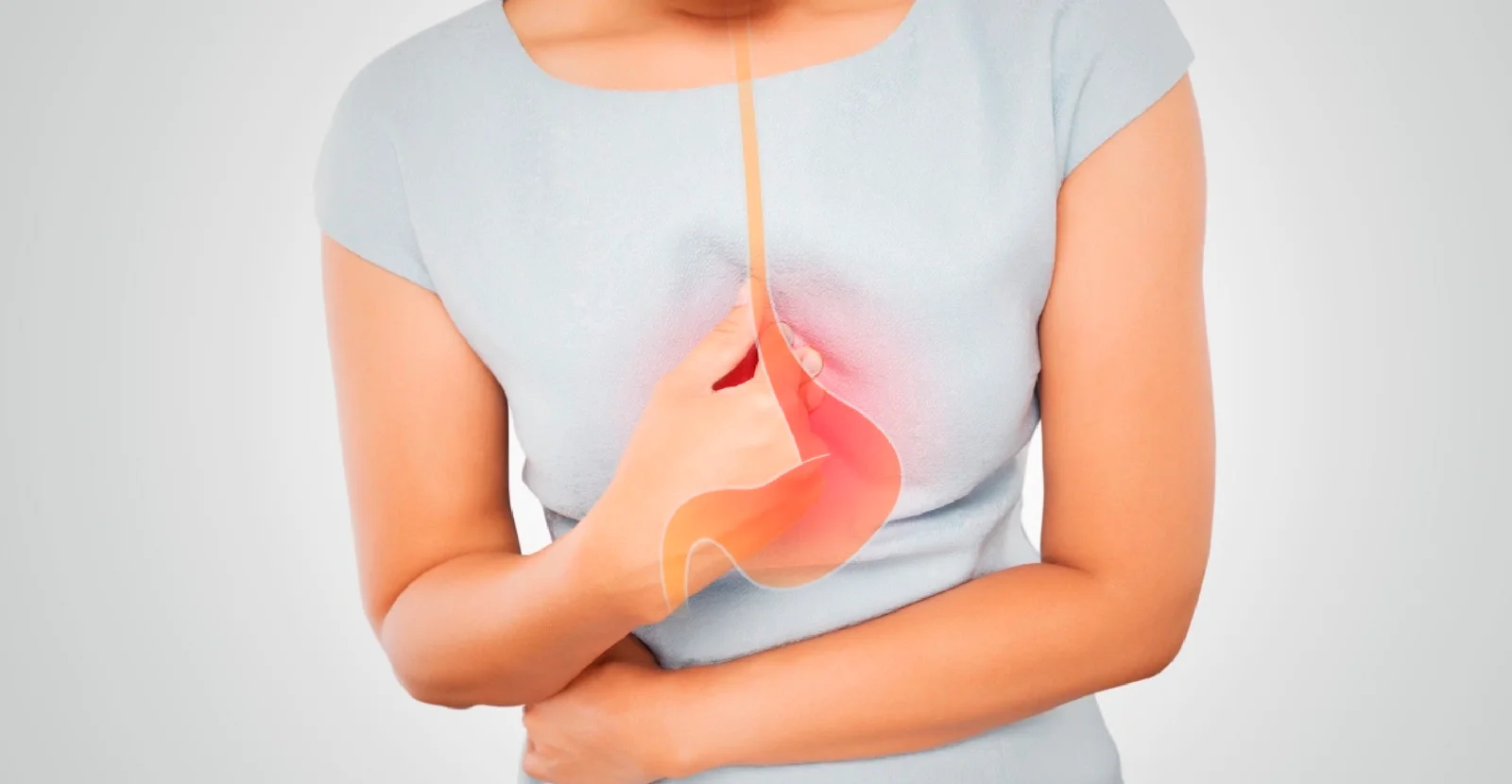
Gastroesophageal reflux occurs when stomach contents, especially acid, flow back into the esophagus, irritating its lining.
This usually happens due to dysfunction of the lower esophageal sphincter, a “valve” that should prevent this backflow.
When symptoms are frequent or persistent, the condition is called gastroesophageal reflux disease (GERD).
Typical and atypical symptoms
Common symptoms:
Heartburn (burning sensation in the chest)
Acid sensation rising into the throat
Regurgitation (backflow of food or liquid)
Discomfort after meals
Less obvious symptoms:
Chronic cough
Hoarseness or frequent throat clearing
Chest pain that may mimic heart problems
Sensation of a “lump in the throat”
Persistent bad breath
These atypical symptoms can delay diagnosis.
Main causes and risk factors
Reflux can have multiple causes:
Hiatal hernia
Obesity
Pregnancy
High-fat diet
Alcohol, coffee, and chocolate consumption
Smoking
Use of certain medications
Lying down shortly after eating also increases the likelihood of reflux.
Difference between reflux and gastritis
Although symptoms may seem similar, these are different conditions:
Reflux: affects the esophagus due to acid backflow
Gastritis: inflammation of the stomach lining
A person may have both conditions at the same time, but treatment approaches differ.
Diagnosis and recommended tests
Many cases are diagnosed based on symptoms alone. When needed, tests may include:
Upper endoscopy
Esophageal pH monitoring (measures acid exposure)
Esophageal manometry (assesses motility)
These tests help confirm the diagnosis and evaluate complications.
Possible complications
If left untreated, reflux can lead to:
Esophagitis (inflammation of the esophagus)
Esophageal narrowing (strictures)
Barrett’s esophagus (a precancerous condition)
Increased risk of esophageal cancer in advanced cases
Treatment: lifestyle changes and medications
Treatment usually starts with lifestyle modifications.
Key measures:
Avoid lying down after meals
Elevate the head of the bed
Lose weight if needed
Reduce alcohol and caffeine intake
Medications:
Proton pump inhibitors (PPIs) such as omeprazole
Antacids
H2 blockers
These medications reduce stomach acid and relieve symptoms.
When surgery may be necessary
Surgery may be considered in cases such as:
Persistent symptoms despite treatment
Reflux complications
Long-term dependence on medication
The most common procedure is fundoplication, which reinforces the barrier between the stomach and esophagus.
Diet and reflux: what to avoid
Some foods may worsen symptoms:
Fatty foods
Fried foods
Chocolate
Coffee
Carbonated drinks
Alcohol
Highly acidic foods
Sensitivity varies from person to person, so it’s important to identify individual triggers.
Myths and facts
“Reflux is always mild and harmless.”
Myth. It can lead to complications if untreated.
“Milk helps relieve reflux.”
Partly myth. It may provide temporary relief but can worsen symptoms later.
“Only overweight people have reflux.”
Myth. While it is a risk factor, lean individuals can also develop reflux.
Quick FAQ
Can reflux be cured?
It can often be well controlled with lifestyle changes and proper treatment.
Is heartburn always reflux?
Not always, but it is the most common symptom.
Can I take omeprazole on my own?
Long-term use should be guided by a healthcare professional.
Important notice (health disclaimer)
This content is for educational purposes only and does not replace medical consultation. Persistent symptoms, chest pain, or difficulty swallowing should be evaluated by a healthcare professional.
References and recommended reading
American College of Gastroenterology (ACG). Guidelines for GERD management.
World Gastroenterology Organisation (WGO). GERD global guidelines.
Brazilian Society of Gastroenterology. Gastroesophageal reflux disease.
NICE. Gastro-oesophageal reflux disease and dyspepsia in adults.