
Content covered in this post
What is tuberculosis
Why World Tuberculosis Day exists
How tuberculosis is transmitted
Common symptoms
Difference between pulmonary and extrapulmonary tuberculosis
Main risk factors
Diagnosis and recommended tests
Treatment and cure
Is tuberculosis curable?
How to prevent tuberculosis
Myths and facts
Quick FAQ
Important notice (health disclaimer)
References and further reading
What is tuberculosis
Tuberculosis (TB) is an infectious disease caused by the bacterium Mycobacterium tuberculosis, also known as Koch’s bacillus. It primarily affects the lungs but can also involve other organs such as the kidneys, bones, and brain.
Despite being an ancient disease, tuberculosis remains a major global public health concern.
Why World Tuberculosis Day exists
March 24 marks the date in 1882 when Dr. Robert Koch announced the discovery of the bacterium that causes tuberculosis.
This global campaign aims to raise awareness about:
The importance of early diagnosis
Proper treatment
Disease prevention
Reducing stigma associated with tuberculosis
How tuberculosis is transmitted
Tuberculosis spreads through the air.
When a person with active pulmonary TB coughs, speaks, or sneezes, they release droplets containing the bacteria, which can be inhaled by others.
Important points:
It is not transmitted through shared objects
Prolonged close contact increases the risk
Common symptoms
The main symptom of tuberculosis is a persistent cough.
Most common symptoms include:
Cough lasting more than 3 weeks
Cough with sputum, sometimes with blood
Fever, often in the late afternoon or evening
Night sweats
Unintentional weight loss
Fatigue
These symptoms should always be evaluated by a healthcare professional.
Difference between pulmonary and extrapulmonary tuberculosis
Pulmonary tuberculosis:
The most common form
Affects the lungs
Responsible for transmission
Extrapulmonary tuberculosis:
Affects other parts of the body (lymph nodes, bones, kidneys, brain)
Usually not contagious
May present with less specific symptoms
Main risk factors
Some conditions increase the risk of developing active tuberculosis:
Close contact with an infected individual
Weakened immune system
HIV/AIDS
Diabetes
Malnutrition
Smoking
Alcohol or substance use
Diagnosis and recommended tests
Diagnosis is based on clinical evaluation and laboratory tests.
Main tests include:
Sputum smear microscopy
Rapid molecular test for TB (e.g., PCR-based tests)
Sputum culture
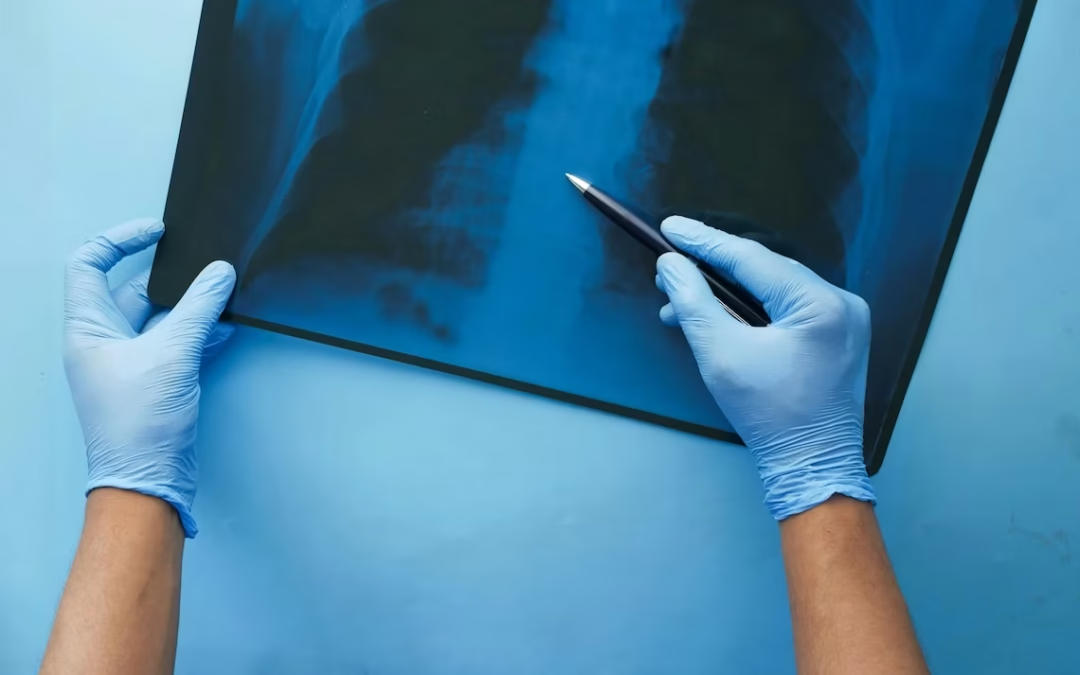
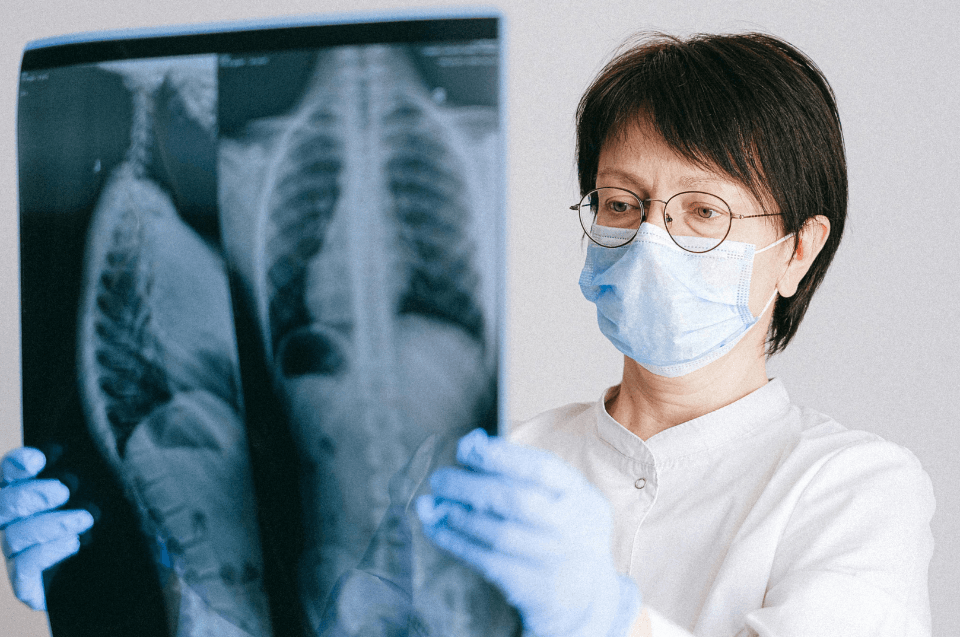
Chest X-ray
Early diagnosis is essential to reduce transmission.
Treatment and cure
Tuberculosis is treatable and curable.
Treatment consists of a combination of antibiotics taken for at least 6 months.
Key points:
Treatment must be completed even if symptoms improve
Interrupting treatment can lead to drug-resistant TB
Medical follow-up is essential throughout therapy
Is tuberculosis curable?
Yes, tuberculosis is curable in most cases.
Successful treatment depends on:
Early diagnosis
Adherence to the full course of medication
Proper medical supervision
How to prevent tuberculosis
Important preventive measures include:
BCG vaccination (especially in children in high-burden countries)
Keeping indoor spaces well ventilated
Early detection and treatment of active cases
Use of masks in specific situations
Screening of close contacts
Myths and facts
“Tuberculosis is a disease of the past.”
Myth. It is still a major global health issue.
“Only vulnerable populations get tuberculosis.”
Myth. Anyone can be infected.
“Tuberculosis is curable.”
Fact. With proper treatment, most patients recover.
“Stopping treatment early is dangerous.”
Fact. It can lead to drug resistance and treatment failure.
Quick FAQ
Is tuberculosis contagious?
Yes, in its active pulmonary form.
Can a long-lasting cough be tuberculosis?
Yes, especially if it lasts more than 3 weeks.
Is treatment available worldwide?
Yes, treatment is widely available, often through public health systems.
Has tuberculosis been eradicated in any country?
Not completely. Some countries have reduced cases to very low levels, but TB still exists worldwide.
Why do some people have a BCG vaccine scar and others don’t?
This depends on national vaccination policies. In countries with higher TB rates, the vaccine is given to all newborns. In low-incidence countries, it is usually limited to high-risk groups.
Does the BCG vaccine fully protect against tuberculosis?
No. It mainly protects children against severe forms of TB, but it does not prevent all cases, especially in adults.
Can people in developed countries get tuberculosis?
Yes. The risk is lower, but TB still occurs, particularly among vulnerable populations.
Why don’t some countries vaccinate everyone with BCG?
Because the overall risk is low, and strategies like early diagnosis and contact tracing are more effective in those settings.
Important notice (health disclaimer)
This content is for educational purposes only and does not replace professional medical advice. Persistent cough, prolonged fever, or unexplained weight loss should be evaluated by a healthcare provider.
References and further reading
World Health Organization (WHO). Tuberculosis fact sheets.
CDC (Centers for Disease Control and Prevention). Tuberculosis (TB).
European Centre for Disease Prevention and Control (ECDC). Tuberculosis.
Stop TB Partnership. Global TB resources.