

Content covered in this post
The meningitis outbreak in the UK: what happened
What is meningococcal meningitis?
How meningococcal meningitis spreads
Main symptoms and warning signs
Meningitis and meningococcal sepsis: why it can be life-threatening
Diagnosis and recommended tests
Treatment and why urgent care matters
Vaccines against meningitis
How to prevent meningitis in everyday life
What to do after close contact with a confirmed case
Myths and facts
Quick FAQ
Important notice (health disclaimer)
References and further reading
The meningitis outbreak in the UK: what happened
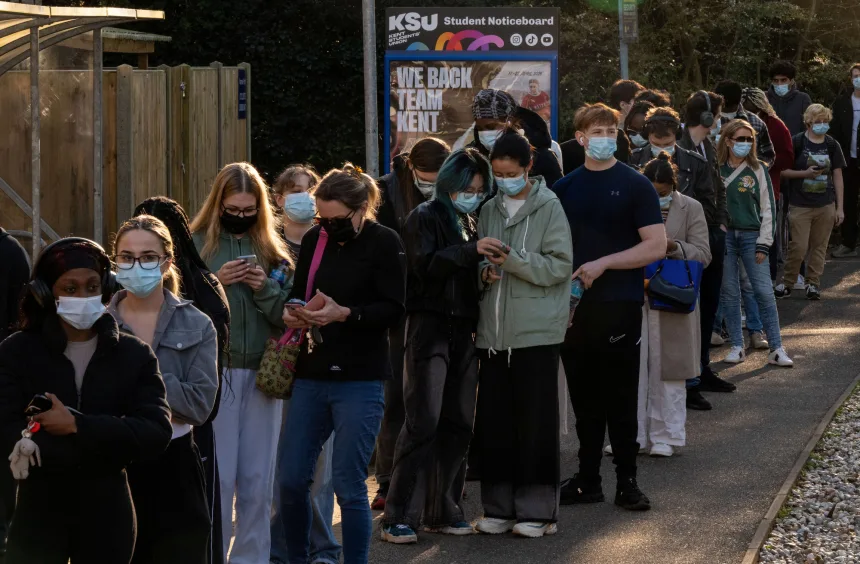
In recent weeks, health authorities in the United Kingdom have reported a concerning outbreak of meningococcal disease, particularly affecting young people and students in parts of England.
The situation gained international attention after severe cases and deaths were confirmed, prompting widespread concern among families, universities, and local communities. Reports also described increased demand for vaccination, with many people seeking medical advice and preventive measures, especially those in higher-risk age groups.
Although officials have emphasized that the overall risk to the general population remains low, the outbreak has served as a reminder of an important reality: bacterial meningitis is a medical emergency and requires immediate attention.
What is meningococcal meningitis?
Meningitis is an inflammation of the meninges, the protective membranes surrounding the brain and spinal cord.
It can be caused by viruses, bacteria, and, more rarely, fungi. Among these, bacterial meningitis is the most serious form because it can progress rapidly and become life-threatening without prompt treatment.
Meningococcal meningitis is caused by the bacterium Neisseria meningitidis (meningococcus) and is one of the most dangerous causes of bacterial meningitis worldwide.
How meningococcal meningitis spreads
Meningococcal infection spreads through respiratory droplets and close personal contact. Transmission is more likely in situations such as:
kissing
coughing or sneezing in close proximity
sharing drinks, cups, bottles, utensils, or cigarettes
living in crowded environments (student housing, dormitories, military barracks)
Unlike the common cold, meningococcal disease does not spread as easily through casual contact, but prolonged close exposure significantly increases the risk.
Main symptoms and warning signs
Symptoms can develop quickly, sometimes within hours, and may worsen rapidly.
Common symptoms include:
sudden high fever
severe headache
stiff neck
nausea and vomiting
confusion, drowsiness, or altered mental status
sensitivity to light (photophobia)
One critical warning sign is the appearance of a purple or reddish rash that does not fade when pressed (often described as a “non-blanching rash”). This may indicate progression to meningococcal sepsis.
In infants and small children, symptoms can be less specific, such as:
irritability
poor feeding
persistent crying
lethargy or difficulty waking
floppy body tone
Meningitis and meningococcal sepsis: why it can be life-threatening
One of the most dangerous aspects of meningococcal disease is that it may cause not only meningitis but also a severe bloodstream infection known as meningococcal sepsis.
This can lead to:
dangerously low blood pressure
organ failure
internal bleeding
septic shock
rapid deterioration and death
For this reason, suspected meningitis should always be treated as a medical emergency.
Diagnosis and recommended tests
Diagnosis is based on clinical evaluation combined with laboratory testing.
Common diagnostic procedures include:
lumbar puncture (spinal tap) to analyze cerebrospinal fluid (CSF)
blood tests and blood cultures
PCR-based testing to identify the pathogen
imaging tests (CT scan or MRI) in selected cases
Early diagnosis is crucial to reduce the risk of complications and long-term consequences.
Treatment and why urgent care matters
Bacterial meningitis requires immediate hospital treatment.
Treatment usually includes:
rapid administration of intravenous antibiotics
hospitalization and close monitoring
supportive care such as fluids, oxygen, and fever control
intensive care when necessary
The sooner antibiotics are started, the better the chance of survival and full recovery.
Vaccines against meningitis
There are effective vaccines against several types of meningococcal bacteria.
The most widely used include:
meningococcal C vaccine
meningococcal ACWY vaccine
meningococcal B vaccine (MenB)
Vaccine schedules and recommendations vary by country, age group, and public health guidelines.
The recent outbreak in the UK has reinforced the importance of vaccination, particularly among adolescents and young adults living in shared environments.
How to prevent meningitis in everyday life
Key prevention strategies include:
keeping vaccinations up to date
avoiding sharing drinks or personal items in crowded settings
practicing good respiratory hygiene
ensuring indoor spaces are well ventilated
seeking medical attention quickly if symptoms appear
What to do after close contact with a confirmed case
People who have had close contact with someone diagnosed with meningococcal disease may require preventive antibiotics, depending on the type of exposure and local public health recommendations.
This approach is often used during outbreaks to reduce transmission and prevent severe cases.
If a confirmed case occurs in a school, workplace, or university environment, it is essential to follow public health guidance and seek medical evaluation when advised.
Myths and facts
“Meningitis is always fatal.”
Myth. Many people recover fully with early treatment.
“Only children get meningitis.”
Myth. Teenagers and adults can also be affected, especially in crowded living conditions.
“Vaccines are the best form of prevention.”
Fact. Vaccination significantly reduces the risk of severe disease and outbreaks.
“A purple rash can be a serious warning sign.”
Fact. It may indicate sepsis and requires urgent medical attention.
Quick FAQ
Is meningococcal meningitis contagious?
Yes, especially through close and prolonged contact.
How long does it take for symptoms to appear?
Usually between 2 and 10 days, but symptoms can escalate rapidly once they begin.
Is meningitis curable?
Yes, especially when treated early with appropriate antibiotics.
Do vaccines prevent 100% of cases?
No, but they greatly reduce the risk and help prevent severe illness and death.
Important notice (health disclaimer)
This content is for educational purposes only and does not replace medical advice. Sudden high fever, stiff neck, confusion, extreme drowsiness, or a purple rash are emergency warning signs and require immediate medical care.
References and further reading
World Health Organization (WHO). Meningitis fact sheets.
CDC (Centers for Disease Control and Prevention). Meningococcal disease.
NHS (United Kingdom). Meningitis: symptoms and vaccination guidance.
UK Health Security Agency (UKHSA). Meningococcal disease updates and outbreak guidance.