
Content covered in this post
- Why you should prepare for Iceland
- Main health risks for travelers
- Common health issues in Iceland
- Do you need travel insurance for Iceland?
- How Iceland’s healthcare system works
- Emergencies: what to do and important phone numbers
- Pharmacies and medications in Iceland
- Recommended vaccines before traveling
- Extreme weather: cold, wind, and hypothermia risk
- Hiking, waterfalls, and outdoor injuries
- Volcanoes and gas exposure: is there a real risk?
- Blue Lagoon: why you should avoid getting your hair wet
- Blue Lagoon and sensitive skin: eczema, rosacea, and psoriasis
- Food and water safety in Iceland
- Mental health and seasonal depression (“winter blues”)
- Health checklist for traveling to Iceland
- Myths and facts
- Quick FAQ
- Important notice (health disclaimer)
- References and further reading
Why you should prepare for Iceland 🇮🇸
Iceland is one of the most breathtaking travel destinations in the world, known for glaciers, waterfalls, geothermal hot springs, volcanic landscapes, and the Northern Lights. Despite being considered one of the safest countries globally, Iceland’s environment can be unpredictable and physically demanding.
Many travelers underestimate the country’s harsh weather conditions, strong winds, remote areas, and outdoor risks. A well-planned trip—including travel insurance and basic medical preparation—can make a major difference in safety and peace of mind.
Main health risks for travelers 🌡️🧳
Unlike tropical destinations, Iceland has a very low risk of exotic infectious diseases. The main health risks are environmental and related to outdoor travel.
Common risks include:
1. Hypothermia and cold exposure
Strong wind and rain can cause body temperature to drop quickly, even during summer.
2. Slips, falls, and injuries
Wet rocks, icy paths, and uneven terrain increase the risk of sprains and fractures.
3. Road accidents
Many tourists rent cars, but Icelandic roads may be dangerous due to snow, ice, strong wind, or limited visibility.
4. Respiratory irritation
Cold air and dry environments may worsen asthma or chronic respiratory conditions.
5. Dehydration
Cold temperatures reduce thirst sensation, but hiking and long outdoor activities still cause fluid loss.
Common health issues in Iceland 🩺
Iceland has excellent public health standards and a high life expectancy.
The most common health issues include:
- seasonal respiratory infections
- influenza and COVID-19 outbreaks (depending on the season)
- musculoskeletal injuries (sprains, back pain, strains)
- asthma flare-ups due to cold air exposure
- seasonal mood changes and depression during darker months
📌 For travelers, injuries and cold exposure are generally a bigger concern than infections.
Do you need travel insurance for Iceland? 💳
Yes, travel insurance is strongly recommended.
Iceland is part of the Schengen Area, and depending on your nationality and travel status, insurance may be required for entry.
Even when it is not mandatory, it is highly advised because:
- healthcare can be expensive for tourists
- emergency transport and rescue services may be needed in remote areas
- hiking and adventure tourism increase accident risk
Your travel insurance should cover:
- emergency medical care and hospitalization
- diagnostic tests and treatment
- ambulance transportation
- rescue operations (especially for hiking accidents)
- medical evacuation and repatriation
📌 If you plan glacier hiking, ice cave tours, or other adventure activities, confirm your policy covers them.
How Iceland’s healthcare system works 🏥🇮🇸
Iceland has a well-organized healthcare system with high-quality medical professionals.
However, the country has a small population and limited healthcare facilities compared to larger European nations. Specialized care is mainly concentrated in major areas such as:
- Reykjavík
- Akureyri
Tourists can access care, but may be required to pay depending on nationality, insurance coverage, and the type of service needed.
In remote regions, access may be limited and emergency transport may take longer.
Emergencies: what to do and important phone numbers 🚑
📞 Emergency number in Iceland:
- 112 (ambulance, police, and fire services)
Seek urgent medical attention if you experience:
- severe breathing difficulty
- chest pain
- stroke symptoms (facial droop, arm weakness, speech problems)
- serious injury or suspected fracture
- confusion or fainting
- signs of hypothermia
Pharmacies and medications in Iceland 💊
Pharmacies in Iceland are reliable but not as widely available as in larger countries, especially outside Reykjavík.
Important points:
- many medications require a prescription
- antibiotics are not available over the counter
- controlled substances (opioids, benzodiazepines, stimulants) require documentation
- prices may be high for travelers
Practical travel tips
- bring essential medications in original packaging
- carry prescriptions or a doctor’s letter in English
- avoid carrying unusually large quantities
- pack a basic travel medical kit, especially if visiting rural areas
Recommended vaccines before traveling 💉
Iceland does not require special vaccines for most travelers, but routine vaccines should be up to date.
Recommended vaccines include:
- influenza vaccine
- COVID-19 booster (if appropriate)
- MMR (measles, mumps, rubella)
- tetanus and diphtheria booster (Td/Tdap)
- hepatitis A (depending on travel profile)
Extreme weather: cold, wind, and hypothermia risk 🧊🌬️
Iceland’s weather can change quickly, even in summer.
Travelers should prepare for:
- sudden cold wind
- heavy rain
- rapid drops in temperature
- exposure during long outdoor activities
Signs of hypothermia
- intense shivering
- slurred speech
- confusion
- loss of coordination
- extreme fatigue or drowsiness
Safety tips
- dress in layers (thermal + insulation + waterproof windproof outer layer)
- avoid cotton clothing (it traps moisture and increases cooling)
- wear waterproof boots with good grip
- carry gloves and a warm hat even on short trips
- keep extra dry clothes in your car
📌 Many emergencies in Iceland involve tourists who were not prepared for the weather.
Hiking, waterfalls, and outdoor injuries 🥾
Hiking is one of Iceland’s main attractions, but accidents are common.
Typical risks include:
- slipping on wet rocks
- falling near waterfalls or cliffs
- getting lost in fog or sudden storms
- ankle injuries and sprains
- hypothermia during long hikes
Practical advice
- never ignore warning signs or restricted areas
- avoid hiking alone in remote routes
- inform someone about your plans
- carry water, snacks, and a charged phone
- wear proper hiking shoes and waterproof clothing
Volcanoes and gas exposure: is there a real risk? 🌋
Iceland is geologically active, and volcanic activity is part of its identity.
Most of the time, risk for tourists is low. However, in certain areas, volcanic gases such as sulfur dioxide (SO₂) may be present, especially during active eruptions or nearby geothermal zones.
Exposure may cause:
- throat irritation
- coughing
- eye irritation
- worsening asthma symptoms
📌 Travelers with asthma or chronic lung disease should monitor official alerts and avoid high-exposure areas.
Blue Lagoon: why you should avoid getting your hair wet 💙🧖♀️
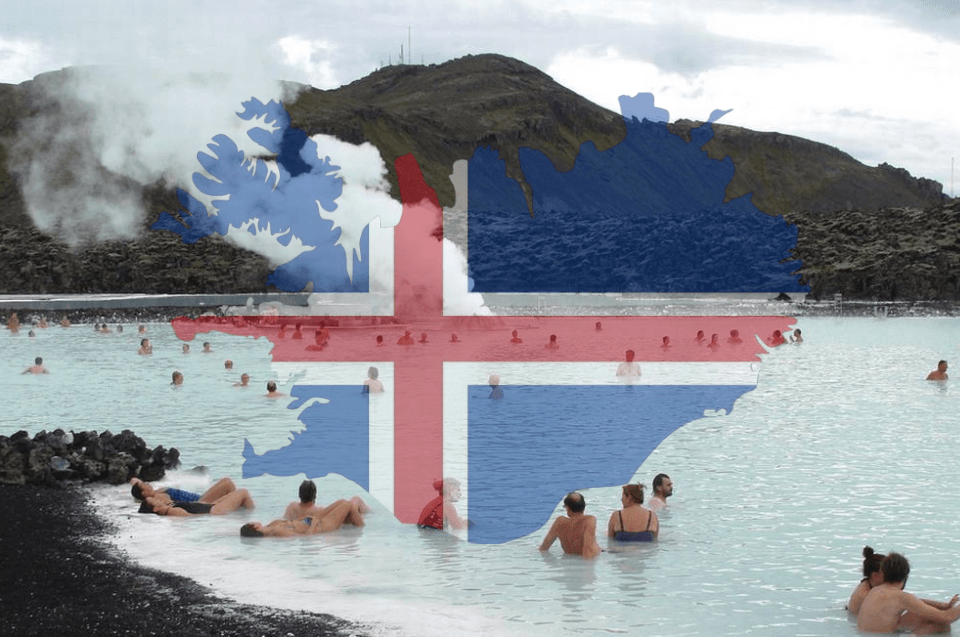
The Blue Lagoon is one of Iceland’s most iconic attractions, famous for its milky-blue geothermal water.
A well-known travel tip is to avoid getting your hair wet in the lagoon, especially if your hair is dyed, curly, or already dry.
This happens because the water contains high levels of silica and minerals, which can stick to the hair and cause:
- intense dryness
- stiffness (hair may feel “hard”)
- tangling and difficulty brushing
- breakage in fragile hair
- possible color changes in dyed hair
💡 Practical tip: tie your hair up and avoid submerging your head. Many visitors also apply conditioner before entering the water to create a protective barrier.
Blue Lagoon and sensitive skin: eczema, rosacea, and psoriasis 🧴💙
Geothermal waters in Iceland, including the Blue Lagoon, are rich in minerals such as silica and sulfur compounds. Some people report temporary skin benefits, especially for dryness and certain inflammatory conditions.
There is also scientific interest in the Blue Lagoon’s potential benefits for psoriasis, and some individuals report improvement in symptoms after controlled exposure.
However, not everyone reacts the same way. People with:
- very sensitive skin
- eczema (atopic dermatitis)
- rosacea
- open cuts or wounds
- strong skin allergies
may experience irritation, stinging, or worsening dryness after prolonged exposure.
Practical tips
- avoid staying in the water for too long
- rinse off with clean water after bathing
- moisturize your skin afterward
- avoid entering with open wounds
- if you have moderate to severe skin disease, consult a healthcare professional before your trip
📌 For most travelers, the experience is safe, but skin reactions can vary significantly.
Food and water safety in Iceland 🚰🍽️
Iceland has excellent hygiene standards.
- tap water is safe and among the cleanest in the world
- food safety regulations are strict
- the risk of traveler’s diarrhea is low
The most common issues for tourists are related to irregular eating schedules, dehydration, or alcohol consumption.
Mental health and seasonal depression (“winter blues”) 🌑
Iceland has long periods of limited daylight during winter, which may affect mood and energy levels.
Some people experience:
- fatigue
- low motivation
- sleep disturbances
- sadness or irritability
This is often referred to as seasonal affective disorder (SAD) or “winter blues.”
📌 For short-term travelers this is usually mild, but it may affect overall energy and wellbeing.
Health checklist for traveling to Iceland ✅🧳
Before traveling, consider:
- travel insurance covering emergencies and rescue
- updated routine vaccines (flu, COVID-19, tetanus, MMR)
- appropriate cold and waterproof clothing
- non-slip waterproof footwear
- basic medication kit (pain relief, fever meds, allergy meds)
- prescription documentation in English
- moisturizer and lip balm (cold climate is drying)
- power bank and flashlight for hikes
- itinerary planning for remote areas
Myths and facts
“Iceland is cold only in winter.”
Myth. Cold wind and rain can occur year-round.
“Iceland is safe, so travel insurance isn’t necessary.”
Myth. Rescue services and healthcare costs can be high for tourists.
“Tap water is safe to drink.”
Fact. Iceland has some of the cleanest tap water in the world.
“Hiking trails can be dangerous even in tourist areas.”
Fact. Many accidents occur near waterfalls and slippery cliffs.
“The Blue Lagoon can damage your hair.”
Fact. Mineral-rich water can cause significant dryness, especially in vulnerable hair.
Quick FAQ
What is Iceland’s emergency number?
112.
Is travel insurance required for Iceland?
It may be required under Schengen entry rules, depending on your nationality.
Do I need special vaccines for Iceland?
No, but routine vaccines should be updated.
Are pharmacies easy to find?
Yes in Reykjavík, but availability is limited in remote regions.
Is the Blue Lagoon safe for everyone?
Generally yes, but people with sensitive skin or open wounds should be cautious.
Can volcanic gas exposure be dangerous?
Yes, in specific conditions. People with asthma should be especially careful.
Important notice (health disclaimer)
This content is for educational purposes only and does not replace professional medical advice. In case of emergency, seek medical care immediately in the country where you are located. In Iceland, call 112 for urgent medical emergencies. Symptoms such as chest pain, breathing difficulty, confusion, high fever, severe injury, or signs of hypothermia require immediate medical attention.
References and further reading
World Health Organization (WHO). International travel and health.
European Centre for Disease Prevention and Control (ECDC). Travel health information.
Icelandic Directorate of Health. Public health information and healthcare guidance.
Icelandic Association for Search and Rescue (ICE-SAR). Travel safety and rescue information.
European Union. Emergency number 112 guidance.
NHS Fit for Travel. Iceland travel health advice.
Blue Lagoon Iceland. Official visitor information and safety guidance.