

Content covered in this post
- What cysts and lipomas are
- Why these lumps are so common
- What a lipoma is and how it forms
- What a cyst is and the most common types
- Cyst vs lipoma: practical differences
- How to recognize when a lump may be concerning
- Typical symptoms and signs of inflammation or infection
- Can cysts or lipomas turn into cancer?
- Diagnosis: physical exam, ultrasound, and biopsy
- When a lipoma should be removed
- When a cyst should be removed
- Treatment options: observation, medication, drainage, and surgery
- Recovery after removal and risk of recurrence
- Myths and facts
- Quick FAQ
- Important notice (health disclaimer)
- How VirtualCare can help
- References and further reading
What cysts and lipomas are
Finding a lump under the skin can be alarming. In most cases, these lumps are benign and not dangerous, but they can cause discomfort, become inflamed, or raise understandable concerns.
Two of the most common causes of skin or subcutaneous lumps are cysts and lipomas.
Although they may look similar, they differ in their origin, consistency, and treatment approach.
Why these lumps are so common
The human body can develop small lumps under the skin for many reasons, including:
- growth of fatty tissue
- blocked hair follicles or glands
- inflammatory reactions
- genetic predisposition
- hormonal changes
- repeated minor trauma
Most of these lumps grow slowly over months or years and remain harmless.
What a lipoma is and how it forms
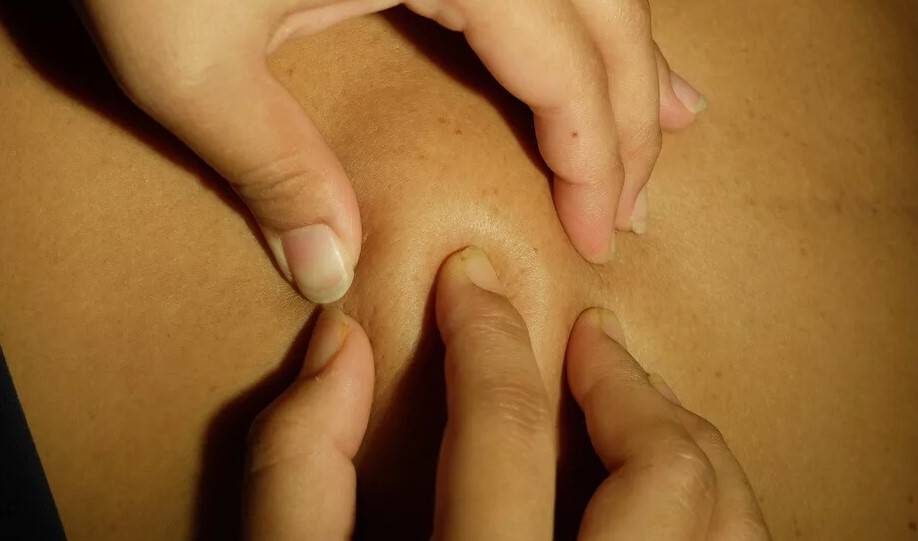
A lipoma is a benign tumor made of fat cells (adipose tissue).
It typically feels:
- soft and rubbery
- easily movable under the skin
- painless in most cases
- slow-growing
Lipomas commonly appear on:
- arms
- back
- shoulders
- thighs
- neck
Some people develop multiple lipomas over time, often due to a family tendency.
📌 In most cases, lipomas do not require treatment unless they cause symptoms or cosmetic concerns.
What a cyst is and the most common types
A cyst is a sac-like structure filled with fluid, semi-solid material, or thicker secretions.
The most common skin cyst is the epidermoid cyst, often mistakenly called a “sebaceous cyst.” These cysts usually contain keratin, a thick, whitish substance.
They may form due to:
- blocked hair follicles
- acne-related inflammation
- skin injury or irritation
- individual predisposition
Epidermoid cysts are often found on:
- face
- scalp
- back
- chest
- behind the ears
- genital area
📌 Unlike lipomas, cysts are more likely to become inflamed or infected.
Cyst vs lipoma: practical differences
Although both appear as lumps, they usually have distinct characteristics.
Lipoma
- soft and “doughy”
- often deeper under the skin
- highly movable
- slow-growing
- rarely inflamed
Cyst
- firmer and more rounded
- may have a visible central pore (small opening)
- can become red, swollen, and painful
- may grow quickly during inflammation
- may drain thick fluid with a strong odor
📌 In general, cysts tend to cause more inflammation, while lipomas tend to remain painless and stable.
How to recognize when a lump may be concerning
Most skin lumps are benign, but certain warning signs require medical evaluation.
Seek medical attention if a lump:
- grows rapidly over weeks
- feels hard and fixed in place
- causes persistent pain
- changes the overlying skin (ulcers, dark discoloration, dimpling)
- is associated with fever
- drains pus or frequent discharge
- appears along with unexplained weight loss
- occurs with swollen lymph nodes
📌 Rapid growth and firmness are two of the most important warning signs.
Typical symptoms and signs of inflammation or infection
Many cysts and lipomas cause no symptoms at all.
However, inflammation is more common with cysts.
Signs of inflammation (often in cysts)
- redness
- warmth
- tenderness
- swelling
- rapid enlargement
- thick discharge with odor
Signs of infection or abscess
- pus
- severe pain
- fever
- general fatigue or malaise
- increasing redness spreading around the area
📌 An infected cyst may require drainage and antibiotics.
Can cysts or lipomas turn into cancer?
This is one of the most common concerns.
Can a lipoma become cancer?
In most cases, no. Lipomas are benign.
There is a rare malignant tumor called liposarcoma, which may appear as a fast-growing, firmer mass. However, a liposarcoma is not usually a lipoma that “turned cancerous” but rather a different type of tumor from the start.
Warning signs may include:
- rapid growth
- firmness
- pain
- deeper location
Can a cyst become cancer?
Epidermoid cysts almost always remain benign. Malignant transformation is considered extremely rare.
📌 Still, any unusual lump should be evaluated, especially if it changes quickly.
Diagnosis: physical exam, ultrasound, and biopsy
In many cases, a healthcare professional can identify the lump through a physical exam.
When further evaluation is needed, common tests include:
Soft tissue ultrasound
This is often the first imaging test and can help distinguish:
- lipoma (fat tissue characteristics)
- cyst (fluid or semi-solid content)
- swollen lymph nodes
- other soft tissue masses
MRI scan
Used for deeper, larger, or unclear masses.
Biopsy
Recommended when malignancy cannot be ruled out or when imaging is suspicious.
📌 Ultrasound is one of the most useful and accessible tests for lumps under the skin.
When a lipoma should be removed
Lipomas are usually removed when:
- they cause cosmetic discomfort
- they grow large
- they cause pain (nerve compression)
- they interfere with movement
- diagnosis is uncertain
Treatment is typically surgical removal, often performed under local anesthesia.
When a cyst should be removed
A cyst may need removal if:
- it becomes inflamed repeatedly
- it becomes infected
- it causes pain or discomfort
- it is located in a high-friction area
- it ruptures frequently
- it causes cosmetic concern
📌 Cyst removal is best done when it is not actively infected, because surgery is easier and recurrence risk is lower.
Treatment options: observation, medication, drainage, and surgery
Treatment depends on symptoms and the type of lump.
Observation
Many small cysts and lipomas can simply be monitored.
Medications
If inflammation or infection occurs, treatment may include:
- anti-inflammatory medication
- antibiotics (when appropriate)
- abscess drainage
Surgery
Surgery is the most definitive option for:
- large lipomas
- recurrent cysts
- inflamed cysts that repeatedly return
📌 Creams and home remedies do not remove deep cysts or lipomas.
Recovery after removal and risk of recurrence
After surgical removal, typical care includes:
- keeping the wound clean and dry
- avoiding excessive strain on the area
- monitoring for infection signs
- follow-up visits for stitch removal if needed
Recurrence is possible, especially if:
- a cyst capsule is not completely removed
- surgery is performed during active infection
Lipomas may also reappear or new ones may develop elsewhere, especially in individuals with a genetic tendency.
Myths and facts
“A lipoma is cancer.”
Myth. Most lipomas are benign.
“If you squeeze a cyst, it will go away.”
Myth. Squeezing may worsen inflammation or cause infection.
“All cysts must be removed.”
Myth. Many can be monitored if they are stable and painless.
“Rapidly growing lumps should always be evaluated.”
Fact. Growth speed is an important warning sign.
“A cyst can become infected and turn into an abscess.”
Fact. This is relatively common.
Quick FAQ
How can I tell if it’s a cyst or a lipoma?
A medical exam can often determine it, but ultrasound is frequently used to confirm.
Do lipomas hurt?
Usually no, but large lipomas may cause discomfort or pain if they press on nerves.
Can a cyst burst on its own?
Yes. It may drain thick material and become inflamed again later.
Should I try to remove a cyst at home?
No. This increases infection risk and can lead to complications.
What type of doctor should I see?
A primary care doctor, dermatologist, or general surgeon can evaluate skin lumps and guide treatment.
Important notice (health disclaimer)
This content is for educational purposes only and does not replace medical evaluation. Any lump that grows quickly, becomes painful, feels hard or fixed, drains pus, causes fever, or changes the skin should be assessed by a healthcare professional as soon as possible.
How VirtualCare can help
VirtualCare offers online medical consultations to evaluate skin lumps and guide next steps. A physician can review symptoms, recommend appropriate tests such as ultrasound, and determine whether in-person evaluation by a dermatologist or surgeon is needed. If infection is suspected, proper medical guidance can help prevent complications.
References and further reading
American Academy of Dermatology (AAD). Epidermoid cysts: overview and treatment.
Mayo Clinic. Lipoma: symptoms and causes.
National Health Service (NHS). Skin lumps: guidance and when to seek medical advice.
Cleveland Clinic. Epidermoid cysts and lipomas: diagnosis and management.
MedlinePlus (U.S. National Library of Medicine). Lipoma and epidermoid cyst information.