

Topics covered in this article
- What is an aortic aneurysm?
- Why is the aorta so important?
- Abdominal and thoracic aortic aneurysm: what is the difference?
- Causes and risk factors.
- Why an aortic aneurysm can be silent.
- Symptoms and warning signs.
- Aortic rupture and dissection: why they are medical emergencies.
- Diagnosis and imaging tests.
- Who should be evaluated or screened?
- Treatment: monitoring, risk control, surgery, and endovascular repair.
- How to reduce the risk of growth and complications.
- Myths and facts.
- Quick FAQ.
- Important disclaimer.
- References and further reading.
What is an aortic aneurysm?
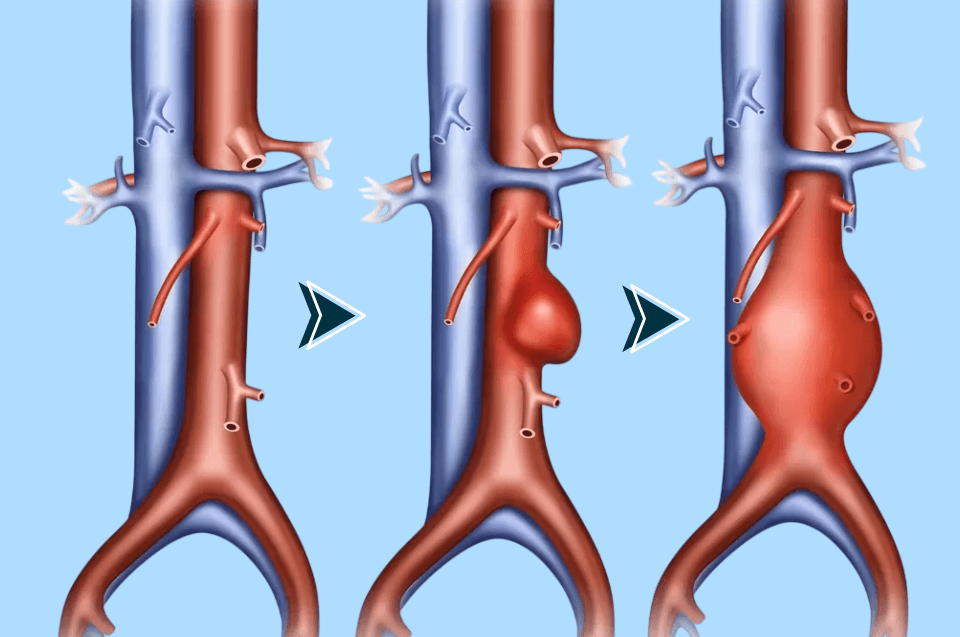
An aortic aneurysm is an abnormal enlargement or bulging of part of the aorta, the largest artery in the human body.
The aorta comes directly out of the heart and carries oxygen-rich blood to almost every part of the body. When a section of the aortic wall becomes weakened, it can gradually expand and form an aneurysm.
The main concern is that many aneurysms grow slowly and cause no symptoms in the early stages. In some cases, a person only discovers the problem during an imaging test performed for another reason.
Although an aortic aneurysm may remain silent for years, it requires medical attention because it can enlarge over time and, in severe cases, rupture or become associated with an aortic dissection.
Important: an aortic aneurysm is not a blocked artery. It is an abnormal dilation of the vessel wall, usually related to weakening of that wall.
Why is the aorta so important?
The aorta is the main pathway through which blood leaves the heart.
It divides into several segments and supplies blood to essential organs and regions of the body, including:
- The brain.
- The heart.
- The kidneys.
- The intestines.
- The spinal cord.
- The upper limbs.
- The lower limbs.
Because the aorta carries a large volume of blood under high pressure, any major complication involving this artery can be life-threatening.
When an aneurysm ruptures, bleeding is often severe and may rapidly lead to hemorrhagic shock and death.
Important: the severity of an aneurysm depends on factors such as location, size, growth rate, symptoms, and the person’s overall health.
Abdominal and thoracic aortic aneurysm: what is the difference?
An aneurysm can occur in different parts of the aorta.
Abdominal aortic aneurysm
This is the most common type.
It occurs in the part of the aorta located inside the abdomen, usually below the kidneys.
It is often associated with risk factors such as:
- Smoking.
- Older age.
- Atherosclerosis.
- High blood pressure.
- Family history.
In many cases, an abdominal aortic aneurysm is found during an ultrasound, CT scan, or another abdominal imaging test.
Thoracic aortic aneurysm
This type occurs in the part of the aorta located inside the chest.
It may involve the ascending aorta, the aortic arch, or the descending thoracic aorta.
In addition to traditional cardiovascular risk factors, thoracic aortic aneurysms may be associated with genetic conditions and abnormalities of the aortic valve.
Related conditions may include:
- Marfan syndrome.
- Loeys-Dietz syndrome.
- Bicuspid aortic valve.
- Family history of aortic aneurysm or aortic dissection.
Important: abdominal and thoracic aortic aneurysms may have different causes, risks, and treatment approaches.
Causes and risk factors
An aortic aneurysm usually develops because of progressive weakening of the arterial wall.
This weakening can be related to several factors.
Major risk factors include:
- Older age.
- Current or previous smoking.
- High blood pressure.
- Atherosclerosis.
- High cholesterol.
- Family history of aneurysm.
- Male sex, especially for abdominal aortic aneurysm.
- Genetic connective tissue disorders.
- Bicuspid aortic valve.
- Rare inflammatory or infectious diseases.
- Trauma in specific situations.
Smoking is one of the most important risk factors for abdominal aortic aneurysm.
In thoracic aortic aneurysms, genetic factors and structural abnormalities of the aorta may play a more significant role in some patients.
Important: people with a first-degree relative who had an aortic aneurysm or dissection may need specific medical evaluation.
Why an aortic aneurysm can be silent
Many aneurysms grow slowly and do not compress nearby structures in the early stages.
As a result, the person may not feel pain, shortness of breath, or any noticeable symptom.
An aneurysm may be discovered during tests performed for other reasons, such as:
- Abdominal ultrasound.
- Abdominal CT scan.
- Chest CT scan.
- Magnetic resonance imaging.
- Echocardiogram.
- Chest X-ray with indirect findings in selected cases.
This silent nature makes screening important for specific higher-risk groups.
Important: absence of symptoms does not mean absence of risk. Some aneurysms can grow without causing obvious warning signs.
Symptoms and warning signs
When an aneurysm causes symptoms, they may vary depending on its location.
Possible symptoms of abdominal aortic aneurysm
- Persistent abdominal pain.
- Back pain.
- A pulsating sensation in the abdomen.
- Deep abdominal discomfort.
- Pain that does not improve with usual measures.
Possible symptoms of thoracic aortic aneurysm
- Chest pain.
- Back pain.
- Shortness of breath.
- Persistent cough.
- Hoarseness.
- Difficulty swallowing.
These symptoms are not specific to aneurysms and may occur with many other conditions.
However, sudden, severe, or unusual pain should be evaluated urgently.
Important: an aneurysm can remain asymptomatic until a serious complication occurs.
Aortic rupture and dissection: why they are medical emergencies
The two most feared complications involving the aorta are rupture and dissection.
Aneurysm rupture
Rupture occurs when the wall of the aneurysm tears open, causing severe internal bleeding.
Possible signs include:
- Sudden and severe pain in the abdomen, chest, or back.
- Dizziness.
- Fainting.
- Paleness.
- Cold sweating.
- Extreme weakness.
- Low blood pressure.
Aortic dissection
Aortic dissection occurs when there is a tear in the inner layer of the aortic wall, allowing blood to enter between the layers of the vessel.
It can cause sudden and intense pain, sometimes described as tearing, ripping, or migrating pain.
Possible signs include:
- Severe chest pain.
- Severe back pain.
- Pain that moves to the abdomen, neck, or jaw.
- Difference in blood pressure between the arms.
- Fainting.
- Shortness of breath.
- Neurological symptoms similar to a stroke.
Important: suspected aortic rupture or dissection is a medical emergency. Immediate emergency care is required.
Diagnosis and imaging tests
Aortic aneurysms are diagnosed using imaging tests.
The choice of test depends on the suspected location, urgency, and purpose of evaluation.
Abdominal ultrasound
Ultrasound is widely used to identify and monitor abdominal aortic aneurysms.
Its advantages include:
- Good availability.
- No radiation exposure.
- Usefulness for screening.
- Ability to measure the diameter of the abdominal aorta.
CT angiography
CT angiography is one of the main tests for detailed assessment of the aorta.
It helps evaluate:
- Aneurysm size.
- Exact location.
- Extent of dilation.
- Relationship to arterial branches.
- Signs of rupture or dissection.
- Planning for surgical or endovascular treatment.
Magnetic resonance imaging
MRI may be used in specific situations, especially when avoiding radiation is important or when detailed long-term follow-up is needed.
Echocardiogram
An echocardiogram can help evaluate the aortic root, ascending aorta, and aortic valve.
It is especially useful in patients with suspected heart-related abnormalities.
Important: accurate measurement of aortic diameter is essential for deciding monitoring frequency and treatment strategy.
Who should be evaluated or screened?
Screening is not recommended for everyone.
It is usually considered in higher-risk groups, especially for abdominal aortic aneurysm.
People who may benefit from specific evaluation include:
- People with a family history of aortic aneurysm.
- Older men with a history of smoking.
- People with a known aneurysm in another artery.
- Patients with genetic conditions associated with aortic fragility.
- People with bicuspid aortic valve.
- Patients with an incidental finding of aortic dilation on previous imaging.
In many international guidelines, men aged 65 to 75 who have ever smoked are a classic group considered for abdominal aortic aneurysm screening with ultrasound.
However, the decision should take into account personal history, risk factors, and local medical guidance.
Important: anyone with a close relative who had an aortic aneurysm or dissection should inform their healthcare professional.
Treatment: monitoring, risk control, surgery, and endovascular repair
Treatment depends on several factors.
The medical team considers:
- Aneurysm location.
- Size of the dilation.
- Growth rate.
- Presence of symptoms.
- Risk of rupture.
- Patient age.
- Overall health.
- Aortic anatomy.
- Surgical risk.
Clinical monitoring
Small and asymptomatic aneurysms may be monitored with periodic imaging.
The goal is to track growth and control factors that increase the risk of complications.
Common measures include:
- Strict blood pressure control.
- Stopping smoking.
- Cholesterol management.
- Diabetes management, when present.
- Regular specialist follow-up.
- Imaging tests according to medical guidance.
Open surgery
Open surgery involves replacing the dilated segment of the aorta with a vascular graft.
It may be recommended for larger aneurysms, symptomatic aneurysms, rapidly growing aneurysms, or cases with higher risk of complications.
Endovascular repair
Endovascular repair uses a stent graft inserted through the blood vessels, often through an artery in the groin.
This technique is commonly used in selected cases of abdominal aortic aneurysm and may also be used for certain thoracic aneurysms.
Possible advantages include:
- Less invasive treatment in appropriate cases.
- Faster recovery for many patients.
- Shorter hospital stay in selected situations.
However, not every aneurysm can be treated with an endovascular approach. The anatomy of the aorta is critical in determining whether this option is suitable.
Important: the size threshold for intervention varies depending on location, growth rate, symptoms, sex, associated diseases, and anatomical features. Treatment decisions must be individualized.
How to reduce the risk of growth and complications
Not every aneurysm can be prevented, especially when genetic factors are involved.
Even so, several measures can reduce cardiovascular risk and may help lower the chance of progression.
Important measures include:
- Do not smoke.
- Control blood pressure.
- Treat high cholesterol.
- Manage diabetes.
- Practice physical activity with appropriate guidance.
- Maintain a healthy weight.
- Avoid self-medication.
- Keep regular medical follow-up.
- Follow the recommended schedule for imaging tests.
For people with a known aneurysm, intense physical activity or heavy lifting may require individualized medical advice.
This is because sudden spikes in blood pressure may be undesirable in some cases.
Important: patients should not stop exercising on their own, but they should discuss safe limits with their healthcare team.
Myths and facts
“Every aortic aneurysm causes symptoms.”
Myth.
“An aortic aneurysm can be found incidentally on imaging tests.”
Fact.
“Smoking increases the risk of abdominal aortic aneurysm.”
Fact.
“Sudden severe chest, back, or abdominal pain should be evaluated urgently.”
Fact.
“Every aneurysm requires immediate surgery.”
Myth.
“Family history can increase the risk.”
Fact.
Quick FAQ
Can an aortic aneurysm be cured?
Some aneurysms can be repaired with surgery or endovascular treatment. Others may be monitored for years, depending on size and risk.
Does an aortic aneurysm always hurt?
No. Many aneurysms are silent and are discovered during imaging tests performed for other reasons.
What is the main risk of an aneurysm?
The main risk is rupture, especially when the aneurysm grows or reaches certain sizes.
Are aortic aneurysm and aortic dissection the same thing?
No. An aneurysm is a dilation of the artery. A dissection is a separation of the layers of the aortic wall caused by blood entering between them. The two conditions can be related, but they are not the same.
Can someone with an aneurysm exercise?
It depends on the size, location, and risk of the aneurysm. Physical activity may be beneficial, but it should be guided by a healthcare professional.
Is aortic aneurysm hereditary?
In some cases, yes. Family history and certain genetic conditions can increase risk.
Can an aneurysm shrink on its own?
In general, aortic aneurysms do not disappear spontaneously. The goal of follow-up is to monitor growth and prevent complications.
Important disclaimer
This content is for educational purposes only and does not replace professional medical evaluation. Sudden and severe chest, back, or abdominal pain, fainting, shortness of breath, extreme weakness, stroke-like symptoms, low blood pressure, or suspected aortic rupture or dissection should be evaluated immediately in an emergency medical service. People with a known aneurysm, family history of aneurysm, or aortic dilation found on imaging should maintain regular medical follow-up.
References and further reading
- Society for Vascular Surgery (SVS). Clinical practice guidelines on abdominal aortic aneurysm.
- American College of Cardiology (ACC) and American Heart Association (AHA). Guideline for the Diagnosis and Management of Aortic Disease.
- European Society for Vascular Surgery (ESVS). Clinical practice guidelines on the management of abdominal aorto-iliac artery aneurysms.
- European Society of Cardiology (ESC). Guidelines on the diagnosis and treatment of aortic diseases.
- Mayo Clinic. Aortic aneurysm: symptoms, causes, and treatment.
- Cleveland Clinic. Aortic aneurysm: overview, diagnosis, and treatment.
- National Health Service (NHS). Abdominal aortic aneurysm: overview and screening information.
- Centers for Disease Control and Prevention (CDC). Aortic aneurysm information and risk factors.