
Topics covered in this article
- Why prepare before traveling to Cuba?
- Main health risks for travelers
- How the Cuban healthcare system works
- Travel insurance: why it matters
- Emergency numbers and what to do
- Hospitals and medical care for visitors
- Pharmacies and medications in Cuba
- Prescription medications: what to bring and how to prepare
- Recommended vaccines before traveling
- Relevant infectious diseases in Cuba
- Food, water, and food safety
- Climate, heat, sun exposure, hurricanes, and environmental precautions
- Beaches, diving, excursions, and specific precautions
- Mental well-being, sleep, and travel pace
- Health checklist for Cuba
- Myths and facts
- Quick FAQ
- Important disclaimer
- References and further reading
Why prepare before traveling to Cuba?
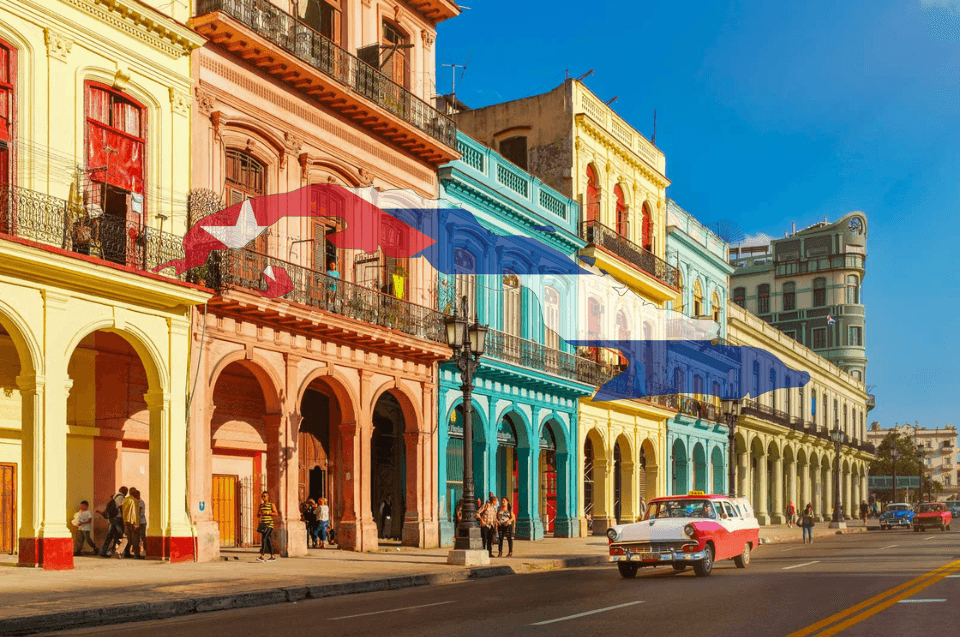
Cuba is a unique destination, known for its history, music, architecture, Caribbean culture, beaches, and cities such as Havana, Trinidad, Santiago de Cuba, Viñales, and Varadero. For many travelers, it is a memorable cultural experience, but it also requires practical planning.
From a health perspective, Cuba deserves attention for several reasons: tropical climate, heat exposure, mosquito-borne diseases, possible gastrointestinal illness, variable access to medications, and differences in how medical care may be provided to visitors.
This does not mean that Cuba is an unsafe destination. Most travelers visit without serious health problems. The key is preparation, especially for people who take daily medications, have chronic medical conditions, are pregnant, travel with children or older adults, or plan to visit areas outside major tourist routes.
Important: in Cuba, advance planning can make a major difference. Travel insurance, adequate medication supplies, medical documents, and mosquito protection can help prevent avoidable problems during the trip.
Main health risks for travelers
The most common health concerns for travelers in Cuba are usually related to heat, food, water, mosquitoes, and minor injuries during excursions.
Key points to consider include:
- Dengue and other mosquito-borne diseases.
- Gastrointestinal discomfort and traveler’s diarrhea.
- Dehydration due to heat and humidity.
- Sunburn.
- Insect bites.
- Seasonal respiratory infections.
- Falls on uneven sidewalks, stairs, beaches, and historic sites.
- Accidents during excursions, diving, hiking, or transportation.
- Difficulty finding certain specific medications.
Travelers with asthma, COPD, heart disease, diabetes, kidney disease, immunosuppression, neurological conditions, or other chronic illnesses should plan more carefully. In tropical destinations, problems such as vomiting, diarrhea, fever, or dehydration may become more serious in vulnerable people.
Important: fever during or after a trip to Cuba should be taken seriously, especially if it comes with severe body aches, rash, pain behind the eyes, bleeding, intense weakness, persistent vomiting, or rapid worsening.
How the Cuban healthcare system works
Cuba is internationally known for its public healthcare system and medical training. The country has a broad healthcare network, but access for visitors may differ from access for residents.
Foreign travelers are often directed to international clinics, specific hospitals, or medical services that commonly treat visitors. In major cities and tourist areas, care may be more organized. In smaller towns, rural areas, islands, or places farther from tourist centers, access to specialized care may be more limited.
Important points for travelers include:
- Medical care for foreign visitors may require direct payment or proof of insurance.
- Availability of some tests, medications, and medical supplies may vary.
- Clinics in tourist areas may be more accustomed to treating international visitors.
- Outside Havana and major tourist destinations, access to specialized care may be more limited.
- In serious situations, medical evacuation may be needed and can be expensive.
Important: do not assume that healthcare access will work the same way it does in your home country. Before traveling, know where to seek care, carry appropriate insurance, and keep your medical documents accessible.
Travel insurance: why it matters
Travel insurance is strongly recommended for Cuba. In addition to protection for emergencies, hospitalizations, and unexpected illness, Cuba may require proof of health insurance or medical coverage for entry, depending on current rules.
Because entry requirements can change, travelers should confirm official rules before departure.
A suitable travel insurance policy may help cover situations such as:
- Emergency medical care.
- Unexpected medical consultations.
- Hospitalization.
- Urgent diagnostic tests.
- Medications in covered situations.
- Trip changes for medical reasons, if included in the policy.
- Medical evacuation.
- Repatriation.
Before choosing a policy, check:
- The maximum medical coverage amount.
- Hospitalization coverage.
- Medical evacuation and repatriation coverage.
- 24-hour assistance in a language you can communicate in.
- Rules for pre-existing medical conditions.
- Exclusions for sports, diving, hiking, or adventure activities.
- Whether the insurer pays providers directly or requires reimbursement later.
Important: carry proof of insurance in both digital and printed form. Internet access and payment options may be less predictable than in some other destinations.
Emergency numbers and what to do
Emergency numbers commonly listed for Cuba include:
- 104: ambulance and medical emergency.
- 105: fire department.
- 106: police.
Because local procedures and phone access may vary by region, hotel, tour operator, or provider, confirm the following upon arrival:
- The local emergency number.
- The nearest hospital or clinic.
- The emergency contact for your travel insurance company.
- Your accommodation address in Spanish.
- The best way to reach urgent care if needed.
Seek immediate medical care if you develop:
- Chest pain.
- Shortness of breath.
- Fainting.
- Stroke symptoms, such as facial drooping, weakness on one side of the body, or difficulty speaking.
- Persistent high fever.
- Confusion.
- Persistent vomiting.
- Signs of dehydration.
- Bleeding.
- Severe abdominal pain.
- A severe allergic reaction.
- Major trauma, a serious fall, or a deep wound.
Important: in an emergency, do not wait for symptoms to improve on their own and do not rely only on messaging a hotel, guide, or insurer. Seek local medical care immediately.
Hospitals and medical care for visitors
In tourist destinations, hotels and local operators can often indicate clinics or medical services commonly used by visitors. In Havana and other areas with more tourism infrastructure, care for foreigners may be more accessible.
Even so, it is wise to travel with a clear plan.
Before traveling, organize:
- Your insurance company name and international emergency phone number.
- Your policy number.
- Your accommodation address.
- An emergency contact in your home country.
- A list of pre-existing medical conditions.
- A list of medications you take.
- Your allergy history.
- Digital copies of important medical tests, when relevant.
If you have a chronic medical condition, consider carrying a brief medical summary with your diagnoses, medications, doses, and allergies. If possible, having this information in Spanish or English may make care easier.
Important: areas outside major cities and tourist centers may have limited access to specialized medical care. This should be considered when planning long itineraries, internal travel, or trips with higher-risk travelers.
Pharmacies and medications in Cuba
One important issue in Cuba is variable medication availability. Even common medications may not always be easy to find in some places or during certain periods. Travelers should not assume that they will be able to buy everything they need after arrival.
Practical recommendations include:
- Bring enough prescription medications for the entire trip.
- Bring a small extra supply in case of flight delays or itinerary changes.
- Keep medications in their original packaging.
- Carry a prescription or medical letter using generic medication names.
- Carry a list of medication doses and schedules.
- Do not pack all medications in checked luggage.
- Avoid buying antibiotics, sedatives, hormones, or controlled medications without medical evaluation.
Some travelers also carry a basic first-aid kit for minor situations. This should be planned responsibly, especially for people with allergies, pregnant travelers, children, older adults, or those with chronic diseases.
Important: the goal is not self-medication. The goal is to avoid running out of essential medication during the trip.
Prescription medications: what to bring and how to prepare
If you take daily medications, organize them before traveling.
This is especially important for people who use:
- Blood pressure medications.
- Diabetes medications.
- Insulin or other injectable medications.
- Anticoagulants.
- Epilepsy medications.
- Asthma inhalers.
- Heart medications.
- Psychiatric medications.
- Benzodiazepines.
- Opioids.
- Stimulants.
- Medicinal cannabis products.
For controlled substances, injectable medications, opioids, benzodiazepines, stimulants, and other regulated substances, confirm the official rules for entering Cuba before traveling. Carry appropriate medical documentation and avoid transporting medications outside their original packaging.
It is also wise to carry a printed prescription and a photo saved on your phone. If medication requires refrigeration, such as some types of insulin, plan safe transport and confirm airline rules.
Important: never travel with controlled medications without a prescription or documentation that matches the destination country’s rules.
Recommended vaccines before traveling
Vaccine recommendations for Cuba may vary depending on age, previous immunization, medical conditions, trip duration, regions visited, type of accommodation, and planned activities.
Before traveling, review routine vaccines. Vaccines that may be considered include:
- Influenza.
- COVID-19.
- Measles, mumps, and rubella (MMR).
- Tetanus, diphtheria, and pertussis.
- Hepatitis A.
- Hepatitis B.
- Typhoid, for travelers with higher food or water exposure risk or longer itineraries.
- Rabies, in specific situations with higher animal exposure, rural travel, or outdoor activities.
Hepatitis A may be relevant for international travel because it can be transmitted through contaminated food or water. Hepatitis B may be important for travelers who could need medical or dental care, tattoos, piercings, or any situation involving exposure to blood or body fluids.
Yellow fever is not generally considered a typical transmission risk in Cuba, but certificate requirements may depend on the traveler’s country of origin, recent transit, and current regulations. Travelers arriving from or transiting through countries with yellow fever risk should confirm official requirements before departure.
Important: do not wait until the week of travel to review vaccines. Some vaccines need time to produce adequate protection or require more than one dose.
Relevant infectious diseases in Cuba
As a tropical Caribbean country, Cuba may have mosquito-borne diseases and infections related to food, water, and animal exposure.
Dengue
Dengue is one of the main travel health concerns in Cuba and in several Caribbean destinations. Risk can vary by season, rainfall, region, and viral circulation.
Prevention measures include:
- Use an appropriate insect repellent.
- Reapply repellent according to the product instructions.
- Wear clothing that covers arms and legs when possible.
- Choose accommodation with screens, air conditioning, or good sealing when available.
- Avoid standing water around accommodation areas.
- Be extra careful around dawn and late afternoon, although mosquitoes may bite at other times as well.
Fever, body aches, pain behind the eyes, rash, nausea, vomiting, or bleeding during or after travel should prompt medical evaluation.
Important: if dengue is suspected, avoid taking anti-inflammatory medications on your own and seek medical advice.
Zika, chikungunya, and other mosquito-borne viruses
Zika and chikungunya may also circulate in tropical and Caribbean regions. Risk changes over time, so travelers should check current official alerts before departure.
Prevention is similar to dengue prevention, with a focus on avoiding mosquito bites. Pregnant travelers, people trying to conceive, and partners of pregnant people should pay special attention to updated guidance on Zika, because infection during pregnancy can have important consequences.
Alerts about other insect-borne viruses, such as Oropouche virus, may also occur in countries in the region. Because the situation can change quickly, travelers should check updated recommendations before departure.
Malaria
Cuba is not generally treated as a routine malaria-risk destination in international travel guidance. Even so, travel health recommendations should always be checked with official sources before departure, especially if epidemiological conditions change.
Rabies and animal exposure
Avoid contact with dogs, cats, bats, and unknown animals. Bites, scratches, or saliva exposure to mucous membranes or broken skin should be assessed promptly, because specific post-exposure care may be needed.
Do not feed stray animals and do not touch bats, even if they appear sick or motionless.
Important: after an animal bite or scratch, wash the area with soap and water for several minutes and seek medical care.
Food, water, and food safety
Cuban cuisine is part of the travel experience, but basic precautions can reduce the risk of traveler’s diarrhea and gastrointestinal discomfort.
Practical recommendations include:
- Prefer bottled or treated water.
- Avoid ice if you are unsure about the water source.
- Choose foods that are well cooked and served hot.
- Be careful with raw foods, raw seafood, or food that may have been poorly stored.
- Avoid dairy products from uncertain sources.
- Wash your hands before meals.
- Use alcohol-based hand sanitizer when soap and water are not available.
- Avoid excessive food and alcohol intake during the first days of the trip.
For mild diarrhea, hydration is essential. Children, older adults, pregnant travelers, and people with chronic medical conditions need extra attention, because dehydration can develop more quickly.
Seek medical care if there is:
- Blood in the stool.
- High fever.
- Persistent vomiting.
- Signs of dehydration.
- Severe abdominal pain.
- Prolonged diarrhea.
Important: antibiotics should not be used automatically for every episode of diarrhea. Treatment depends on the clinical situation.
Climate, heat, sun exposure, hurricanes, and environmental precautions
Cuba has a tropical climate, with heat, humidity, and strong sun exposure during much of the year. This can especially affect children, older adults, people with cardiovascular disease, people with kidney disease, and travelers doing long outdoor activities.
Heat precautions include:
- Drink water regularly.
- Avoid prolonged sun exposure during the hottest hours.
- Use sunscreen.
- Wear a hat, cap, or sun-protective clothing.
- Take breaks in shaded or ventilated places.
- Avoid excessive alcohol intake on very hot days.
- Watch for dizziness, weakness, confusion, nausea, or very hot skin.
The Caribbean hurricane season usually runs from June to November, although weather patterns vary. During this period, it is wise to follow official weather alerts, obey local guidance, and avoid risky travel during severe weather.
During heavy rain, strong winds, or flooding, avoid flooded areas, do not cross moving water, and follow local authority recommendations.
Important: intense heat and dehydration can turn an otherwise simple itinerary into a health problem, especially when combined with long walks, alcohol, poor sleep, and sun exposure.
Beaches, diving, excursions, and specific precautions
Beaches such as Varadero, Cayo Coco, Cayo Santa María, and other coastal areas are among Cuba’s major attractions. The Caribbean Sea is a highlight of the trip, but it also requires basic precautions.
For beaches and water activities:
- Use sunscreen and reapply it after swimming.
- Avoid long sun exposure in the middle of the day.
- Respect flags, currents, and lifeguard instructions.
- Use appropriate footwear in areas with rocks, coral, or sea urchins.
- Avoid touching marine animals.
- Be careful with coral cuts, which can become infected.
- Do not dive into unknown or shallow water.
- Avoid swimming after drinking alcohol.
For hiking, historic cities, and rural excursions:
- Wear comfortable footwear, preferably closed shoes when needed.
- Carry water.
- Protect yourself from the sun.
- Use insect repellent.
- Plan transportation in advance.
- Be careful with uneven sidewalks, stairs, and old streets.
Important: on islands, beaches, and more remote routes, access to medical care may be limited. Consider this before choosing higher-risk activities.
Mental well-being, sleep, and travel pace
Travel can be enjoyable, but it can also be tiring. In Cuba, transportation, heat, changes in routine, variable internet access, and cultural differences may require adjustment.
To keep a healthier travel rhythm:
- Avoid making the itinerary too packed.
- Schedule time for rest.
- Sleep enough before long excursions.
- Stay well hydrated, especially if drinking alcohol.
- Keep offline copies of important addresses, reservations, and contacts.
- Bring enough mental health medications if you use them regularly.
People with anxiety disorders, depression, bipolar disorder, epilepsy, severe insomnia, or other conditions that depend on regular medication should plan ahead and avoid treatment interruption.
Important: rest is also part of travel health planning.
Health checklist for Cuba
- Travel insurance with adequate medical coverage.
- Printed and digital proof of insurance.
- Routine vaccines up to date.
- Pre-travel medical advice, especially for chronic illness, pregnancy, immunosuppression, older age, or travel with children.
- Enough prescription medications for the full trip.
- Medications kept in original packaging.
- Prescription or medical letter using generic medication names.
- Documentation for controlled substances, when applicable.
- List of allergies, medical conditions, and medications.
- Appropriate insect repellent.
- Sunscreen.
- Sunglasses and hat or cap.
- Alcohol-based hand sanitizer.
- A basic first-aid kit planned responsibly.
- Offline copies of documents, insurance details, reservations, and emergency contacts.
- Your accommodation address in Spanish.
- Updated confirmation of entry rules, vaccine requirements, insurance requirements, and health alerts.
Myths and facts
“Cuba has well-known doctors, so travel insurance is unnecessary.”
Myth.
“Medical care for tourists may require payment or proof of insurance.”
Fact.
“Dengue can be a risk in Cuba.”
Fact.
“Repellent is only necessary in forest areas.”
Myth.
“Some medications may be difficult to find in certain places or periods.”
Fact.
“Food and water require no precautions in tourist areas.”
Myth.
“Fever during or after tropical travel should be evaluated carefully.”
Fact.
Quick FAQ
Do I need travel insurance for Cuba?
It is strongly recommended and may be required depending on current entry rules. Confirm official requirements before departure.
Is dengue a risk in Cuba?
Yes, dengue may occur in Cuba and other Caribbean destinations. Use insect repellent, protective clothing, and mosquito-bite prevention measures.
Can I drink tap water in Cuba?
For travelers, it is usually safer to prefer bottled or treated water, especially to reduce the risk of gastrointestinal illness.
Is it easy to buy medications in Cuba?
Not always. Medication availability can vary. Bring enough prescription medications, in original packaging, with appropriate documentation.
Do I need a yellow fever vaccine for Cuba?
Cuba is not generally considered a yellow fever transmission area, but certificate requirements may depend on country of origin, transit, and current rules. Confirm official requirements before traveling.
What should I do if I develop a fever in Cuba?
Seek medical care, especially if you have severe body aches, rash, bleeding, persistent vomiting, intense weakness, dehydration, or rapid worsening.
Is Cuba safe for children or older travelers?
It can be, with proper planning. Travel insurance, medication organization, hydration, sun protection, mosquito precautions, and a realistic itinerary are especially important.
Important disclaimer
This content is educational and does not replace individualized medical advice. Entry rules, insurance requirements, vaccine recommendations, medication regulations, health alerts, infectious disease circulation, and emergency numbers can change. Before traveling to Cuba, confirm information with official sources, your airline, travel insurance provider, embassy or consulate, and recognized public health authorities. If you develop severe symptoms during the trip, such as shortness of breath, chest pain, fainting, persistent high fever, bleeding, confusion, persistent vomiting, dehydration, or rapid worsening, seek local medical care immediately.
References and further reading
- World Health Organization (WHO). International Travel and Health.
- Centers for Disease Control and Prevention (CDC). Travelers’ Health: Cuba.
- National Health Service (NHS). Fit for Travel: Cuba.
- Pan American Health Organization (PAHO). Regional health information and mosquito-borne disease updates.
- European Centre for Disease Prevention and Control (ECDC). Travel health and communicable disease resources.
- Ministry of Public Health of Cuba. Official public health information.
- Official embassy, consular, and immigration resources for updated entry, insurance, and medication rules.