Content covered in this post
Why you should prepare for Norway
Common health issues in Norway
Main health risks for travelers
Do you need travel insurance for Norway?
How the Norwegian healthcare system works (in practice)
What to do in an emergency (important phone numbers)
Pharmacies in Norway: what travelers should know
Recommended vaccines before traveling
Bringing medications into Norway: what is allowed
Winter safety: hypothermia, icy roads, and cold exposure
Food and water safety in Norway
Health checklist for traveling to Norway
Myths and facts
Quick FAQ
Important notice (health disclaimer)
How VirtualCare can help
References and further reading
Why you should prepare for Norway 🇳🇴❄️
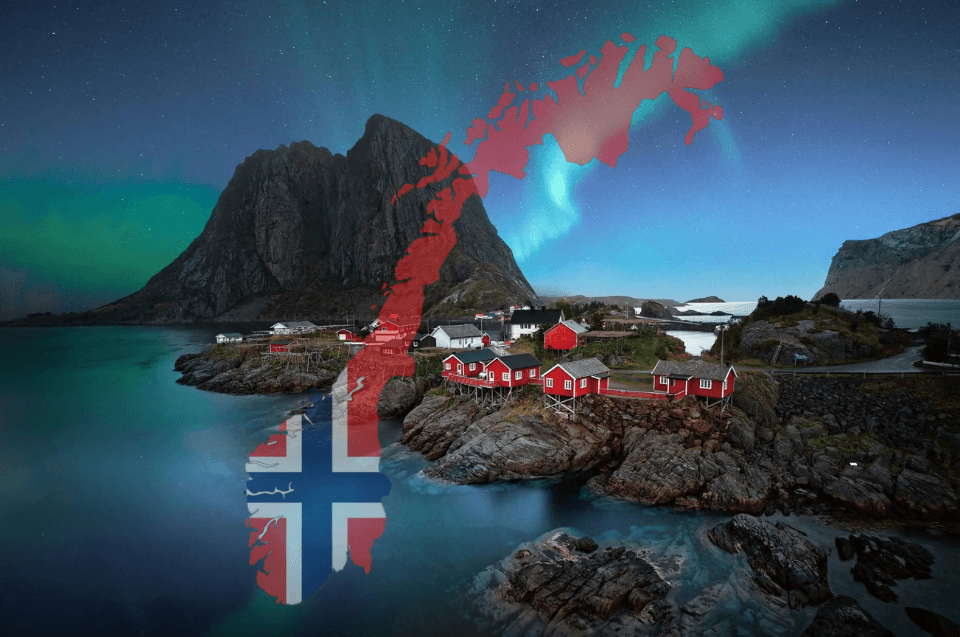
Norway is one of the safest and most organized travel destinations in the world. It is famous for breathtaking fjords, scenic hikes, Northern Lights experiences, winter sports, and modern cities such as Oslo, Bergen, and Tromsø.
However, Norway’s climate—especially during autumn and winter—can be harsh, and outdoor activities are a major part of the travel experience. For this reason, planning ahead from a health and safety perspective is essential.
Even though Norway offers high-quality healthcare, medical services can be expensive for visitors without adequate travel insurance.
Common health issues in Norway 🩺
Norway has a low burden of tropical and foodborne diseases, but travelers may still face common health problems such as:
seasonal respiratory infections (cold and flu), especially in winter
influenza and COVID-19 outbreaks during peak seasons
asthma flare-ups triggered by cold air
skin dryness and irritation due to cold and wind exposure
musculoskeletal injuries from hiking, skiing, or long walks
accidents caused by icy streets and slippery trails
seasonal affective disorder (SAD) during long periods of darkness
In Norway, health risks are often linked to climate and outdoor activities, rather than infectious disease outbreaks.
Main health risks for travelers 🌡️🧳
Most travel-related health problems in Norway involve environmental exposure and accidents.
1. Hypothermia and cold exposure
Even at temperatures that seem manageable, wind and humidity can significantly increase heat loss.
2. Slips and falls on ice
Icy sidewalks and roads are very common in winter. Falls are one of the most frequent causes of injury among visitors.
3. Hiking and adventure-related accidents
Norway is famous for hiking destinations such as Preikestolen (Pulpit Rock) and Trolltunga, which can be physically demanding and potentially dangerous without preparation.
4. Dehydration
Cold weather reduces thirst sensation, but the body still loses fluids.
5. Worsening of chronic conditions
Conditions like hypertension, asthma, diabetes, and circulation problems may become harder to manage in cold climates and during travel routine changes.
Do you need travel insurance for Norway? 💳
Yes—travel insurance is strongly recommended.
Norway is part of the Schengen Area, and many travelers are required to show proof of travel insurance with a minimum medical coverage of €30,000, depending on nationality and visa requirements.
Even in a country with excellent public healthcare, treatment can be costly for tourists, especially if you need:
ambulance transport
emergency room care
diagnostic imaging (X-rays, CT scans)
hospital admission
specialist consultations
A good travel insurance plan should include:
emergency medical coverage
hospital care
medical evacuation and repatriation
coverage for hiking, skiing, or winter sports (very important)
⚠️ Some insurance policies exclude skiing or adventure tourism unless specifically included.
How the Norwegian healthcare system works (in practice) 🏥🇳🇴
Norway has one of the best healthcare systems in the world, built around a strong public sector and highly trained medical professionals.
However, it is important to understand that:
👉 The system is primarily designed for residents.
For residents
People legally living in Norway are usually registered with a general practitioner (GP) and have structured access to healthcare services.
For tourists
Visitors can receive medical care, but:
costs may apply
non-urgent care may involve waiting times
access to primary care appointments may vary depending on location
Emergency care is efficient, but mild symptoms may not receive immediate priority, especially during busy winter periods.
What to do in an emergency (important phone numbers) 🚑
Norway has fast and reliable emergency response services.
📞 Key emergency numbers:
113 → medical emergency (ambulance)
112 → police
110 → fire department
Seek urgent medical help if you experience:
chest pain
severe shortness of breath
fainting
confusion or altered consciousness
suspected stroke symptoms
serious injuries or fractures
signs of severe hypothermia
severe allergic reactions (anaphylaxis)
Pharmacies in Norway: what travelers should know 💊
Pharmacies in Norway (“Apotek”) are well regulated and professional, but the medication system may feel different compared to other countries.
Important points:
many medicines require a prescription
antibiotics are strictly controlled
some painkillers and anti-inflammatory medications may be limited in strength or packaging
prices can be high for non-residents
Because access to certain medicines may not be as straightforward as in some countries, it is wise to bring basic supplies for personal use.
Recommended vaccines before traveling 💉
Norway does not usually require specific vaccines for entry, but travelers should ensure their routine immunizations are up to date.
Recommended vaccines include:
seasonal influenza vaccine
COVID-19 boosters (if applicable)
MMR (measles, mumps, rubella)
tetanus and diphtheria booster (Td/Tdap)
hepatitis A (especially for frequent travelers)
hepatitis B (depending on risk factors)
Norway has high sanitation standards, but keeping your vaccines updated is always a smart travel precaution.
Bringing medications into Norway: what is allowed ✈️❌💊
In general, travelers can bring personal medications into Norway, but controlled substances are regulated.
Best practices include:
keep medicines in their original packaging
bring a prescription or doctor’s letter (preferably in English)
carry only quantities consistent with personal use during your trip
Medications that may require extra caution include:
benzodiazepines and sedatives
opioid pain medications
stimulant medications
certain psychiatric medications
If you are traveling with controlled medication, having documentation is essential to avoid problems at customs.
Winter safety: hypothermia, icy roads, and cold exposure 🧊
Cold weather is one of the most important health considerations in Norway.
Early warning signs of hypothermia include:
intense shivering
confusion
slurred speech
extreme tiredness
cold, pale skin
Essential safety tips:
dress in layers (thermal base layer + insulating layer + windproof outer layer)
protect hands, ears, and feet
avoid long outdoor exposure without warm breaks
avoid alcohol before prolonged cold exposure
consider anti-slip shoe spikes during icy conditions
Falls and cold-related injuries are among the most common reasons travelers seek medical attention during winter.
Food and water safety in Norway 🚰🍽️
Norway has excellent food safety standards.
tap water is safe to drink
foodborne illness risk is low
sanitation is high in restaurants and supermarkets
The biggest concerns are usually related to dehydration, excessive alcohol intake, or cold exposure—not contaminated food or water.
Health checklist for traveling to Norway ✅🧳
Before your trip, consider the following checklist:
travel insurance that meets Schengen requirements
coverage for skiing, hiking, and winter activities
updated routine vaccines (flu, tetanus, MMR, COVID-19)
basic travel health kit (pain reliever, fever medication, antihistamine, motion sickness tablets)
moisturizer and lip balm (cold air can be extremely drying)
proper winter clothing (thermal layers, gloves, hat)
prescription documentation for long-term medications
emergency numbers saved on your phone
a plan for chronic conditions (extra medication supply and prescriptions)
Myths and facts
“Norway is so safe that travel insurance is unnecessary.”
Myth. The country is safe, but healthcare costs can be high for tourists.
“There are no health risks in Norway.”
Myth. Infectious disease risk is low, but cold exposure and accidents are common.
“Tap water is safe to drink in Norway.”
Fact. It is among the safest in the world.
“Slipping on ice is a real risk for travelers.”
Fact. Falls are common during winter months.
Quick FAQ
Do I need a yellow fever vaccine to enter Norway?
Usually not. Requirements depend on your travel history and where you are arriving from.
Can I buy antibiotics without a prescription in Norway?
No. Antibiotics require a medical prescription.
Is emergency care reliable in Norway?
Yes. Emergency services are efficient and well structured.
Can I bring my own medication from home?
Yes, for personal use. For controlled substances, bring documentation in English.
What is the ambulance number in Norway?
113.
Important notice (health disclaimer)
This content is for educational purposes only and does not replace professional medical advice. If you experience severe symptoms such as chest pain, breathing difficulty, confusion, high fever, signs of stroke, serious injury, or hypothermia, seek emergency medical care immediately. In Norway, call 113 for medical emergencies.
How VirtualCare can help
VirtualCare offers online medical consultations for travelers, including pre-travel guidance, vaccine recommendations, chronic condition planning, prescription support, and personalized travel health kits to reduce risks during your trip.
References and further reading
World Health Organization (WHO). International travel and health.
European Centre for Disease Prevention and Control (ECDC). Travel-related health information.
Norwegian Directorate of Health (Helsedirektoratet). Healthcare system overview.
NHS Fit for Travel. Norway travel advice.