

Content covered in this post
Why you should prepare for Sweden
Main health risks for travelers
Common health issues in Sweden
Do you need travel insurance for Sweden?
How the Swedish healthcare system works (in practice)
Emergencies: what to do and important phone numbers
Pharmacies and medications in Sweden
Recommended vaccines before traveling
Cold weather safety: hypothermia and icy roads
Food and water safety in Sweden
Health checklist for traveling to Sweden
Myths and facts
Quick FAQ
Important notice (health disclaimer)
References and further reading
Why you should prepare for Sweden 🇸🇪
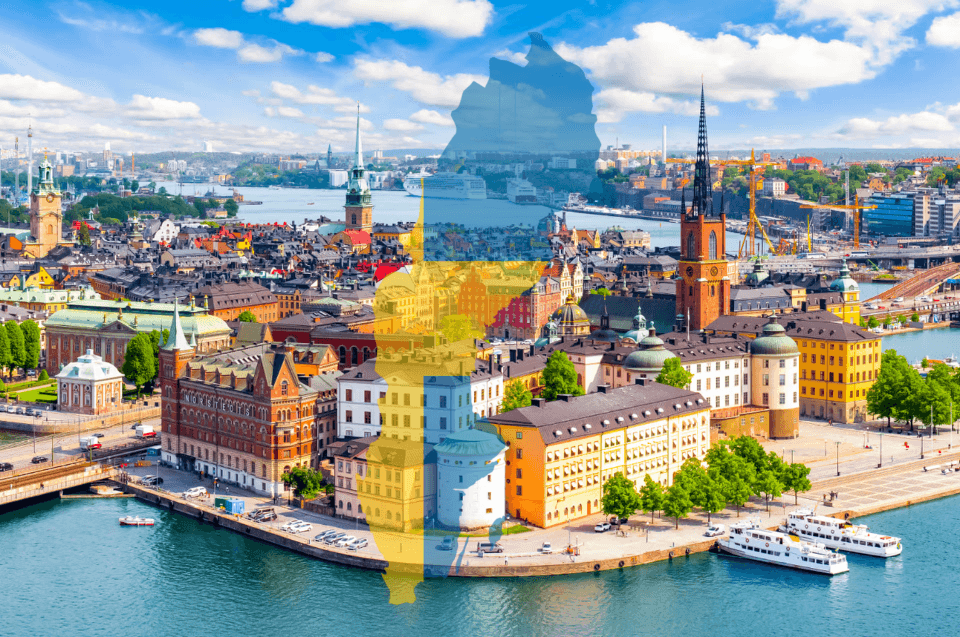
Sweden is considered one of the safest and most well-organized countries in the world. It is known for modern cities like Stockholm, Gothenburg, and Malmö, as well as its stunning landscapes, forests, lakes, and winter experiences.
Even though Sweden has excellent infrastructure and high living standards, travelers should still plan ahead for health-related issues, especially those linked to cold weather, outdoor activities, and the high cost of medical care for visitors.
Good preparation helps prevent avoidable emergencies and ensures a smoother trip.
Main health risks for travelers 🌡️🧳
Sweden does not pose the same health risks as tropical destinations, but travelers may still face common issues.
The main risks include:
1. Respiratory infections
Colds and seasonal flu are common, especially during autumn and winter, when people spend more time indoors.
2. Slips and falls on ice
During winter, sidewalks and streets can become extremely slippery, increasing the risk of sprains, fractures, and head injuries.
3. Hypothermia and cold exposure
Long outdoor walks, hiking, or sightseeing in freezing temperatures can lead to dangerous cold exposure, especially with wind and moisture.
4. Dehydration in cold weather
Cold climates reduce thirst sensation, but fluid loss still occurs through breathing and physical activity.
5. Muscle and joint injuries
Winter sports, long walks, and hiking can cause strains and overuse injuries.
Common health issues in Sweden 🩺
Sweden has a strong public health system and low rates of many infectious diseases. However, the most common health concerns include:
seasonal flu and colds
COVID-19 and influenza outbreaks during peak seasons
urinary tract infections
allergies (especially in spring and summer)
skin irritation and dryness due to cold air
seasonal affective disorder (SAD) during months with limited daylight
injuries related to snow, ice, or outdoor sports
Overall, the greatest risks for travelers tend to be environmental rather than infectious.
Do you need travel insurance for Sweden? 💳
Yes, travel insurance is highly recommended.
Sweden is part of the Schengen Area, and depending on your nationality and visa status, travel insurance may be required for entry. Many travelers need coverage of at least €30,000 for medical emergencies.
Even in a country with excellent healthcare, medical costs can be high for visitors without coverage.
A good travel insurance plan should include:
emergency medical treatment
hospital care and diagnostic tests
ambulance transport
medical evacuation and repatriation
coverage for skiing, hiking, or winter activities (if relevant)
⚠️ Many insurance plans exclude winter sports unless you purchase additional coverage.
How the Swedish healthcare system works (in practice) 🏥🇸🇪
Sweden has one of the most respected healthcare systems globally, with high-quality hospitals and well-trained professionals.
However, travelers should keep in mind:
👉 The Swedish healthcare system is primarily designed for residents.
For residents
Residents have structured access to primary care clinics and specialist referrals through the public system.
For tourists
Visitors can access healthcare services, but:
they may face high out-of-pocket costs
waiting times may be longer for non-urgent issues
private healthcare may be available but can be expensive
Emergency care is reliable and efficient, but mild symptoms may not receive immediate attention.
Emergencies: what to do and important phone numbers 🚑
Sweden has a well-organized emergency response system.
📞 Emergency number:
112 → ambulance, police, and fire services
This number works across the European Union.
Seek urgent medical help if you experience:
severe shortness of breath
chest pain
stroke symptoms (weakness on one side, slurred speech, facial drooping)
loss of consciousness
severe allergic reactions
high fever with rapid deterioration
signs of hypothermia
Pharmacies and medications in Sweden 💊
Pharmacies in Sweden are called Apotek and are well regulated.
What travelers should know:
many medications require a prescription
antibiotics are strictly controlled
controlled substances (such as sedatives or opioid painkillers) require proper documentation
prices can be high for visitors
It is recommended to bring basic medications for personal use, always in original packaging.
Recommended vaccines before traveling 💉
Sweden generally does not require special vaccines for entry, but travelers should ensure routine vaccinations are up to date.
Recommended vaccines include:
seasonal influenza vaccine
COVID-19 boosters (when appropriate)
MMR (measles, mumps, rubella)
tetanus and diphtheria booster (Td/Tdap)
hepatitis A (especially for frequent travelers)
hepatitis B (depending on risk profile)
Cold weather safety: hypothermia and icy roads 🧊
Cold exposure is one of the main health risks in Sweden, especially in northern regions.
Warning signs of hypothermia:
intense shivering
confusion
slurred speech
extreme fatigue or drowsiness
numb hands and feet
Essential safety tips:
dress in layers (thermal base + insulating middle + windproof outer layer)
wear gloves, a warm hat, and waterproof shoes
avoid long outdoor exposure without warm breaks
use anti-slip shoe grips during icy weather
be cautious with alcohol, which increases heat loss and impairs judgment
Falls are common in winter, and even short walks can become risky without proper footwear.
Food and water safety in Sweden 🚰🍽️
Sweden has very high sanitation standards.
tap water is safe to drink
foodborne illness risk is low
restaurants and supermarkets follow strict hygiene regulations
For most travelers, the biggest concerns are cold exposure, dehydration, and injuries—not contaminated food or water.
Health checklist for traveling to Sweden ✅🧳
Before your trip, consider this checklist:
travel insurance valid for the Schengen Area
extra coverage for skiing or winter activities (if needed)
updated routine vaccines (flu, tetanus, MMR, COVID-19)
basic travel kit (pain reliever, fever medication, antihistamine, motion sickness tablets)
moisturizer and lip balm for dry winter air
thermal clothing and waterproof shoes
prescriptions or medical letters for long-term medications
emergency number saved on your phone (112)
plan for chronic conditions (extra medication supply)
Myths and facts
“Sweden is so safe that travel insurance is unnecessary.”
Myth. The country is safe, but medical care can be expensive for tourists.
“There are no health risks in Sweden.”
Myth. Infectious risks are low, but cold exposure and falls are common.
“Tap water in Sweden is safe.”
Fact. It is among the safest in the world.
“Winter ice makes falls a frequent travel injury.”
Fact. Slippery conditions are a major cause of injuries.
Quick FAQ
Does Sweden require travel insurance to enter?
In many cases, yes (Schengen requirements). Even when not mandatory, it is strongly recommended.
Can I buy antibiotics without a prescription in Sweden?
No. Antibiotics require a prescription.
What is the ambulance number in Sweden?
112.
Do I need any specific vaccines before traveling?
Usually no, but routine vaccines should be updated.
Can I bring my medications into Sweden?
Yes, for personal use. For controlled medications, bring prescriptions and documentation in English.
Important notice (health disclaimer)
This content is for educational purposes only and does not replace professional medical advice. If you experience severe symptoms such as chest pain, breathing difficulty, confusion, high fever, serious injury, or signs of hypothermia, seek emergency medical care immediately. In Sweden, call 112 for emergencies.
References and further reading
World Health Organization (WHO). International travel and health.
European Centre for Disease Prevention and Control (ECDC). Travel health information.
1177 Vårdguiden. Swedish healthcare information for patients and visitors.
NHS Fit for Travel. Sweden travel health advice.
European Union. Emergency number 112 guidance.