

Topics covered in this article
- What is hepatitis C?
- How does the virus affect the liver?
- Acute and chronic hepatitis C
- How does transmission occur?
- Situations that increase the risk of infection
- What does not transmit hepatitis C?
- Can hepatitis C be transmitted through sex?
- Pregnancy and transmission to the baby
- Symptoms of hepatitis C
- Why can hepatitis C remain silent?
- Who should get tested?
- Diagnosis and tests
- Anti-HCV and viral load: what is the difference?
- How is liver damage assessed?
- Treatment of hepatitis C
- Can hepatitis C be cured?
- Can a person get hepatitis C again?
- Possible complications
- Hepatitis C and liver cancer
- Diet, alcohol, and liver care
- How to prevent hepatitis C
- Is there a vaccine for hepatitis C?
- Differences from hepatitis A and B
- Myths and facts
- Quick FAQ
- Important disclaimer
- References and further reading
What is hepatitis C?
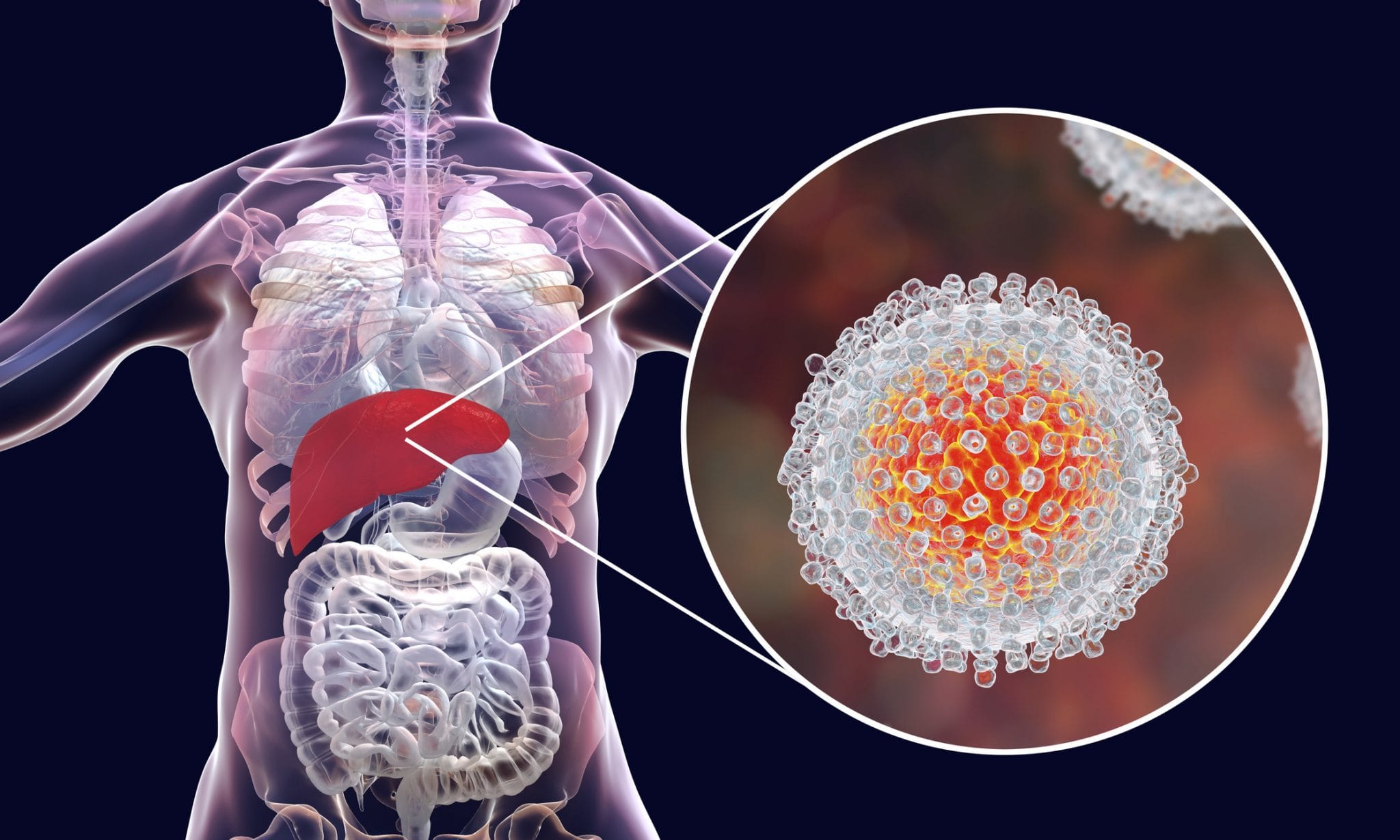
Hepatitis C is an infection caused by the hepatitis C virus, also known as HCV.
The virus mainly affects the liver and can cause either acute or persistent inflammation.
In some people, the immune system clears the virus during the first several months after infection. In many others, the virus remains in the body and the infection becomes chronic.
Chronic hepatitis C can progress slowly over years or decades, causing gradual scarring of the liver.
Without diagnosis and treatment, some people may develop:
- Liver fibrosis.
- Cirrhosis.
- Liver failure.
- Liver cancer.
Hepatitis C is often silent. Many people live with the virus for years without symptoms and only discover the infection during routine testing, blood donation screening, or investigation of abnormal liver enzyme levels.
Important: hepatitis C can now be cured in the great majority of cases with specific antiviral medicines.
How does the virus affect the liver?
The hepatitis C virus infects liver cells called hepatocytes.
The presence of the virus and the immune system’s response can cause inflammation in liver tissue.
When inflammation continues for many years, the liver repeatedly tries to repair the damaged areas.
This healing process can produce scar tissue known as fibrosis.
As fibrosis progresses, the structure of the liver may gradually become distorted.
When scarring becomes extensive and alters the organization of the organ, the condition is called cirrhosis.
Cirrhosis can impair important liver functions, including:
- Producing proteins.
- Supporting normal blood clotting.
- Processing medicines and other substances.
- Producing and releasing bile.
- Storing nutrients.
- Removing toxins from the blood.
The speed of progression varies from person to person.
Alcohol use, older age, HIV or hepatitis B coinfection, obesity, diabetes, and fatty liver disease may accelerate liver damage.
Acute and chronic hepatitis C
Hepatitis C may be classified as acute or chronic.
Acute hepatitis C
The acute phase refers to the first months after infection.
Many people have no symptoms during this stage.
When symptoms do occur, they may include fatigue, nausea, abdominal discomfort, dark urine, pale stools, and yellowing of the skin or eyes.
Some people clear the virus naturally during the acute phase.
However, it is not possible to reliably predict who will clear the infection without treatment.
Chronic hepatitis C
The infection is considered chronic when the virus remains in the body.
It may remain silent for many years.
Even without symptoms, inflammation and gradual liver fibrosis may continue.
Chronic hepatitis C requires medical evaluation and is generally treated with antiviral medication.
Important: feeling well does not mean the virus is not causing liver damage.
How does transmission occur?
Hepatitis C is transmitted mainly when blood from an infected person enters the bloodstream of another person.
Main routes of transmission include:
- Sharing needles or syringes.
- Sharing equipment used to inject drugs.
- Use of improperly sterilized equipment during medical, dental, cosmetic, or traditional procedures.
- Tattooing or piercing with contaminated equipment.
- Needlestick injuries among healthcare workers.
- Blood transfusions or organ transplants performed before widespread hepatitis C screening was introduced.
- Sharing personal items that may contain small amounts of blood.
- Transmission from an infected pregnant person to the baby.
- Sexual transmission in certain situations.
The amount of blood needed for transmission may be very small and may not be visible.
For this reason, objects that appear clean may still present a risk if they have been contaminated with infected blood.
Situations that increase the risk of infection
Certain situations are associated with a higher risk of exposure to hepatitis C.
These include:
- Current or previous injection drug use.
- Sharing needles, syringes, filters, containers, or other drug preparation equipment.
- Procedures involving needles or cutting instruments without proper sterilization.
- Tattoos or piercings performed in unregulated or unsafe settings.
- Long-term hemodialysis.
- Receiving blood or an organ transplant before systematic hepatitis C screening became available in that country.
- Occupational exposure to blood.
- Sharing razors, nail clippers, manicure tools, or toothbrushes.
- Living with HIV.
- Being born to a mother with hepatitis C.
- Living or staying in settings with increased risk of blood exposure, including some correctional or institutional environments.
A person may also have been exposed in the past without remembering a specific event.
For this reason, the absence of an obvious risk factor does not completely rule out infection.
What does not transmit hepatitis C?
Hepatitis C is not usually spread through everyday social contact.
The virus is not transmitted by:
- Hugging.
- Shaking hands.
- Social kissing.
- Coughing or sneezing.
- Sharing plates or cutlery.
- Using the same bathroom.
- Food or water.
- Breastfeeding in most situations.
- Casual contact at work or school.
There is no need to separate household utensils or avoid normal social contact with someone who has hepatitis C.
However, personal items that may come into contact with blood should not be shared.
Can hepatitis C be transmitted through sex?
Sexual transmission of hepatitis C is possible, but the risk is generally lower than with hepatitis B.
The risk may be higher when there is:
- Blood exposure during sex.
- Genital sores or injuries.
- Other sexually transmitted infections.
- Traumatic sexual activity.
- Multiple sexual partners.
- HIV coinfection.
- Sexual practices that are more likely to cause bleeding.
Condoms reduce the risk of hepatitis C transmission and also protect against other sexually transmitted infections.
Advice should take into account the type of relationship, sexual practices, the presence of other infections, and individual risk.
Pregnancy and transmission to the baby
A pregnant person with hepatitis C can transmit the virus to the baby during pregnancy or childbirth.
The risk is not the same in every pregnancy.
It may be higher when the pregnant person has detectable HCV RNA or is also living with HIV.
Cesarean delivery is not recommended solely to prevent hepatitis C transmission unless there is another obstetric reason.
Breastfeeding is generally considered safe.
However, temporary interruption may be recommended if the nipples are cracked or bleeding because of possible blood exposure.
Babies exposed during pregnancy need follow-up and testing at the appropriate age.
Important: treating hepatitis C before pregnancy can reduce the risk of future transmission.
Symptoms of hepatitis C
Most people with hepatitis C do not have symptoms during the early stages.
When symptoms occur, they may be nonspecific.
Possible symptoms include:
- Fatigue.
- Weakness.
- General malaise.
- Loss of appetite.
- Nausea.
- Vomiting.
- Pain or discomfort in the upper right side of the abdomen.
- Muscle aches.
- Joint pain.
- Low-grade fever in some cases.
- Dark urine.
- Pale stools.
- Yellowing of the skin and eyes.
- Itching.
In chronic infection, fatigue may be the only noticeable symptom.
When cirrhosis has already developed, possible signs include:
- Swelling in the legs.
- Abdominal swelling.
- Easy bruising or bleeding.
- Confusion or excessive sleepiness.
- Loss of muscle mass.
- Visible small blood vessels on the skin.
- Jaundice.
Important: advanced symptoms may indicate significant liver impairment and require medical evaluation.
Why can hepatitis C remain silent?
The liver has a strong ability to compensate for injury.
Even when inflammation and some fibrosis are present, the liver may continue to perform its functions for a long time.
The damage also tends to progress slowly.
For these reasons, many people do not notice symptoms for years.
It is possible to have normal or only mildly elevated liver enzyme levels and still have hepatitis C.
Diagnosis depends on specific tests.
The absence of symptoms does not eliminate the risk of transmission, fibrosis, cirrhosis, or liver cancer.
Who should get tested?
Testing recommendations vary by country, age group, health history, and public health guidance.
Testing is particularly important for people who:
- Have ever injected drugs, even once.
- Have shared needles, syringes, or other drug preparation equipment.
- Received a blood transfusion or organ transplant before hepatitis C screening became widespread in their country.
- Currently receive or previously received hemodialysis.
- Had an occupational exposure to blood.
- Are living with HIV.
- Have persistently abnormal liver enzyme levels.
- Were born to a mother with hepatitis C.
- Had tattoos, piercings, medical procedures, or cosmetic procedures with potentially unsterile equipment.
- Shared personal items that may contain blood.
- Have liver disease with no identified cause.
- Are pregnant, according to applicable local screening recommendations.
In many countries, public health authorities recommend at least one hepatitis C test for all adults, with repeat testing for people with ongoing or new risks.
Important: testing is the only reliable way to know whether someone has hepatitis C.
Diagnosis and tests
Diagnosis usually takes place in two stages.
First stage: antibody testing
The anti-HCV test checks whether the immune system has ever been exposed to the virus.
A reactive result means that exposure occurred at some point.
However, this test alone does not confirm that the virus is still present.
Second stage: direct detection of the virus
After a reactive anti-HCV result, a molecular test is needed to detect HCV RNA.
This test may be called:
- HCV PCR.
- HCV RNA test.
- Hepatitis C viral load.
If HCV RNA is detected, there is an active infection.
If it is not detected, the person may have cleared the virus naturally or may have been cured after treatment.
Other tests
After hepatitis C is confirmed, additional tests may include:
- Liver enzyme tests.
- Bilirubin.
- Albumin.
- Blood clotting tests.
- Complete blood count.
- Kidney function tests.
- Hepatitis B and HIV testing.
- Abdominal ultrasound.
- Tests to assess liver fibrosis.
Viral genotype testing may still be used in some settings, although many current treatments are effective against several HCV genotypes.
Anti-HCV and viral load: what is the difference?
These tests assess different things.
Anti-HCV
The anti-HCV test detects antibodies produced after exposure to the virus.
It can remain reactive for many years, including after successful treatment.
Therefore, a cured person may continue to have a positive anti-HCV test.
Viral load or HCV RNA
The viral load test directly detects the genetic material of the virus in the blood.
It shows whether an active infection is present.
It can also be used to confirm response to treatment.
Important: a positive anti-HCV result does not automatically mean that a person still has active hepatitis C.
How is liver damage assessed?
After confirming the infection, it is important to assess whether fibrosis or cirrhosis is present.
This helps determine follow-up needs and long-term care.
Blood-based scores
Combinations of laboratory results can estimate the likelihood of fibrosis.
Scores such as APRI and FIB-4 may be used as supportive tools.
Liver elastography
Elastography measures the stiffness of the liver.
Greater stiffness may indicate a higher degree of fibrosis.
It is noninvasive and is widely used in the assessment of chronic liver disease.
Ultrasound
Ultrasound may show changes in the size, shape, and texture of the liver.
It may also identify indirect signs of cirrhosis, an enlarged spleen, abdominal fluid, or liver nodules.
Liver biopsy
Liver biopsy was used more often in the past to assess fibrosis.
Today, it is generally reserved for selected situations because noninvasive methods are available.
Important: people with cirrhosis require continued follow-up even after the virus has been cured.
Treatment of hepatitis C
Current treatment is based mainly on direct-acting antiviral medicines.
These medicines block essential stages of the virus’s replication cycle.
In general, treatment:
- Is taken as tablets.
- Lasts for a relatively short period.
- Has a very high success rate.
- Is usually well tolerated.
- Can be used in many people with or without cirrhosis.
The specific treatment plan depends on factors such as:
- Whether cirrhosis is present.
- Previous hepatitis C treatment.
- Kidney function.
- Other medical conditions.
- Other medicines being taken.
- Potential drug interactions.
- HIV or hepatitis B coinfection.
It is important to tell the healthcare professional about all prescription medicines, over-the-counter medicines, supplements, and herbal products being used.
Some combinations can reduce antiviral effectiveness or increase the risk of side effects.
Important: do not stop treatment without medical guidance. Taking the medication correctly increases the chance of cure.
Can hepatitis C be cured?
Yes.
Hepatitis C is considered cured when the virus remains undetectable in the blood after treatment.
This result is called a sustained virologic response.
In practical terms, it means that there is no evidence of active virus after the recommended post-treatment testing period.
Cure significantly reduces the risk of:
- Progression of liver fibrosis.
- Cirrhosis.
- Liver failure.
- Complications of chronic liver disease.
- Liver cancer.
However, people who already have cirrhosis continue to have some risk of liver cancer even after cure.
For this reason, they need ongoing monitoring.
Important: curing the virus does not necessarily mean that all existing liver scar tissue will disappear.
Can a person get hepatitis C again?
Yes.
Cure does not create permanent immunity.
A person can become infected again after a new exposure to contaminated blood.
The risk of reinfection is higher when exposures continue, such as:
- Sharing needles or syringes.
- Sharing equipment used to prepare or inject drugs.
- Procedures performed without proper sterilization.
- Sexual exposure involving blood.
After cure, the anti-HCV test usually remains positive.
For this reason, suspected reinfection should be investigated with an HCV RNA test rather than an antibody test alone.
Possible complications
Without treatment, chronic hepatitis C can cause complications over time.
These may include:
- Liver fibrosis.
- Cirrhosis.
- Portal hypertension.
- Varices in the esophagus or stomach.
- Fluid buildup in the abdomen.
- Hepatic encephalopathy.
- Liver failure.
- Liver cancer.
- Need for liver transplantation.
Hepatitis C may also be associated with conditions outside the liver.
Possible extrahepatic complications include:
- Kidney disease.
- Vasculitis.
- Skin disorders.
- Joint pain.
- Certain immune-related disorders.
- Increased risk of some lymphomas.
- Changes in glucose metabolism.
Not everyone will develop these complications.
Early treatment reduces the risks.
Hepatitis C and liver cancer
Chronic inflammation caused by the virus can lead to fibrosis and cirrhosis.
Cirrhosis increases the risk of hepatocellular carcinoma, the most common primary liver cancer.
Treating hepatitis C reduces this risk, especially when treatment occurs before advanced cirrhosis develops.
Even after cure, people who already have cirrhosis should continue liver cancer surveillance.
This follow-up may include liver ultrasound and other tests at intervals recommended by a healthcare professional.
Important: cure of hepatitis C does not remove the need for cancer surveillance in people with cirrhosis.
Diet, alcohol, and liver care
No specific diet can eliminate the hepatitis C virus.
However, healthy habits can help protect the liver and reduce factors that may accelerate disease progression.
General recommendations include:
- Avoid alcohol.
- Maintain a healthy weight.
- Control diabetes and cholesterol.
- Reduce highly processed foods.
- Limit excess sugar and saturated fat.
- Eat vegetables, fruits, legumes, and fiber-rich foods.
- Exercise according to medical guidance.
- Keep recommended vaccinations up to date.
People with hepatitis C should be cautious with medicines and supplements that can cause liver toxicity.
Herbal products may also damage the liver or interact with antiviral treatment.
Important: do not use teas, supplements, or products marketed as “liver detox” remedies without professional guidance.
How to prevent hepatitis C
Because there is no vaccine, prevention depends on avoiding exposure to contaminated blood.
Important measures include:
- Do not share needles or syringes.
- Do not share drug preparation or injection equipment.
- Make sure disposable or properly sterilized equipment is used during procedures.
- Choose regulated and reputable tattoo and piercing studios.
- Do not share razors.
- Do not share toothbrushes.
- Do not share nail clippers or manicure instruments that may break the skin.
- Use protective equipment when working with blood.
- Use condoms in situations with increased risk.
- Cover open wounds and prevent other people from coming into contact with blood.
- Dispose of needles and sharp objects safely.
- Get tested after a possible exposure or when risk factors are present.
People with active hepatitis C should not donate blood, organs, tissue, or semen where restricted by local regulations.
Diagnosis and treatment also help prevent transmission by eliminating active infection.
Is there a vaccine for hepatitis C?
There is currently no approved vaccine to prevent hepatitis C.
The virus has substantial genetic diversity and can evade several immune responses, which makes vaccine development difficult.
People with hepatitis C should check whether they are protected against hepatitis A and hepatitis B.
These infections can have a greater impact in someone who already has liver disease.
Vaccination against hepatitis A and B may be recommended when the person is not already immune.
Differences from hepatitis A and B
Although hepatitis A, B, and C all affect the liver, they have important differences.
Hepatitis A
- It is transmitted mainly through contaminated food and water.
- It usually causes an acute infection.
- It does not usually become chronic.
- A vaccine is available.
Hepatitis B
- It can be transmitted through blood, sexual contact, and from mother to baby.
- It may be acute or chronic.
- A vaccine is available.
- Treatment can control the virus, although it does not always eliminate it completely.
Hepatitis C
- It is transmitted mainly through blood.
- It often becomes chronic.
- No vaccine is currently available.
- It can be cured with direct-acting antiviral medicines.
Important: having one type of viral hepatitis does not prevent infection with another.
Myths and facts
“Hepatitis C is mainly transmitted through blood.”
Fact.
“Hepatitis C always causes yellow skin and eyes.”
Myth.
“A person can have hepatitis C for years without knowing it.”
Fact.
“A positive anti-HCV test always means active infection.”
Myth.
“An HCV RNA test can confirm whether the virus is present.”
Fact.
“Hepatitis C can be cured.”
Fact.
“After cure, a person can never become infected again.”
Myth.
“Sharing needles or razors can transmit the virus.”
Fact.
“Hugging or sharing plates transmits hepatitis C.”
Myth.
“There is still no approved vaccine for hepatitis C.”
Fact.
“People with cirrhosis may need follow-up even after cure.”
Fact.
Quick FAQ
Can hepatitis C be cured?
Yes. Current antiviral medicines can eliminate the virus in the great majority of people who complete treatment correctly.
How can I know whether I have hepatitis C?
Testing is necessary. The anti-HCV test identifies previous exposure, while an HCV RNA test confirms active infection.
Does hepatitis C cause symptoms?
Often it does not. When symptoms occur, they may include fatigue, nausea, loss of appetite, abdominal discomfort, dark urine, and jaundice.
Can hepatitis C spread through kissing?
Kissing is not a usual route of transmission. The main risk comes from exposure to infected blood.
Can hepatitis C be transmitted through sex?
Yes, but the risk is generally lower than with hepatitis B. Risk increases when blood, sores, other sexually transmitted infections, or traumatic practices are involved.
Can hepatitis C be transmitted through breastfeeding?
Breastfeeding is generally considered safe. Temporary interruption may be advised if the nipples are cracked or bleeding.
Can someone with hepatitis C drink alcohol?
Alcohol can accelerate liver damage. People with hepatitis C are generally advised to avoid alcohol.
Is treatment given by injection?
Most current treatments are oral antiviral tablets.
Does the anti-HCV test become negative after cure?
Usually not. Antibodies may remain detectable even after the virus has been eliminated.
Does hepatitis C always cause cirrhosis?
No. The risk varies. Diagnosis and treatment greatly reduce the chance of progression.
Is there a vaccine for hepatitis C?
No. Prevention depends on reducing exposure to contaminated blood.
Can someone who had hepatitis C get it again?
Yes. Reinfection is possible because cure does not create lasting immunity.
Important disclaimer
This content is for educational purposes only and does not replace professional medical evaluation. People with blood exposure, shared needle use, previous transfusions, abnormal liver tests, or other risk factors should speak with a healthcare professional about testing. Yellowing of the skin or eyes, vomiting blood, black stools, significant abdominal swelling, confusion, severe drowsiness, unusual bleeding, or sudden worsening require urgent medical care. Do not start, stop, or change medicines, antiviral treatment, supplements, or herbal products without professional guidance.
References and further reading
- World Health Organization (WHO). Hepatitis C: transmission, diagnosis, treatment, and prevention.
- Centers for Disease Control and Prevention (CDC). Hepatitis C: testing, transmission, and treatment.
- European Association for the Study of the Liver (EASL). Recommendations on treatment of hepatitis C.
- American Association for the Study of Liver Diseases (AASLD). HCV guidance and management recommendations.
- Infectious Diseases Society of America (IDSA). HCV testing and treatment guidance.
- National Institute of Diabetes and Digestive and Kidney Diseases (NIDDK). Hepatitis C.
- National Health Service (NHS). Hepatitis C: symptoms, testing, and treatment.
- Mayo Clinic. Hepatitis C: symptoms and causes.
- Cleveland Clinic. Hepatitis C: diagnosis, complications, and treatment.
- Merck Manual Professional Version. Acute and chronic hepatitis C.