

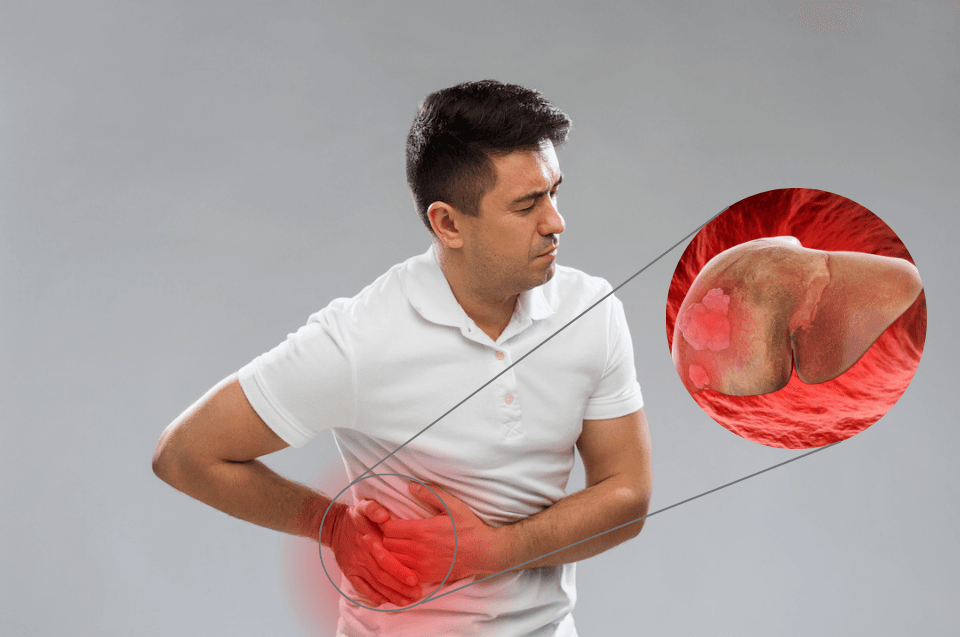
Topics covered in this article
- What is liver cancer?
- Primary liver cancer vs. liver metastases
- Types of liver cancer
- Risk factors and causes
- How cirrhosis increases the risk
- Signs and symptoms
- How liver cancer is diagnosed
- Staging and prognosis
- Treatment options
- Liver transplantation and surgical treatment
- Targeted therapies and immunotherapy
- Can liver cancer be prevented?
- Myths and facts
- Quick FAQ
- Important disclaimer
- References and further reading
What is liver cancer?
Liver cancer occurs when abnormal cells in the liver begin to grow uncontrollably and form a tumor.
The liver is one of the body’s most important organs and performs functions such as:
- filtering toxins from the blood
- producing bile for digestion
- storing nutrients
- helping regulate metabolism
- producing essential proteins involved in blood clotting
When cancer develops in the liver, these functions can gradually become impaired.
📌 Liver cancer is among the leading causes of cancer-related deaths worldwide, partly because many cases are diagnosed at advanced stages.
Primary liver cancer vs. liver metastases
The term “liver cancer” may refer to two different situations.
Primary liver cancer
The cancer originates in the liver itself.
Examples include:
- hepatocellular carcinoma (HCC)
- intrahepatic cholangiocarcinoma
- rare liver tumors
Liver metastases
Cancer begins elsewhere in the body and later spreads to the liver.
Common primary sites include:
- colon and rectum
- pancreas
- breast
- lung
- stomach
📌 Hepatocellular carcinoma is the most common primary liver cancer in adults.
Types of liver cancer
Hepatocellular carcinoma (HCC)
This is the most common type, accounting for most primary liver cancer cases worldwide.
It usually develops in people with:
- cirrhosis
- chronic hepatitis B
- chronic hepatitis C
- advanced liver disease
Intrahepatic cholangiocarcinoma
A cancer arising from bile ducts located within the liver.
It is less common but often more difficult to diagnose early.
Rare liver cancers
Examples include:
- angiosarcoma
- hepatoblastoma (more common in children)
- fibrolamellar carcinoma
📌 Different types of liver cancer may require different treatment strategies.
Risk factors and causes
Several conditions can increase the risk of developing liver cancer.
Major risk factors include:
- cirrhosis
- chronic hepatitis B infection
- chronic hepatitis C infection
- excessive alcohol consumption
- nonalcoholic fatty liver disease (NAFLD)
- obesity
- type 2 diabetes
- exposure to aflatoxins (toxins produced by certain molds)
- smoking
- inherited liver disorders
📌 Not everyone with risk factors develops liver cancer, but the risk increases significantly when chronic liver injury is present.
How cirrhosis increases the risk
Cirrhosis is one of the strongest risk factors for liver cancer.
In cirrhosis, healthy liver tissue is gradually replaced by scar tissue.
Over time, chronic inflammation and repeated attempts at tissue repair can increase the likelihood of genetic mutations that lead to cancer.
Common causes of cirrhosis include:
- chronic viral hepatitis
- alcohol-related liver disease
- metabolic dysfunction-associated steatotic liver disease (MASLD)
- autoimmune liver diseases
📌 Many liver cancer screening programs focus on patients with cirrhosis because they are at significantly higher risk.
Signs and symptoms
Early liver cancer often causes few or no symptoms.
As the disease progresses, symptoms may include:
- unexplained weight loss
- loss of appetite
- fatigue
- persistent weakness
- abdominal discomfort
- pain in the upper right abdomen
- nausea
- feeling full after eating small amounts
Advanced disease may cause:
- jaundice (yellowing of the skin and eyes)
- abdominal swelling (ascites)
- leg swelling
- worsening liver function
- confusion related to liver failure
📌 Because symptoms can be subtle, regular surveillance is important for people at high risk.
How liver cancer is diagnosed
Diagnosis usually involves a combination of imaging tests, blood work, and clinical evaluation.
Blood tests
Doctors may evaluate:
- liver function
- clotting function
- viral hepatitis status
- alpha-fetoprotein (AFP), a tumor marker that may be elevated in some patients
Imaging studies
Common imaging tests include:
- ultrasound
- CT scan
- MRI
MRI and multiphase CT scans often provide detailed information about the tumor.
Biopsy
In some cases, a tissue sample may be required to confirm the diagnosis.
📌 Many cases of hepatocellular carcinoma can be diagnosed based on characteristic imaging findings alone.
Staging and prognosis
After diagnosis, doctors determine the stage of the disease.
Factors considered include:
- tumor size
- number of tumors
- blood vessel involvement
- spread outside the liver
- liver function
- overall health status
Prognosis varies widely.
Outcomes tend to be better when:
- the tumor is detected early
- liver function remains preserved
- curative treatment is possible
📌 Early-stage liver cancer may be potentially curable.
Treatment options
Treatment depends on tumor stage, liver function, and overall health.
Available options include:
- surgical resection
- liver transplantation
- tumor ablation
- embolization procedures
- targeted therapies
- immunotherapy
- systemic treatments
📌 Treatment plans are highly individualized and usually involve multidisciplinary teams.
Liver transplantation and surgical treatment
Surgical resection
Removal of the tumor may be possible when:
- the cancer is localized
- sufficient healthy liver tissue remains
Liver transplantation
For selected patients, transplantation can treat both:
- the cancer
- the underlying liver disease
This approach may offer excellent long-term outcomes in appropriately selected cases.
📌 Not all patients are candidates for transplantation, and eligibility criteria vary among transplant centers.
Targeted therapies and immunotherapy
Recent advances have significantly expanded treatment options.
Targeted therapies
These medications interfere with specific pathways that cancer cells use to grow and spread.
Immunotherapy
Immunotherapy helps the immune system recognize and attack cancer cells.
In some patients, immunotherapy has improved survival and disease control compared with older treatment approaches.
📌 The field of liver cancer treatment has evolved rapidly over the last decade.
Can liver cancer be prevented?
Many liver cancer cases may be preventable.
Important preventive measures include:
- hepatitis B vaccination
- early treatment of hepatitis B and C
- limiting alcohol consumption
- maintaining a healthy weight
- managing diabetes
- avoiding tobacco use
- regular surveillance in high-risk individuals
For people with cirrhosis, routine ultrasound screening is often recommended.
📌 Prevention and early detection remain among the most effective strategies for reducing liver cancer mortality.
Myths and facts
“Only people who drink alcohol develop liver cancer.”
Myth. Chronic hepatitis, fatty liver disease, obesity, and several other conditions can also increase risk.
“Liver cancer always causes symptoms early.”
Myth. Many patients have no symptoms during the initial stages.
“People with cirrhosis should be monitored regularly.”
Fact. Surveillance can help detect tumors at more treatable stages.
“Liver cancer can be treated.”
Fact. Treatment options include surgery, transplantation, local therapies, targeted treatments, and immunotherapy.
“Hepatitis B vaccination helps reduce liver cancer risk.”
Fact. Vaccination is one of the most effective preventive measures available.
Quick FAQ
Can liver cancer be cured?
Some patients can be cured, particularly when the disease is detected early and treated with surgery or transplantation.
What is the most common type of liver cancer?
Hepatocellular carcinoma (HCC).
Does fatty liver disease increase the risk?
Yes. Advanced fatty liver disease and cirrhosis can increase the likelihood of developing liver cancer.
Is liver cancer hereditary?
Most cases are not directly inherited, although some inherited conditions can increase risk.
Can someone have liver cancer without symptoms?
Yes. This is one reason why surveillance programs are important for high-risk individuals.
Important disclaimer
This content is for educational purposes only and does not replace professional medical advice. Persistent abdominal pain, unexplained weight loss, jaundice, abdominal swelling, or any concerning symptoms should be evaluated by a qualified healthcare professional.
References and further reading
- World Health Organization (WHO). Liver cancer facts, prevention, and global epidemiology.
- American Cancer Society (ACS). Liver Cancer: Overview, Diagnosis, and Treatment.
- National Cancer Institute (NCI). Hepatocellular carcinoma and primary liver cancer resources.
- European Association for the Study of the Liver (EASL). Clinical Practice Guidelines on Hepatocellular Carcinoma.
- American Association for the Study of Liver Diseases (AASLD). Practice Guidance on Prevention, Diagnosis, and Treatment of HCC.
- National Health Service (NHS). Liver cancer overview and patient guidance.
- Mayo Clinic. Liver cancer: symptoms, causes, diagnosis, and treatment.