
Contents covered in this post
December 1: why this date matters
HIV vs. AIDS: what’s the difference
How HIV is transmitted (and what does not transmit it)
Signs, symptoms, and when to suspect infection
Testing and the window period
Treatment: goals, U=U, and quality of life
Combination prevention: condoms, PrEP, and PEP
HIV in pregnancy and prevention of vertical transmission
Stigma, rights, and everyday life
Quick FAQ
Important notice (health disclaimer)
References and recommended reading
December 1: why this date matters
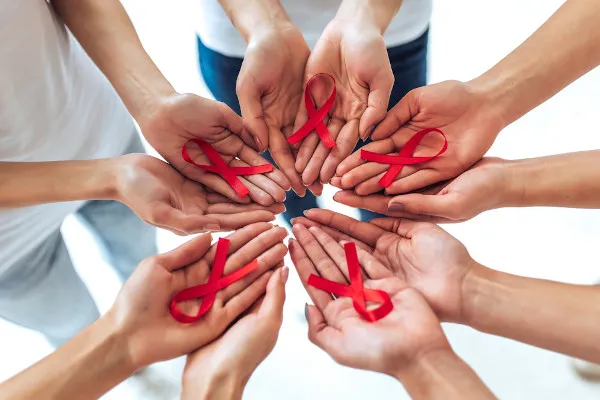
World AIDS Day calls for quality information, fighting stigma, and universal access to testing and treatment. The red ribbon symbolizes solidarity with people living with HIV and remembrance of those lost. Talking about HIV each year helps expand prevention, encourage testing, and remind us that with treatment people can live healthy, long, and purposeful lives.
HIV vs. AIDS: what’s the difference
HIV is the human immunodeficiency virus. It infects immune cells, especially CD4 T cells.
AIDS is acquired immunodeficiency syndrome, the advanced stage of HIV infection, defined by a marked drop in CD4 or by opportunistic illnesses.
A person can have HIV without having AIDS. Early antiretroviral therapy prevents progression and supports long, active lives.
How HIV is transmitted (and what does not transmit it)
Transmitted by
Sex without a condom with a partner who has HIV and a detectable viral load
Blood exposure: sharing needles or sharp instruments, occupational accidents
Pregnancy, delivery, and breastfeeding if not managed properly
Not transmitted by
Hugs, social kisses, handshakes
Sharing utensils, cups, seats, pools, or via mosquitoes
Everyday contact at work or school
Accurate information reduces fear and prejudice.
Signs, symptoms, and when to suspect infection
HIV infection can have phases.
Acute infection
Weeks after exposure, some people develop a mono- or flu-like illness: fever, sore throat, swollen lymph nodes, rash, body aches. It is often missed.
Chronic phase
Can be asymptomatic for years. Without treatment, CD4 gradually declines and susceptibility to opportunistic infections increases.
AIDS
Marked by opportunistic illnesses such as Pneumocystis pneumonia, esophageal candidiasis, disseminated tuberculosis, cerebral toxoplasmosis, and certain cancers. The goal is to avoid this stage through early diagnosis and treatment.
Seek testing after a risk exposure, if you have another STI, during preconception planning, or proactively as prevention.
Testing and the window period
There are antibody tests and tests that detect p24 antigen or viral RNA.
Fourth-generation tests detect p24 antigen plus antibodies and shorten the window period. Results become reliable from about 2–4 weeks after exposure, with higher sensitivity after 6 weeks.
Rapid tests and self-tests increase access. A reactive result should be confirmed at a health service.
If the first test is negative but exposure was recent, repeat after the recommended interval. For very recent exposures, an RNA test may be indicated per local protocols.
Treatment: goals, U=U, and quality of life
Treatment uses combination antiretroviral therapy. Starting as soon as possible is the current standard because it brings individual and public-health benefits.
Treatment goals
Undetectable viral load on routine assays
U=U (Undetectable = Untransmittable): people who maintain a sustained undetectable viral load do not transmit HIV sexually
CD4 recovery and prevention of opportunistic disease
Quality of life: manage side effects, mental health, adherence, and comorbidities
With proper follow-up, life expectancy approaches that of the general population. Regular visits, up-to-date vaccinations, STI screening, and cardiovascular risk management are part of care.
Combination prevention: condoms, PrEP, and PEP
Combination prevention means layering strategies based on a person’s context.
External or internal condoms: protect against HIV and other STIs
PrEP (pre-exposure prophylaxis): antiretrovirals for HIV-negative people at increased risk, taken daily or on-demand in specific regimens. Requires periodic testing and follow-up
PEP (post-exposure prophylaxis): start as soon as possible, ideally within 72 hours of a risk exposure, for 28 days
Harm reduction: sterile equipment, needle-exchange programs
U=U: when a partner living with HIV is durably undetectable, there is no sexual transmission
Regular testing and treatment of other STIs complement sexual-health prevention
Discuss the right mix for your situation with your healthcare provider.
HIV in pregnancy and preventing vertical transmission
With appropriate prenatal care and antiretroviral therapy, the risk of transmission can be reduced to very low levels. Plans include:
Starting or maintaining therapy during pregnancy
Individualized delivery planning according to viral load
Prophylaxis for the newborn and guidance on infant feeding per local policy
Early diagnosis and continuous therapy are key.
Stigma, rights, and everyday life
Often the heaviest burden is stigma, not the virus. Helpful points:
Rights: confidentiality, non-discrimination at work and school, and access to prevention and treatment
Relationships: U=U reshapes conversations about sexuality. Open communication and shared care strengthen bonds
Mental health: anxiety and depression can occur. Psychological support and peer groups help
Routine: adherence, regular appointments, vaccination, and healthy habits support a long, active life
Quick FAQ
Is there a cure for HIV?
No widely available cure yet. Current treatment safely and effectively controls the virus, allowing long, healthy lives.
Is it possible to have children safely?
Yes. With planning, treatment, and follow-up, vertical transmission risk can be reduced to very low levels.
How long after starting treatment until I’m undetectable?
It varies. Many people reach undetectable in weeks to a few months with full adherence.
Does PrEP replace condoms?
PrEP protects against HIV but not other STIs. Condoms still matter, especially with new or multiple partners.
Can I get HIV from kissing or shared utensils?
No. HIV is not transmitted through saliva, utensils, cups, pools, or mosquitoes.
Important notice (health disclaimer)
This content is educational and does not replace medical care. Testing, initiating treatment, choosing PrEP or PEP, and pregnancy management should follow local protocols and professional guidance. For recent exposures, seek care as soon as possible.
References and recommended reading
WHO / PAHO. Consolidated guidelines on HIV prevention, testing, treatment, and care.
CDC. HIV basics, window periods for testing, and clinical guidance for PrEP and PEP.
UNAIDS. World AIDS Day communications, global targets, and stigma reduction.
EACS Guidelines. Antiretroviral treatment, U=U, and combination prevention in clinical practice.
Brazilian Ministry of Health. Clinical protocol and therapeutic guidelines for HIV management.
Cochrane Reviews. Evidence on PrEP effectiveness, adherence, and prevention interventions.