
Contents discussed in this post
What is thalassemia
Types of thalassemia: alpha and beta
How thalassemia affects hemoglobin production
Symptoms and clinical signs in thalassemia major and minor
Diagnosis and laboratory tests
Treatment: blood transfusions, iron chelation, and splenectomy
Thalassemia in pregnancy and prenatal diagnosis
Long-term management and quality of life
How VirtualCare can help
Quick FAQ
Important notice (health disclaimer)
References and recommended reading
What is thalassemia
Thalassemia is a hereditary genetic disease that affects hemoglobin production, the protein responsible for oxygen transport in the blood. It results in the production of abnormal or insufficient hemoglobin, leading to anemia and other related problems. There are two main types: alpha-thalassemia and beta-thalassemia, depending on which globin chain is affected.
Types of thalassemia: alpha and beta
Alpha-thalassemia: occurs when there is a deficiency in the alpha chains of hemoglobin. It can be mild (alpha-thalassemia minor), moderate, or severe (alpha-thalassemia major, also known as hydrops fetalis).
Beta-thalassemia: occurs when beta chains of hemoglobin are inadequately produced. There are two main forms:
Thalassemia minor (carrier): usually asymptomatic or with mild symptoms.
Thalassemia major (also known as Cooley’s syndrome): severe, requiring regular blood transfusions and lifelong monitoring. Beta-thalassemia major is the most severe form and requires continuous treatment.
How thalassemia affects hemoglobin production
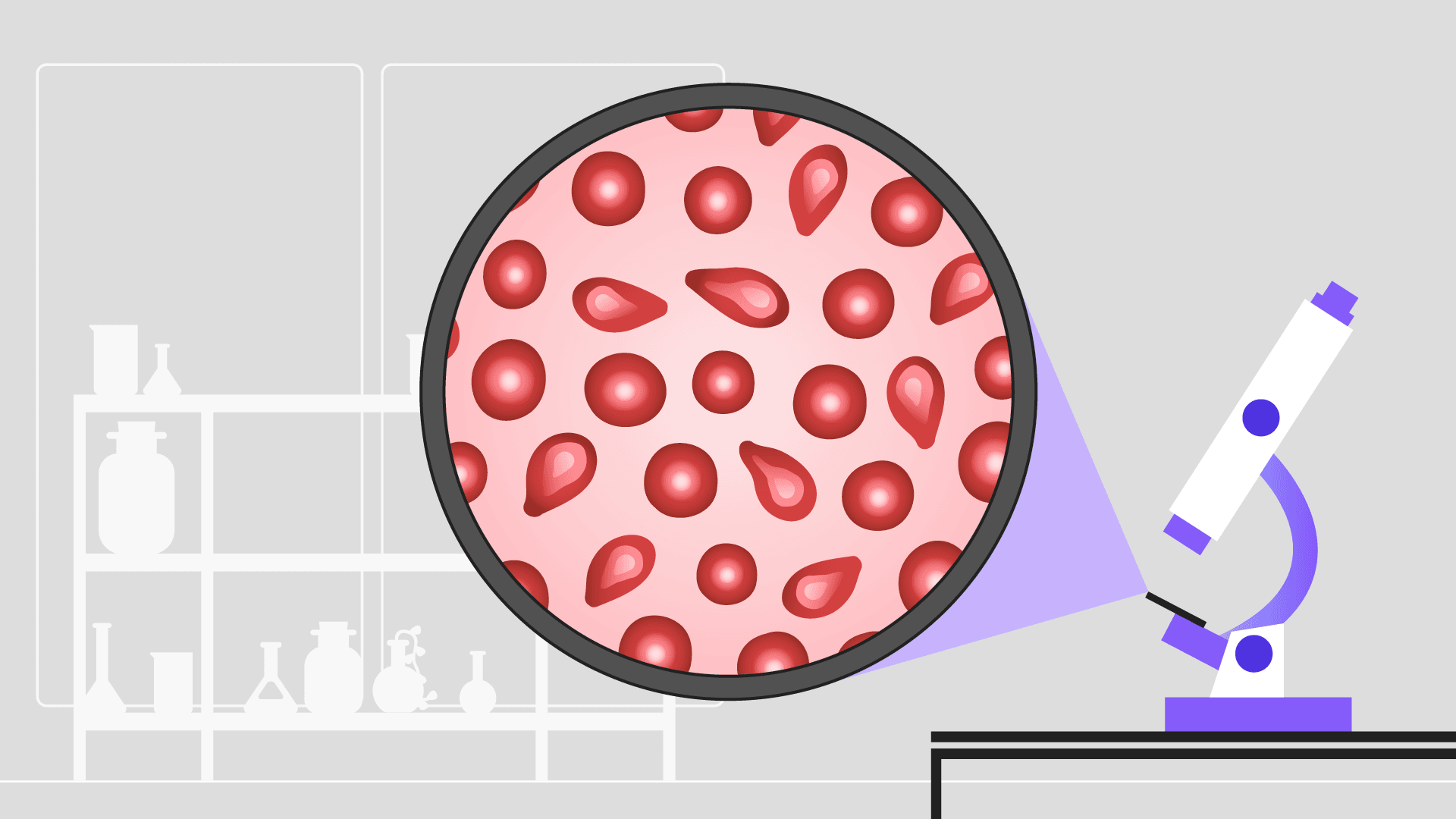
In individuals with thalassemia, the production of globin chains (either alpha or beta) is reduced or absent. This results in functionally deficient hemoglobin that cannot efficiently carry oxygen, leading to severe anemia. The body tries to compensate by producing more red blood cells, but these cells are often small and have a reduced lifespan, causing increased destruction of cells (hemolysis).
Symptoms and clinical signs in thalassemia major and minor
Thalassemia minor (alpha or beta):
Often asymptomatic or with mild symptoms such as fatigue or mild anemia.
Does not require treatment, but should be monitored to ensure anemia does not worsen over time.
Thalassemia major (beta-thalassemia):
Severe anemia with signs of extreme fatigue, pallor, and lack of energy.
Splenomegaly (enlarged spleen) and hepatomegaly (enlarged liver) due to chronic hemolysis.
Regular blood transfusions are required to correct anemia and maintain adequate hemoglobin levels.
Iron overload due to frequent transfusions (requires strict control with iron chelation medications).
Growth delay and bone changes (such as increased jaw size) may occur due to the body’s attempt to compensate for the anemia.
Diagnosis and laboratory tests
The diagnosis of thalassemia is made through laboratory tests, including:
Complete blood count: may indicate microcytic anemia (smaller than normal red blood cells) with low hemoglobin concentration.
Hemoglobin electrophoresis: essential to confirm the diagnosis and distinguish between the different types of thalassemia and other conditions. It detects abnormal hemoglobin patterns.
Fetal hemoglobin (HbF) test: in some types of thalassemia, fetal hemoglobin production is increased.
Iron levels: to check for iron overload in patients who undergo regular transfusions.
Genetic testing: to confirm mutations in the genes responsible for the alpha or beta hemoglobin chains.
Treatment: transfusions, iron chelation, and splenectomy
Treatment for thalassemia depends on the type and severity of the disease.
Thalassemia minor:
Usually requires no treatment, but medical follow-up may be necessary to monitor hemoglobin levels and ensure the condition does not progress to more severe forms.
Thalassemia major:
Regular blood transfusions are required to maintain adequate hemoglobin levels.
Iron chelation: patients who undergo regular transfusions develop iron overload. Medications such as deferoxamine, deferasirox, and deferiprone help remove excess iron and prevent damage to the liver and heart.
Spironolactone: may be used when there is excess iron in the body.
Splenectomy: in some cases, removal of the spleen may be necessary to relieve symptoms of hypersplenism, which can reduce the number of red blood cells and platelets.
Genetic treatment and advanced therapies
In specialized centers, gene therapy or hematopoietic stem cell transplantation (bone marrow transplant) may be considered for patients with thalassemia major who do not respond well to conventional treatment.
Thalassemia in pregnancy and prenatal diagnosis
Thalassemia can be passed to children. Prenatal diagnosis involves the analysis of amniocentesis or chorionic villus sampling to detect the presence of genetic mutations.
Women with thalassemia minor typically have an uncomplicated pregnancy but should be monitored for anemia.
Women with thalassemia major should be closely monitored during pregnancy, with hemoglobin, iron levels, and transfusions managed as needed.
Long-term management and quality of life
Managing thalassemia requires regular follow-up to monitor anemia, iron overload, bone development, and organ complications. Quality of life depends on how well the patient responds to treatment.
Iron control: avoid overload and manage with iron chelation treatment.
Periodic exams: to evaluate heart, liver, kidney, and endocrine function, as well as to monitor potential complications such as diabetes or heart problems.
Psychosocial support: crucial for coping with the emotional challenges of chronic disease, especially in younger patients.
When to seek help
Consult a doctor if you or a family member has symptoms of severe anemia, such as excessive fatigue, pallor, enlarged spleen or liver, or a family history of thalassemia. Early diagnosis and appropriate treatment are essential to prevent complications.
Quick FAQ
Does thalassemia have a cure?
Currently, there is no definitive cure for most cases of thalassemia, but regular transfusions, iron chelation treatment, and stem cell transplant in selected cases can manage the disease.
Is it possible to have children with thalassemia?
Yes, but if both parents are carriers, there is a 25% chance of having a child with thalassemia major. Genetic prenatal diagnosis can help plan the pregnancy.
Can I live a normal life with thalassemia minor?
Yes, thalassemia minor generally does not present severe symptoms and can be managed with regular monitoring.
Important notice (health disclaimer)
This content is educational and does not replace medical care. Thalassemia requires specialized follow-up, and treatment should be individualized for each case.
References and recommended reading
WHO. Haemoglobinopathies and thalassaemia: Global guidelines for diagnosis and management.
National Institutes of Health (NIH). Thalassemia: Diagnosis and Treatment Guidelines.
American Society of Hematology (ASH). Thalassemia treatment and management.
European Hematology Association (EHA). Guidelines on thalassemia: Diagnosis, treatment, and follow-up care.
Cochrane Reviews. Iron chelation therapy in thalassemia major and its effects on iron overload.
Sociedade Brasileira de Hematologia. Diretrizes nacionais para o manejo da talassemia no Brasil.