

Topics covered in this article
- What is atherosclerosis?
- Are atherosclerosis and arteriosclerosis the same thing?
- How does atherosclerotic plaque form?
- Which arteries can be affected?
- Risk factors
- Why can atherosclerosis be silent?
- Symptoms of atherosclerosis
- Warning signs and when to seek emergency care
- Possible complications
- Diagnosis and tests
- Treatment of atherosclerosis
- Medications that may be used
- Angioplasty, stents, and surgery
- Can arterial plaque shrink?
- How to prevent or slow progression
- Myths and facts
- Quick FAQ
- Important disclaimer
- References and further reading
What is atherosclerosis?
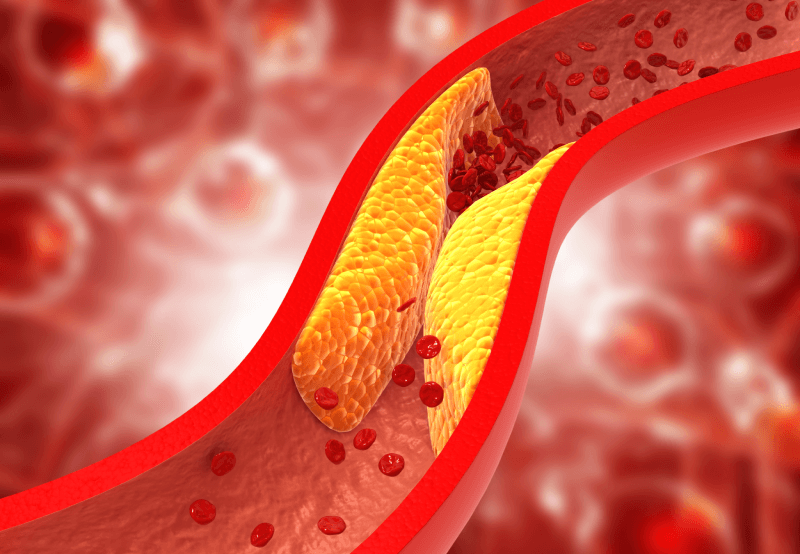
Atherosclerosis is a disease of the arteries characterized by the progressive buildup of plaque within the arterial walls.
These plaques are made of cholesterol, fats, inflammatory cells, calcium, fibrous tissue, and other substances found in the blood.
Over time, plaque can thicken the arterial wall and reduce the space available for blood to flow.
This narrowing may reduce the delivery of oxygen-rich blood to organs and muscles.
Some plaques can also rupture. When this happens, the body may form a blood clot over the damaged area, partially or completely blocking circulation.
This process is involved in serious events such as:
- Heart attack.
- Stroke.
- Peripheral artery disease.
- Intestinal ischemia.
- Circulation problems affecting different organs.
Important: atherosclerosis is not simply “fat clogging an artery.” It is a complex process involving cholesterol, inflammation, damage to the arterial wall, healing responses, and plaque formation.
Are atherosclerosis and arteriosclerosis the same thing?
The terms sound similar, but they do not mean exactly the same thing.
Arteriosclerosis is a broad term used to describe hardening, thickening, or loss of elasticity in the arteries.
Atherosclerosis is a specific type of arteriosclerosis caused by plaque formation within the arterial wall.
In summary:
- Arteriosclerosis: hardening or loss of elasticity in the arteries from different causes.
- Atherosclerosis: plaque formation involving cholesterol, inflammatory cells, calcium, and fibrous tissue.
Atherosclerosis is one of the most important forms of arterial disease because it is directly associated with heart attack, stroke, and impaired circulation.
How does atherosclerotic plaque form?
Plaque formation often begins with microscopic injury or dysfunction of the endothelium, the inner lining of the arteries.
Factors such as high blood pressure, smoking, diabetes, elevated cholesterol, and chronic inflammation can damage this lining.
When endothelial function is impaired, LDL cholesterol particles can enter the arterial wall.
The body responds by sending immune cells to the area, creating an inflammatory reaction.
Over time, the following substances and cells accumulate:
- LDL cholesterol.
- Inflammatory cells.
- Smooth muscle cells from the arterial wall.
- Fibrous tissue.
- Calcium.
Together, these components form an atherosclerotic plaque.
Some plaques grow slowly and gradually narrow the artery.
Others may have a thinner, more fragile outer covering and a greater risk of rupture.
When a plaque ruptures, platelets and clotting factors may form a thrombus, which is a blood clot inside the vessel.
If the clot blocks an artery supplying the heart, a heart attack may occur. If it blocks an artery supplying the brain, it may cause an ischemic stroke.
Which arteries can be affected?
Atherosclerosis can affect arteries throughout the body.
Coronary arteries
The coronary arteries supply blood to the heart muscle.
When they are affected, possible consequences include:
- Angina.
- Shortness of breath during activity.
- Heart attack.
- Heart failure in some cases.
Carotid and cerebral arteries
The carotid arteries carry blood to the brain.
Plaque in these vessels can increase the risk of:
- Transient ischemic attack.
- Ischemic stroke.
- Sudden neurological symptoms.
Arteries in the legs
When atherosclerosis affects the arteries of the lower limbs, the condition is called peripheral artery disease.
It may cause:
- Leg pain while walking.
- Muscle fatigue.
- Cold feet.
- Wounds that heal slowly.
- Weak or absent pulses in the feet.
Renal arteries
Narrowing of the arteries that supply the kidneys may contribute to difficult-to-control high blood pressure and reduced kidney function.
Mesenteric arteries
Atherosclerosis can reduce blood flow to the intestines, causing abdominal pain after meals, unintended weight loss, or, in acute situations, intestinal ischemia.
Important: atherosclerosis is often a systemic disease. A person with plaque in one arterial region may also have disease in other parts of the circulation.
Risk factors
Atherosclerosis develops over many years and usually results from a combination of factors.
Main risk factors include:
- High LDL cholesterol.
- Low HDL cholesterol in certain clinical contexts.
- High triglycerides.
- High blood pressure.
- Diabetes.
- Smoking.
- Obesity.
- Physical inactivity.
- A diet high in saturated fat, trans fat, added sugar, and highly processed foods.
- Older age.
- Family history of premature cardiovascular disease.
- Chronic kidney disease.
- Obstructive sleep apnea.
- Chronic inflammatory diseases.
- Chronic stress and inadequate sleep.
Some risk factors can be modified, including smoking, blood pressure, cholesterol, diabetes, diet, and physical inactivity.
Others cannot be changed, including age, genetics, and family history.
Important: a person may develop atherosclerosis even without having every traditional risk factor.
Why can atherosclerosis be silent?
Atherosclerosis usually develops slowly.
For many years, an artery may adapt to plaque growth without causing a major reduction in blood flow.
The body may also develop small alternative blood vessels, known as collateral circulation.
As a result, many people have no symptoms during the early stages.
In some cases, the first sign of disease is a serious event such as a heart attack or stroke.
This makes preventive monitoring of the following factors especially important:
- Blood pressure.
- Cholesterol levels.
- Blood glucose.
- Body weight.
- Smoking.
- Family history.
Important: the absence of symptoms does not mean the absence of atherosclerosis.
Symptoms of atherosclerosis
Symptoms depend on which arteries are affected and how much blood flow has been reduced.
When it affects the heart
- Chest pain, pressure, tightness, or discomfort.
- Shortness of breath.
- Fatigue during physical activity.
- Pain that may spread to the arm, shoulder, jaw, back, or upper abdomen.
- Palpitations.
- Sweating and nausea during an acute event.
When it affects the brain
- Sudden weakness on one side of the body.
- Numbness of the face, arm, or leg.
- Difficulty speaking or understanding speech.
- Sudden vision changes.
- Severe dizziness.
- Loss of balance or coordination.
- Sudden confusion.
When it affects the legs
- Pain or fatigue in the calf while walking.
- Relief of pain after resting.
- Cold feet.
- Pale, bluish, or discolored skin.
- Wounds that do not heal.
- Hair loss on the legs.
- Slow toenail growth.
When it affects the kidneys
- High blood pressure that is difficult to control.
- Worsening kidney function.
- Fluid retention in some cases.
Important: these symptoms are not exclusive to atherosclerosis. Medical evaluation is needed to identify the cause.
Warning signs and when to seek emergency care
Seek immediate medical care for symptoms that may indicate a heart attack, stroke, or severe loss of circulation.
Warning signs include:
- Severe or persistent chest pain or pressure.
- Chest discomfort associated with shortness of breath, cold sweating, nausea, or fainting.
- Sudden weakness or numbness on one side of the body.
- Sudden difficulty speaking.
- Facial drooping.
- Sudden loss of vision.
- Sudden confusion.
- Severe, sudden pain in one leg with paleness or coldness.
- Sudden, severe abdominal pain.
- Fainting or a major drop in blood pressure.
Important: heart attack and stroke are medical emergencies. Do not wait for symptoms to resolve before seeking help.
Possible complications
Complications depend on the location and severity of the disease.
Main complications include:
- Heart attack.
- Angina.
- Heart failure.
- Stroke.
- Transient ischemic attack.
- Peripheral artery disease.
- Foot ulcers and nonhealing wounds.
- Gangrene in severe cases.
- Chronic kidney disease.
- Intestinal ischemia.
- Aneurysms in certain arterial regions.
- Sudden cardiac death.
Some complications result from the gradual narrowing of an artery.
Others occur suddenly after plaque rupture and blood clot formation.
Diagnosis and tests
Diagnosis involves evaluating risk factors, performing a physical examination, and using laboratory or imaging tests when appropriate.
Blood tests
Tests may include:
- Total cholesterol.
- LDL cholesterol.
- HDL cholesterol.
- Triglycerides.
- Blood glucose.
- Hemoglobin A1c.
- Kidney function tests.
- Additional cardiovascular risk markers in selected patients.
Blood pressure and clinical risk assessment
Blood pressure measurement and evaluation of smoking, diabetes, diet, physical activity, body weight, and family history are essential.
Electrocardiogram
An electrocardiogram evaluates the electrical activity of the heart and may show signs of reduced blood flow, a previous heart attack, or abnormal heart rhythm.
Exercise testing and functional cardiac tests
These tests may help determine whether the heart receives enough blood during physical activity.
Other functional tests include stress echocardiography and myocardial perfusion imaging.
Carotid ultrasound
Ultrasound can identify plaque and narrowing in the carotid arteries.
This test is not recommended as routine screening for everyone and should be ordered according to symptoms and individual risk.
Ankle-brachial index
This test compares blood pressure in the arms with blood pressure at the ankles.
It can help identify peripheral artery disease.
Coronary artery calcium score
A coronary artery calcium scan measures calcium within the coronary arteries.
It may help refine cardiovascular risk in selected people, particularly when there is uncertainty about the intensity of preventive treatment.
The test is not appropriate for everyone and should be interpreted together with age, symptoms, and overall risk factors.
CT angiography and invasive angiography
CT angiography provides detailed images of the arteries and may show narrowing or obstruction.
Catheter-based angiography is an invasive test generally used when significant obstruction is suspected or when angioplasty is being considered.
Important: there is no single test that evaluates every artery in the body. The choice depends on symptoms, the suspected arterial region, and the person’s overall risk.
Treatment of atherosclerosis
Treatment aims to reduce the risk of heart attack, stroke, and other complications.
It may include lifestyle changes, medications, and procedures.
Main goals include:
- Lowering LDL cholesterol.
- Controlling blood pressure.
- Managing diabetes.
- Stopping smoking.
- Improving diet and physical activity.
- Reducing blood clot formation in selected patients.
- Restoring blood flow when severe blockages are present.
Lifestyle changes
Lifestyle changes are a fundamental part of treatment.
Important measures include:
- Stop smoking.
- Exercise regularly according to medical guidance.
- Reduce highly processed foods.
- Limit trans fats and excessive saturated fats.
- Increase vegetables, fruits, fiber, legumes, and whole grains.
- Include fish, nuts, seeds, and unsaturated fats when appropriate.
- Reduce excessive sodium intake.
- Maintain a healthy body weight.
- Get adequate sleep.
- Manage stress.
These measures help reduce cardiovascular risk, but they do not replace medication when medication is indicated.
Medications that may be used
Medication choices depend on the person’s cardiovascular risk and associated medical conditions.
Statins
Statins lower LDL cholesterol and help stabilize atherosclerotic plaques.
They can reduce the risk of heart attack, stroke, and cardiovascular death in people with an appropriate indication.
The intensity of treatment depends on cardiovascular risk, known vascular disease, cholesterol levels, diabetes, and other factors.
Other cholesterol-lowering medications
If a statin is not sufficient or is not well tolerated, other medications may be considered, including:
- Ezetimibe.
- PCSK9 inhibitors.
- Bempedoic acid in selected cases.
- Other therapies based on the patient’s lipid profile and overall risk.
Blood pressure medications
Controlling blood pressure reduces stress on the arteries and lowers the risk of cardiovascular complications.
Different classes may be used, including angiotensin-converting enzyme inhibitors, angiotensin receptor blockers, diuretics, calcium channel blockers, and beta blockers.
Diabetes medications
Managing blood glucose helps reduce the progression of vascular disease.
Some diabetes medications also provide cardiovascular benefits in selected patient groups.
Antiplatelet medications
Medications such as aspirin or clopidogrel may reduce blood clot formation in certain patients.
However, they should not be started without medical guidance.
In people without known cardiovascular disease, the potential benefit may be smaller, while the risk of bleeding must be considered.
Important: treatment must be individualized. Do not start or stop statins, aspirin, blood pressure medication, or other cardiovascular drugs without medical advice.
Angioplasty, stents, and surgery
When there is severe narrowing, persistent symptoms, or a high risk of complications, a procedure may be needed to improve blood flow.
Angioplasty
During angioplasty, a catheter is guided to the narrowed part of the artery.
A small balloon may be inflated to widen the vessel.
Stent placement
A stent is a small mesh tube placed inside the artery to help keep it open.
Stents are commonly used in coronary arteries and may also be used in other blood vessels.
Coronary artery bypass surgery
Bypass surgery creates a new route for blood to flow around a blocked artery.
In the heart, this procedure is called coronary artery bypass grafting.
Carotid procedures
In selected cases of significant carotid artery narrowing, surgery to remove plaque or carotid stenting may be recommended.
Treatment of peripheral artery disease
Procedures on the arteries of the legs may be considered when there is disabling pain, nonhealing wounds, risk of limb loss, or severely reduced circulation.
Important: angioplasty and surgery treat specific areas of obstruction, but they do not eliminate atherosclerosis from the rest of the body. Ongoing risk factor control remains necessary.
Can arterial plaque shrink?
Treatment can stabilize plaques, reduce inflammation, and lower the risk of rupture.
In some people, intensive lowering of LDL cholesterol can lead to a small reduction in plaque volume.
However, this does not mean that every plaque will disappear.
Many plaques remain present but become more stable and less likely to trigger an acute event.
The main goal of treatment is to reduce the risk of:
- Plaque rupture.
- Blood clot formation.
- Heart attack.
- Stroke.
- Progression of arterial narrowing.
Important: no food, tea, supplement, or home remedy can rapidly “unclog” arteries.
How to prevent or slow progression
Prevention should begin before symptoms appear.
Important measures include:
- Do not smoke.
- Control cholesterol levels.
- Control blood pressure.
- Manage diabetes.
- Exercise regularly.
- Follow a balanced eating pattern.
- Reduce highly processed foods.
- Maintain a healthy body weight.
- Get adequate sleep.
- Treat obstructive sleep apnea when present.
- Attend regular medical checkups.
- Take prescribed medications consistently.
People with a family history of premature heart attack or stroke may need more detailed cardiovascular risk assessment.
Very high cholesterol levels may also require investigation for familial hypercholesterolemia.
Myths and facts
“Atherosclerosis is only fat stuck inside an artery.”
Myth.
“Plaque formation involves cholesterol, inflammation, calcium, and fibrous tissue.”
Fact.
“A person can have atherosclerosis without symptoms.”
Fact.
“Atherosclerosis can contribute to heart attack and stroke.”
Fact.
“Only older adults develop atherosclerosis.”
Myth.
“Smoking, high blood pressure, diabetes, and high cholesterol increase the risk.”
Fact.
“Everyone should take aspirin to prevent a heart attack.”
Myth.
“Statins can reduce cardiovascular risk in people with an appropriate indication.”
Fact.
“Angioplasty removes atherosclerosis from every artery in the body.”
Myth.
“Lifestyle changes remain important after stent placement.”
Fact.
Quick FAQ
Can atherosclerosis be cured?
Atherosclerosis is a chronic condition. Treatment can slow progression, stabilize plaques, and substantially reduce the risk of complications.
Is atherosclerosis the same as high cholesterol?
No. High cholesterol is a risk factor. Atherosclerosis is the disease process that develops within the arterial wall.
Can arterial plaque disappear?
A small amount of regression may occur in some people with intensive treatment. The main goal is to stabilize plaques and reduce the risk of rupture.
Which test shows blocked arteries?
The appropriate test depends on the artery involved. Options may include ultrasound, CT angiography, invasive angiography, exercise testing, coronary calcium scoring, ankle-brachial index, and other tests.
Can atherosclerosis cause high blood pressure?
It may contribute in some cases, particularly when the renal arteries are affected. At the same time, high blood pressure can accelerate atherosclerosis.
Can a thin person have atherosclerosis?
Yes. Body weight is only one factor. Genetics, cholesterol, smoking, diabetes, high blood pressure, kidney disease, and other factors also influence risk.
Do statins clean the arteries?
Statins lower LDL cholesterol and help stabilize plaque. A small amount of plaque regression may occur in some people, but the main benefit is reducing cardiovascular events.
Does everyone with atherosclerosis need a stent?
No. Many people are treated with medication and lifestyle changes. Stents are used in specific clinical situations.
Can atherosclerosis be inherited?
Genetics can influence risk. A family history of premature cardiovascular disease or very high cholesterol may indicate an inherited predisposition.
When should I seek emergency care?
Seek immediate care for chest pain or pressure, severe shortness of breath, sudden weakness on one side of the body, difficulty speaking, sudden vision loss, fainting, or severe pain with paleness and coldness in a limb.
Important disclaimer
This content is for educational purposes only and does not replace professional medical evaluation. Chest pain or pressure, significant shortness of breath, cold sweating, fainting, sudden weakness on one side of the body, difficulty speaking, sudden vision changes, confusion, severe limb pain with paleness or coldness, or any suspected heart attack or stroke requires immediate emergency care. Do not start or stop statins, aspirin, anticoagulants, blood pressure medication, or other cardiovascular treatment without medical guidance.
References and further reading
- World Health Organization (WHO). Cardiovascular diseases and cardiovascular risk prevention.
- American Heart Association (AHA). Atherosclerosis: causes, risk factors, symptoms, and prevention.
- American College of Cardiology (ACC). Guidelines on cholesterol management and prevention of atherosclerotic cardiovascular disease.
- European Society of Cardiology (ESC). Guidelines on cardiovascular disease prevention in clinical practice.
- European Atherosclerosis Society (EAS). Dyslipidaemia and atherosclerotic cardiovascular disease.
- National Heart, Lung, and Blood Institute (NHLBI). Atherosclerosis: causes, symptoms, diagnosis, and treatment.
- Mayo Clinic. Arteriosclerosis and atherosclerosis: symptoms and causes.
- Cleveland Clinic. Atherosclerosis: symptoms, causes, diagnosis, and treatment.
- National Health Service (NHS). Atherosclerosis: overview, treatment, and prevention.
- Merck Manual Professional Version. Atherosclerosis.