

Topics covered in this article
- What is hepatitis E?
- Specific features of hepatitis E
- How does the virus affect the liver?
- How does transmission occur?
- Contaminated water, sanitation, and outbreaks
- Food, pork, and animal-related transmission
- Genotypes of hepatitis E virus
- Hepatitis E during pregnancy
- Can hepatitis E become chronic?
- What does not usually transmit hepatitis E?
- Symptoms of hepatitis E
- Who has a higher risk of complications?
- Warning signs and when to seek medical care
- Diagnosis and tests
- Anti-HEV and HEV RNA: what is the difference?
- Treatment of hepatitis E
- Possible complications
- How to prevent hepatitis E
- Is there a vaccine for hepatitis E?
- Myths and facts
- Quick FAQ
- Important disclaimer
- References and further reading
What is hepatitis E?
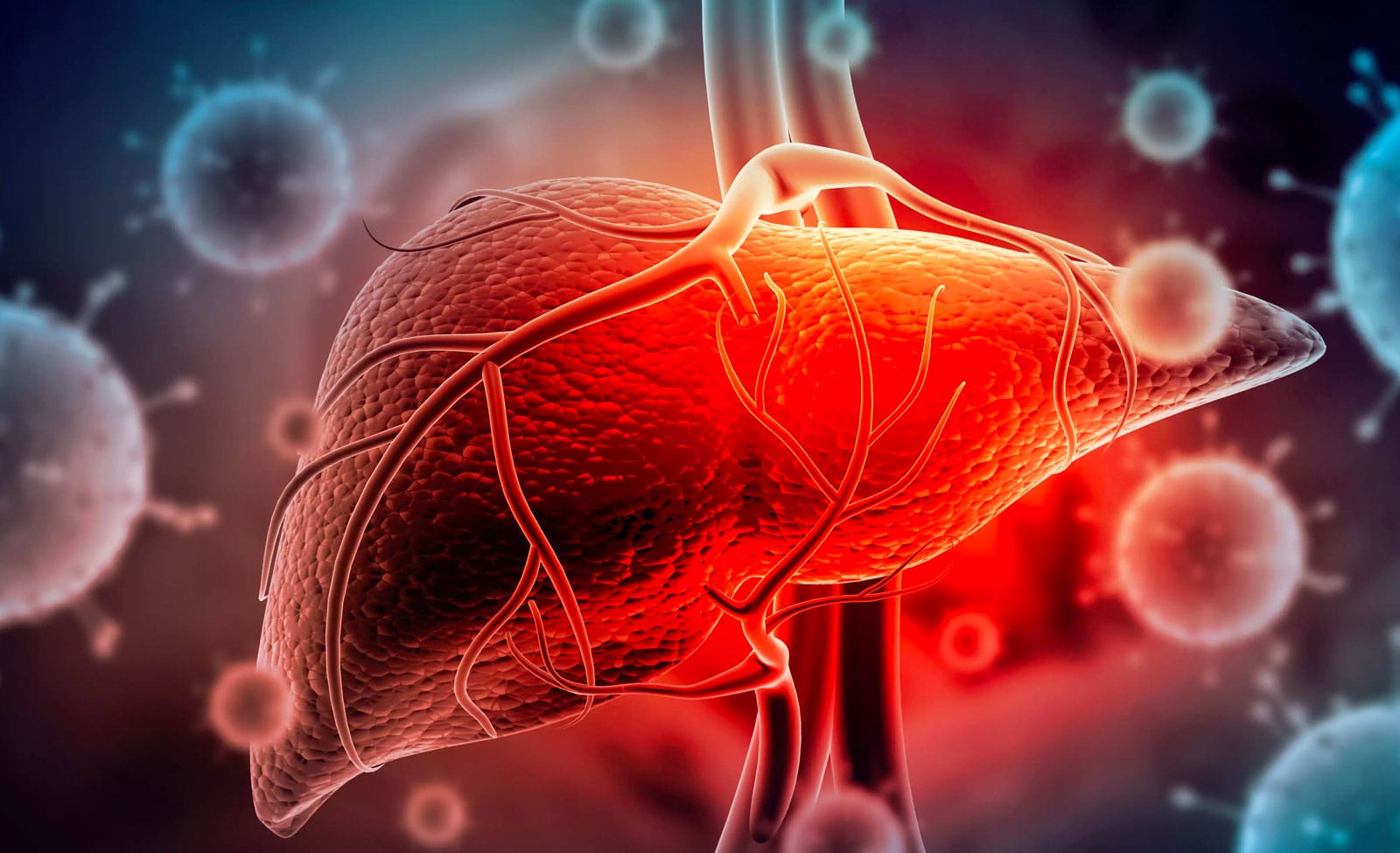
Hepatitis E is a liver infection caused by the hepatitis E virus, also known as HEV.
In most people with a healthy immune system, the infection causes acute hepatitis, meaning a temporary inflammation of the liver that tends to improve over time.
Symptoms may include fatigue, nausea, abdominal discomfort, loss of appetite, dark urine, pale stools, and yellowing of the skin or eyes.
Although hepatitis E is often self-limited, it deserves attention because it can be more serious in certain groups, especially pregnant people, immunocompromised individuals, and people with pre-existing liver disease.
One of the main features of hepatitis E is its relationship with contaminated water, inadequate sanitation, and, in some settings, raw or undercooked foods of animal origin.
Important: hepatitis E may appear mild at first, but it should be evaluated carefully when jaundice, pregnancy, immunosuppression, or known liver disease is present.
Specific features of hepatitis E
Hepatitis E has several characteristics that make it important as a separate topic.
Key features include:
- Transmission usually occurs through contaminated water or food.
- Outbreaks may occur where sanitation is inadequate or water sources become contaminated.
- In some regions, undercooked animal-derived foods may be involved.
- Undercooked pork, pork liver, game meat, and raw or undercooked shellfish may carry risk in certain settings.
- During pregnancy, infection may be more severe in some epidemiological contexts.
- In immunocompromised people, the virus may persist and cause chronic hepatitis.
- Vaccine availability varies widely across countries and is not part of routine vaccination schedules in most of the world.
These points make hepatitis E strongly connected to sanitation, food safety, travel, pregnancy, and immune status.
For this reason, understanding how it spreads is essential for prevention.
How does the virus affect the liver?
The hepatitis E virus enters the body and may cause inflammation in the liver.
The liver is essential for several important functions, including:
- Producing bile.
- Processing medicines and other substances.
- Storing nutrients.
- Supporting normal blood clotting.
- Processing fats, proteins, and carbohydrates.
- Removing toxins from the blood.
When the liver is inflamed, these functions may be temporarily affected.
This can lead to abnormal blood tests, elevated liver enzymes, jaundice, general malaise, nausea, and dark urine.
In most people with normal immune function, the immune system controls the virus and liver inflammation gradually improves.
In immunocompromised people, the virus may persist for longer and, in some cases, cause chronic liver injury.
How does transmission occur?
The main route of hepatitis E transmission is fecal-oral.
This means that the virus present in the stool of an infected person or animal can contaminate water, food, hands, surfaces, or the environment.
Infection occurs when another person ingests the virus.
Main routes of transmission include:
- Drinking contaminated water.
- Eating food washed or prepared with contaminated water.
- Eating food handled with poor hygiene.
- Eating raw or undercooked pork in some settings.
- Eating undercooked pork liver or pork-derived products.
- Eating undercooked wild boar, deer, or other game meat.
- Eating raw or undercooked shellfish from contaminated waters.
- Blood transfusion in rare situations.
- Transmission from a pregnant person to the baby in some cases.
The importance of each transmission route varies according to region, sanitation, eating habits, food safety systems, and the circulating viral type.
Important: in some places, contaminated water is the main concern. In others, undercooked animal-derived foods may be more relevant.
Contaminated water, sanitation, and outbreaks
Hepatitis E is classically associated with outbreaks linked to contaminated water.
This can happen when fecal material contaminates water sources used for drinking, cooking, washing food, or preparing meals.
The risk increases in situations such as:
- Inadequate sanitation.
- Insufficient water treatment.
- Flooding.
- Humanitarian crises.
- Camps or temporary settlements with limited infrastructure.
- Areas with improper sewage disposal.
- Travel to regions with a higher risk of fecal contamination of water.
In these settings, many people may become ill around the same period, resulting in an outbreak.
Control depends on collective measures such as sanitation, safe water, epidemiological surveillance, and hygienic food preparation.
At the individual level, attention to drinking water and raw foods is especially important in higher-risk areas.
Food, pork, and animal-related transmission
An important feature of hepatitis E is that some forms of the virus can circulate in animals.
In certain regions, pigs, wild boar, deer, and other animals may act as reservoirs of the virus.
Transmission may occur when a person eats raw or insufficiently cooked meat, liver, or animal-derived products.
Foods associated with risk in some contexts include:
- Undercooked pork.
- Undercooked pork liver.
- Artisanal pork products that are not adequately prepared.
- Wild boar meat.
- Deer meat.
- Undercooked game meat.
- Raw or undercooked shellfish from contaminated waters.
The risk depends on the food, its source, how it is prepared, and whether the virus circulates in that region.
Cooking meat, liver, and shellfish thoroughly is one of the main ways to reduce risk.
Important: normal appearance, smell, and taste do not guarantee that food is free from viruses, bacteria, or parasites.
Genotypes of hepatitis E virus
The hepatitis E virus has different genotypes.
These genotypes may vary in geographic distribution, predominant transmission route, and association with animal reservoirs.
In general:
- Some genotypes are more strongly linked to waterborne outbreaks.
- Other genotypes may be associated with animal-derived food transmission.
- Disease severity can vary depending on the epidemiological context and affected group.
In clinical practice, suspicion is usually guided by symptoms, liver tests, exposure to risky water or food, pregnancy, immunosuppression, travel history, and laboratory investigation.
Genotype testing is not always performed routinely, but it helps explain why hepatitis E behaves differently in different parts of the world.
Hepatitis E during pregnancy
Hepatitis E deserves special attention during pregnancy.
In some settings, especially where certain viral types circulate, infection during pregnancy may be more severe.
The risk may be higher in the third trimester.
Possible complications include:
- Severe acute hepatitis.
- Acute liver failure.
- Obstetric complications.
- Increased risk for the pregnant person and baby in severe cases.
- Transmission to the baby in some cases.
Not every pregnant person with hepatitis E will develop severe disease, but the possibility of complications makes medical evaluation essential.
Pregnant people with symptoms of hepatitis, jaundice, dark urine, persistent vomiting, significant abdominal pain, or worsening general condition should seek medical care.
Important: hepatitis E during pregnancy should not be treated as a simple viral illness. Medical evaluation is necessary.
Can hepatitis E become chronic?
In most people with normal immune function, hepatitis E is acute and does not become chronic.
However, in immunocompromised people, the virus may persist in the body.
This may occur, for example, in:
- Transplant recipients.
- People taking immunosuppressive medications.
- People with hematologic diseases.
- Some patients receiving cancer treatment.
- People with significant immunodeficiency.
- People living with HIV and very low immune function.
In these cases, hepatitis E may progress to chronic hepatitis, with a risk of fibrosis and cirrhosis if it is not recognized and managed appropriately.
For this reason, persistent liver enzyme abnormalities in immunocompromised people should be investigated carefully.
Important: chronic hepatitis E is uncommon in otherwise healthy people, but it can be clinically important in immunocompromised patients.
What does not usually transmit hepatitis E?
Hepatitis E is not usually transmitted through everyday social contact.
It is not usually transmitted by:
- Hugging.
- Shaking hands.
- Social kissing.
- Coughing.
- Sneezing.
- Casual sharing of spaces.
- Contact at work or school.
Sexual transmission is not considered the main route of hepatitis E.
Bloodborne transmission can occur in rare situations, but it is not the predominant route.
The focus of prevention is safe water, properly cooked food, hand hygiene, sanitation, and careful handling of meat, organs, and shellfish.
Symptoms of hepatitis E
Symptoms of hepatitis E can range from mild to severe.
Some people have no symptoms or only a mild illness.
When symptoms occur, they may include:
- Fatigue.
- Weakness.
- General malaise.
- Loss of appetite.
- Nausea.
- Vomiting.
- Pain or discomfort in the upper right side of the abdomen.
- Low-grade fever.
- Body aches.
- Joint pain.
- Dark urine.
- Pale stools.
- Yellowing of the skin and eyes.
- Itching.
Before jaundice appears, the illness may look like a common viral infection or a gastrointestinal illness.
When the skin and eyes become yellow, suspicion for liver inflammation usually becomes clearer.
Even so, symptoms alone cannot reliably identify the exact cause of hepatitis.
Testing is needed to confirm the diagnosis.
Who has a higher risk of complications?
Hepatitis E is often self-limited in healthy people, but some groups may have a higher risk of complications.
These include:
- Pregnant people, especially in certain epidemiological settings.
- People with pre-existing liver disease.
- People with cirrhosis.
- Transplant recipients.
- Immunocompromised patients.
- People with hematologic diseases.
- People receiving cancer treatment.
- People living with HIV and very low immune function.
- Frail older adults.
In these groups, infection may carry a higher risk of severe disease, viral persistence, or worsening of existing liver disease.
Important: people with known liver disease should seek medical evaluation if acute hepatitis is suspected.
Warning signs and when to seek medical care
Seek medical care if symptoms suggest hepatitis, especially if the person belongs to a higher-risk group.
Warning signs include:
- Yellowing of the skin or eyes.
- Very dark urine.
- Very pale stools.
- Persistent vomiting.
- Severe abdominal pain.
- Excessive sleepiness.
- Confusion.
- Bleeding.
- Unexplained bruising.
- Significant abdominal swelling.
- Persistent fever.
- Rapid worsening of general condition.
- Symptoms during pregnancy.
- Symptoms in an immunocompromised person.
- Symptoms in someone with cirrhosis or known liver disease.
Important: confusion, bleeding, severe sleepiness, and rapid worsening may indicate serious liver dysfunction and require urgent care.
Diagnosis and tests
Diagnosis of hepatitis E depends on clinical evaluation and laboratory testing.
Because many conditions can cause liver inflammation, the evaluation usually considers symptoms, exposure history, travel, food intake, medication use, existing diseases, and blood tests.
Initial tests may include:
- ALT and AST.
- Bilirubin.
- Alkaline phosphatase.
- Gamma-GT.
- Albumin.
- Prothrombin time or INR.
- Complete blood count.
- Kidney function tests.
- Tests to investigate infectious and noninfectious causes of hepatitis.
Specific tests for hepatitis E may include:
- Anti-HEV IgM.
- Anti-HEV IgG.
- HEV RNA in blood or stool.
The availability of these tests may vary by healthcare service, region, and clinical suspicion.
Testing for hepatitis E may be especially important in acute hepatitis with no clear cause, hepatitis during pregnancy, illness in immunocompromised people, or situations with epidemiological suspicion.
Anti-HEV and HEV RNA: what is the difference?
Anti-HEV and HEV RNA are different tests.
Anti-HEV IgM
Anti-HEV IgM is an antibody that suggests recent or acute infection with hepatitis E virus.
It may be used in the investigation of acute hepatitis.
Anti-HEV IgG
Anti-HEV IgG may indicate previous exposure to the virus.
It can remain positive after infection.
An isolated result should be interpreted carefully, considering symptoms, timing of illness, and other test results.
HEV RNA
HEV RNA directly detects the genetic material of the virus.
It can confirm active infection.
This test may be especially useful in immunocompromised people, prolonged cases, or when antibody results do not clarify the diagnosis.
Important: hepatitis E test results should be interpreted together with symptoms, liver enzymes, timing of illness, and individual risk.
Treatment of hepatitis E
In most healthy people, acute hepatitis E improves with supportive care.
This means that treatment focuses on relieving symptoms, maintaining hydration, avoiding substances that may harm the liver, and monitoring recovery.
General measures include:
- Rest as needed.
- Adequate hydration.
- Eating according to tolerance.
- Avoiding alcohol.
- Avoiding self-medication.
- Reviewing medications that may affect the liver.
- Monitoring liver tests when indicated.
Hospitalization may be necessary in severe cases.
Pregnant people, immunocompromised individuals, and people with pre-existing liver disease may need closer follow-up.
Treatment in immunocompromised people
When hepatitis E becomes chronic in immunocompromised people, management may include reducing immunosuppression when it is safe and possible.
In selected cases, antiviral medication may be considered by specialists.
The decision depends on the type of patient, disease severity, liver function, transplant status, drug interactions, and risk of rejection or worsening of the underlying condition.
Important: there is no single approach that fits every case of hepatitis E. Management depends on severity and patient profile.
Possible complications
Most people recover, but complications can occur.
Possible complications include:
- Severe acute hepatitis.
- Acute liver failure.
- Decompensation of pre-existing cirrhosis.
- Chronic hepatitis in immunocompromised people.
- Progressive fibrosis in chronic cases.
- Cirrhosis in uncontrolled chronic cases.
- Pregnancy-related complications in certain settings.
- Rare neurological complications associated with infection.
- Need for hospitalization.
Severity varies according to viral type, region, age, pregnancy status, immune function, and presence of pre-existing liver disease.
Important: hepatitis E should not be ignored in pregnant people, immunocompromised individuals, or people with known liver disease.
How to prevent hepatitis E
Prevention of hepatitis E depends mainly on safe water, sanitation, hygiene, and proper food preparation.
Safe water
- Drink treated, filtered, boiled, or otherwise safe water.
- Avoid ice of uncertain origin in higher-risk areas.
- Use safe water to wash food.
- Be careful when traveling to areas with limited sanitation.
Hand hygiene
- Wash hands before preparing food.
- Wash hands before eating.
- Wash hands after using the bathroom.
- Wash hands after changing diapers.
- Wash hands after handling raw meat.
Properly cooked food
- Cook pork thoroughly.
- Cook liver and organ meats thoroughly.
- Avoid raw or undercooked game meat.
- Avoid raw shellfish in higher-risk settings.
- Avoid raw foods prepared with water of uncertain safety.
Travel precautions
In areas with higher risk of water contamination, it may help to:
- Choose foods that are thoroughly cooked and served hot.
- Avoid raw salads when water hygiene is uncertain.
- Avoid fruit that has already been peeled by someone else.
- Choose fruit that can be washed with safe water and peeled personally.
- Avoid drinks with ice of unknown origin.
These measures also help reduce the risk of other infections transmitted through water and food.
Is there a vaccine for hepatitis E?
Vaccine availability for hepatitis E varies worldwide.
A hepatitis E vaccine has been developed, but it is not widely available in many countries and is not part of most routine vaccination schedules.
For this reason, prevention of hepatitis E mainly depends on sanitation, safe water, hand hygiene, and proper food preparation.
In specific situations, vaccine recommendations may vary according to country, individual risk, local policies, and availability.
Important: for most people around the world, sanitation and food safety measures remain the main form of prevention.
Myths and facts
“Hepatitis E can be transmitted through contaminated water.”
Fact.
“Everyone with hepatitis E becomes severely ill.”
Myth.
“Hepatitis E is usually acute in healthy people.”
Fact.
“Hepatitis E always becomes chronic.”
Myth.
“Immunocompromised people can develop chronic hepatitis E.”
Fact.
“Hepatitis E may be more severe during pregnancy in some settings.”
Fact.
“The main prevention measures involve safe water, hygiene, and properly cooked food.”
Fact.
“Undercooked pork or game meat may be associated with hepatitis E in some regions.”
Fact.
“Alcohol helps clean the liver during hepatitis.”
Myth.
“Similar symptoms cannot confirm the cause of hepatitis without testing.”
Fact.
Quick FAQ
What is hepatitis E?
It is a liver infection caused by the hepatitis E virus, usually transmitted through contaminated water or food.
How do people get hepatitis E?
Mainly by ingesting contaminated water or food. In some settings, undercooked pork, organ meats, game meat, or shellfish may also be involved.
Can hepatitis E spread through sex?
This is not considered the main route of transmission. Hepatitis E is more strongly linked to the fecal-oral route, water, sanitation, and contaminated food.
Can hepatitis E become chronic?
In most healthy people, no. However, it can become chronic in immunocompromised people.
Is hepatitis E dangerous during pregnancy?
It can be more severe during pregnancy in some settings, especially in the third trimester. Pregnant people with suspected hepatitis should be evaluated.
Is there a vaccine for hepatitis E?
A vaccine has been developed, but it is not widely available in most countries. Prevention mainly depends on safe water, sanitation, hygiene, and thoroughly cooked food.
Is there treatment for hepatitis E?
Most acute cases in healthy people improve with supportive care. Severe cases, pregnancy, immunosuppression, and pre-existing liver disease require medical evaluation.
Which tests diagnose hepatitis E?
Anti-HEV IgM, anti-HEV IgG, and HEV RNA may be used, along with tests that evaluate liver inflammation and liver function.
Can hepatitis E cause cirrhosis?
In healthy people, this is uncommon. In immunocompromised people with chronic infection, fibrosis and cirrhosis may develop if the infection is not controlled.
Should people with liver disease be more cautious?
Yes. People with cirrhosis or pre-existing liver disease may have a higher risk of complications during acute hepatitis.
Can pork transmit hepatitis E?
In some settings, yes, especially when pork, liver, or pork-derived products are eaten raw or undercooked.
How can hepatitis E be prevented?
Use safe water, wash hands, avoid risky raw foods, cook meat and organ meats thoroughly, be cautious with shellfish, and take extra care when traveling to areas with limited sanitation.
Important disclaimer
This content is for educational purposes only and does not replace professional medical evaluation. Yellowing of the skin or eyes, dark urine, pale stools, persistent vomiting, significant abdominal pain, severe sleepiness, confusion, bleeding, significant abdominal swelling, persistent fever, or rapid worsening requires medical evaluation. Pregnant people, immunocompromised individuals, transplant recipients, and people with pre-existing liver disease should seek medical advice if hepatitis is suspected. Do not use medicines, antivirals, herbal products, supplements, or “liver detox” products without professional guidance.
References and further reading
- World Health Organization (WHO). Hepatitis E: transmission, symptoms, prevention, and treatment.
- Centers for Disease Control and Prevention (CDC). Hepatitis E: clinical overview and prevention.
- European Association for the Study of the Liver (EASL). Clinical practice guidelines on hepatitis E virus infection.
- European Centre for Disease Prevention and Control (ECDC). Hepatitis E epidemiology and prevention.
- National Health Service (NHS). Hepatitis E: symptoms, causes, and treatment.
- National Institute of Diabetes and Digestive and Kidney Diseases (NIDDK). Viral hepatitis and liver disease.
- Mayo Clinic. Hepatitis E: symptoms and causes.
- Cleveland Clinic. Hepatitis E: diagnosis, treatment, and prevention.
- Merck Manual Professional Version. Hepatitis E.
- Pan American Health Organization (PAHO). Viral hepatitis prevention and control.