

Topics covered in this article
- What is hepatitis D?
- Why does hepatitis D depend on hepatitis B?
- Are hepatitis D and delta hepatitis the same thing?
- Coinfection and superinfection: what is the difference?
- How does transmission occur?
- Situations that increase the risk
- What does not transmit hepatitis D?
- Symptoms of hepatitis D
- Why can hepatitis D be severe?
- Who should be tested for hepatitis D?
- Diagnosis and tests
- Anti-HDV and HDV RNA: what is the difference?
- How is the liver assessed?
- Treatment of hepatitis D
- Can hepatitis D be cured?
- Possible complications
- Hepatitis D and liver cancer
- Hepatitis D during pregnancy
- How to prevent hepatitis D
- Is there a vaccine for hepatitis D?
- Differences between hepatitis B, C, and D
- Myths and facts
- Quick FAQ
- Important disclaimer
- References and further reading
What is hepatitis D?
Hepatitis D is an infection caused by the hepatitis D virus, also called HDV or the delta virus.
It affects the liver and can cause acute or chronic inflammation.
The main feature of hepatitis D is that it does not occur on its own.
The hepatitis D virus needs the hepatitis B virus to multiply and cause infection.
This means that a person can only have hepatitis D if they also have active hepatitis B or if they acquire both viruses at the same time.
Hepatitis D is considered one of the most severe forms of chronic viral hepatitis because it can accelerate progression to cirrhosis, liver failure, and liver cancer.
Important: preventing hepatitis B also prevents hepatitis D. This is one of the reasons why hepatitis B vaccination is so important.
Why does hepatitis D depend on hepatitis B?
The hepatitis D virus is considered an incomplete or defective virus.
It has its own genetic material, but it cannot form a complete infectious viral particle without help from the hepatitis B virus.
To spread in the body, HDV uses a hepatitis B surface protein called HBsAg, which stands for hepatitis B surface antigen.
HBsAg works as part of the outer envelope of the virus.
Without this structure, hepatitis D cannot complete its life cycle efficiently.
For this reason, hepatitis D only occurs in people who are HBsAg positive, meaning people with active hepatitis B infection.
In simple terms:
- Without active hepatitis B, there is no hepatitis D.
- With active hepatitis B, hepatitis D can occur if there is exposure to the delta virus.
This dependence changes the prevention, diagnosis, and treatment of the disease.
Are hepatitis D and delta hepatitis the same thing?
Yes.
Hepatitis D and delta hepatitis are two names for the same infection.
The term “delta” comes from the historical identification of the viral agent associated with more severe hepatitis in people with hepatitis B.
Common terms include:
- Hepatitis D.
- Delta hepatitis.
- HDV infection.
- Hepatitis D virus infection.
All of these refer to infection caused by the hepatitis D virus.
Coinfection and superinfection: what is the difference?
Hepatitis D can occur in two main ways: coinfection or superinfection.
Coinfection
Coinfection occurs when a person acquires hepatitis B and hepatitis D at the same time.
In this situation, the body faces both viruses during the acute phase.
Some people may clear both viruses, especially when infection occurs during adulthood.
However, coinfection can cause intense acute hepatitis and, in some cases, acute liver failure.
Superinfection
Superinfection occurs when a person who already has chronic hepatitis B later acquires hepatitis D.
This situation is usually more concerning.
Because hepatitis B is already present in the body, HDV finds the conditions it needs to multiply.
Superinfection can greatly increase the risk of active chronic hepatitis, rapid progression to cirrhosis, and liver-related complications.
Important: in someone with chronic hepatitis B, an unexpected worsening of liver enzyme levels may raise suspicion for hepatitis D, among other possible causes.
How does transmission occur?
Hepatitis D is transmitted through routes similar to hepatitis B because it depends on HBV.
Transmission can occur through contact with infected blood or body fluids.
Main routes include:
- Sharing needles or syringes.
- Sharing equipment used to inject drugs.
- Contact with infected blood.
- Sex without protection with an infected person.
- Use of nonsterile instruments for tattoos, piercings, or cosmetic procedures.
- Sharing razors, nail clippers, toothbrushes, or objects that may contain blood.
- Needlestick injuries or exposure to sharp instruments.
- Transmission from mother to baby, although the pattern may vary according to hepatitis B activity.
As with hepatitis B, very small amounts of blood may be enough for transmission.
The blood does not have to be clearly visible for there to be a risk.
Situations that increase the risk
The risk of hepatitis D is higher in people who have hepatitis B and are exposed to situations in which HDV transmission can occur.
Main risk factors include:
- Chronic hepatitis B infection.
- Injection drug use.
- Sharing needles, syringes, or drug preparation equipment.
- Sex without condoms in higher-risk situations.
- Multiple sexual partners.
- HIV coinfection.
- History of sexually transmitted infections.
- Tattoos or piercings performed without adequate infection control.
- Medical, dental, cosmetic, or traditional procedures with improper sterilization.
- Hemodialysis in higher-risk settings.
- Occupational exposure to blood.
- Living in or having lived in areas where hepatitis D is more common.
- Household or sexual contact with an infected person, depending on the situation.
The distribution of hepatitis D varies widely across the world.
In some regions, infection is more common among people with chronic hepatitis B, people who inject drugs, socially vulnerable populations, and areas with lower access to vaccination and diagnosis.
What does not transmit hepatitis D?
Hepatitis D is not transmitted through ordinary social contact.
It is not transmitted by:
- Hugging.
- Shaking hands.
- Social kissing.
- Coughing.
- Sneezing.
- Sharing plates or cutlery.
- Using the same bathroom.
- Living, working, or studying near someone with the infection.
- Food or water.
There is no need to separate common household items such as cups, plates, or utensils.
However, objects that may come into contact with blood should not be shared.
This includes razors, toothbrushes, nail clippers, needles, and sharp instruments.
Symptoms of hepatitis D
Symptoms of hepatitis D can vary widely.
Some people have few symptoms, while others develop severe illness.
During the acute phase, possible symptoms include:
- Intense fatigue.
- Weakness.
- General malaise.
- Loss of appetite.
- Nausea.
- Vomiting.
- Pain or discomfort in the upper right side of the abdomen.
- Low-grade fever.
- Muscle aches.
- Joint pain.
- Dark urine.
- Pale stools.
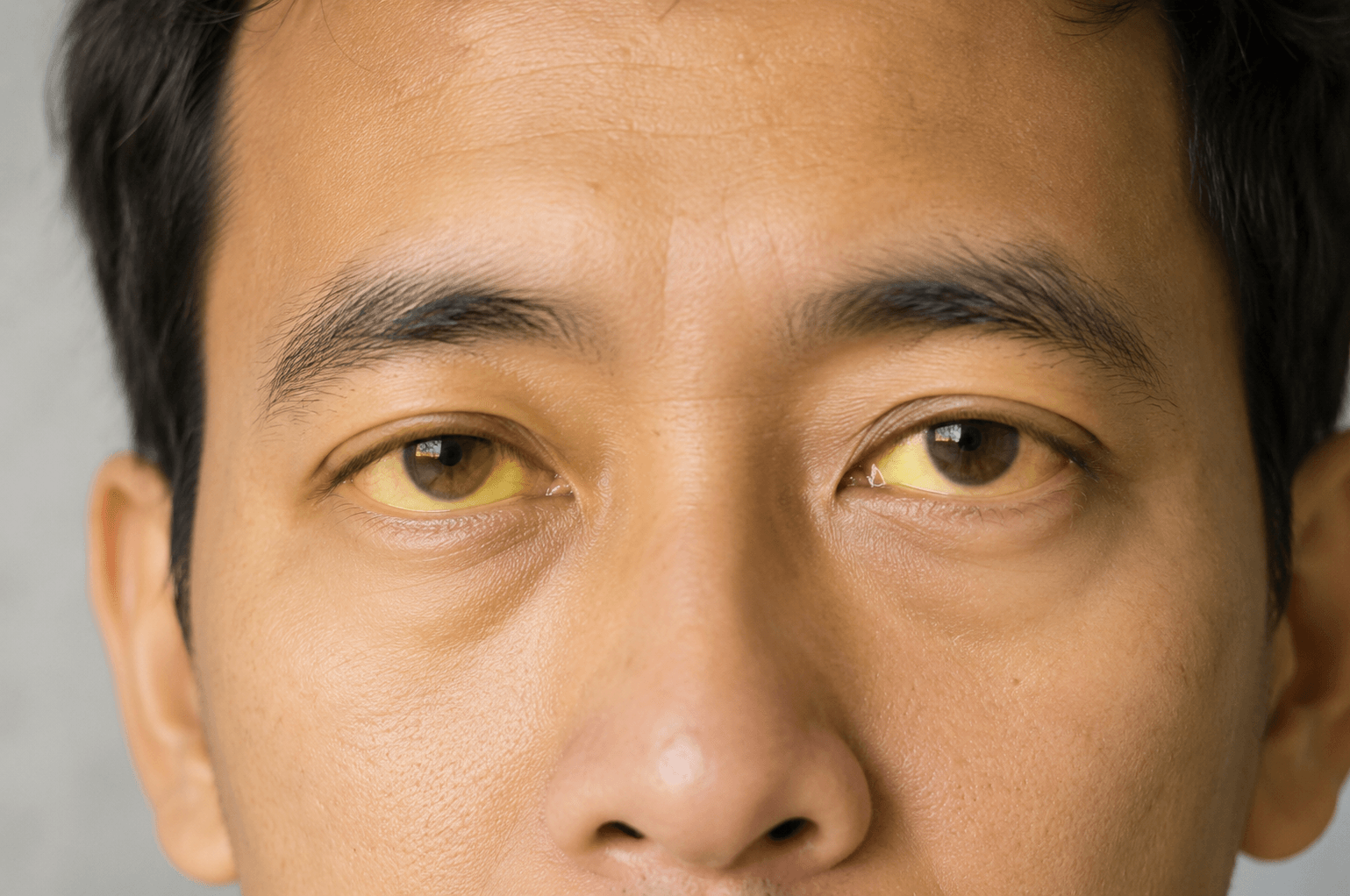
- Yellowing of the skin and eyes.
- Itching.
In chronic disease, a person may remain without symptoms for a long time.
When cirrhosis or advanced liver damage is already present, possible signs include:
- Swelling in the legs.
- Abdominal swelling.
- Easy bruising.
- Bleeding.
- Mental confusion.
- Excessive sleepiness.
- Loss of muscle mass.
- Persistent jaundice.
- Vomiting blood or black stools in cases of gastrointestinal bleeding.
Important: advanced symptoms may indicate liver decompensation and require urgent medical evaluation.
Why can hepatitis D be severe?
Hepatitis D can cause intense liver inflammation.
When it occurs in someone with chronic hepatitis B, it can accelerate liver scarring.
This increases the risk of advanced fibrosis, cirrhosis, and liver failure.
HDV infection can also increase the risk of liver cancer, especially when cirrhosis is present.
The challenge is that the disease may remain silent during part of this process.
As a result, some people only discover hepatitis D after significant liver changes have already developed or while being evaluated for chronic hepatitis B.
Important: anyone with chronic hepatitis B should speak with a healthcare professional about whether hepatitis D testing is needed.
Who should be tested for hepatitis D?
Hepatitis D testing should mainly be considered in people with active hepatitis B.
This includes people who are HBsAg positive.
Testing may be especially important when there is:
- Diagnosis of chronic hepatitis B.
- Elevated liver enzymes without a clear explanation in someone with hepatitis B.
- Hepatitis B that appears more aggressive than expected.
- Cirrhosis in someone with hepatitis B.
- Current or previous injection drug use.
- HIV coinfection.
- History of blood exposure.
- Higher sexual risk.
- Origin from or residence in regions where hepatitis D is more common.
- Close or sexual contact with someone who has hepatitis D.
Screening recommendations may vary by country and local protocol.
In many settings, testing for hepatitis D in people who are HBsAg positive is an important strategy to avoid missed diagnoses.
Diagnosis and tests
Diagnosis of hepatitis D depends on blood tests.
Because infection only occurs in people with active hepatitis B, evaluation usually includes tests for both viruses.
Tests related to hepatitis B
These may include:
- HBsAg.
- Anti-HBs.
- Total anti-HBc.
- Anti-HBc IgM when acute infection is suspected.
- HBeAg and anti-HBe in some cases.
- HBV DNA, also called hepatitis B viral load.
A positive HBsAg result means that the person has active hepatitis B infection.
Without positive HBsAg, hepatitis D cannot persist in the body.
Tests related to hepatitis D
These may include:
- Total anti-HDV.
- Anti-HDV IgM in some contexts.
- HDV RNA, also called hepatitis D viral load.
Anti-HDV helps identify exposure to hepatitis D virus.
HDV RNA confirms whether there is active viral replication.
Liver function and inflammation tests
Additional tests may include:
- ALT and AST.
- Bilirubin.
- Albumin.
- Prothrombin time or INR.
- Alkaline phosphatase.
- Gamma-GT.
- Complete blood count.
- Kidney function tests.
These tests help evaluate inflammation, liver function, and disease severity.
Anti-HDV and HDV RNA: what is the difference?
Anti-HDV and HDV RNA are different tests.
Anti-HDV
Anti-HDV is an antibody test.
It indicates that the immune system has been exposed to hepatitis D virus.
A positive result suggests exposure to HDV, but it does not always confirm that the virus is active at that moment.
HDV RNA
HDV RNA directly detects the genetic material of the virus in the blood.
When it is detectable, it indicates active hepatitis D infection.
This test may also be used to monitor response to treatment in some cases.
Important: to understand the full clinical picture, results should be interpreted together with HBsAg, hepatitis B tests, liver enzyme levels, and clinical evaluation.
How is the liver assessed?
After suspected or confirmed hepatitis D, it is important to evaluate the degree of liver involvement.
This assessment helps estimate risk, guide treatment, and plan follow-up.
Methods may include:
Laboratory tests
Blood tests help evaluate liver inflammation and liver function.
Changes in albumin, bilirubin, platelets, and INR may suggest more advanced disease.
Abdominal ultrasound
Ultrasound can assess the size and appearance of the liver, the presence of nodules, abdominal fluid, and indirect signs of cirrhosis or portal hypertension.
Liver elastography
Elastography measures liver stiffness.
Greater stiffness may suggest a higher degree of fibrosis.
It is a noninvasive test and is useful in the follow-up of chronic viral hepatitis.
Upper endoscopy
In people with cirrhosis, upper endoscopy may be recommended to evaluate varices in the esophagus or stomach.
Liver cancer surveillance
People with cirrhosis or increased risk may need regular surveillance for hepatocellular carcinoma.
This follow-up often involves ultrasound and, in some cases, blood tests or additional imaging based on medical guidance.
Important: liver assessment should continue even when symptoms are mild or absent.
Treatment of hepatitis D
Treatment of hepatitis D should be managed by a clinician with experience in liver disease, such as a hepatologist, infectious disease specialist, or gastroenterologist.
The approach depends on:
- Type of infection.
- Presence of chronic hepatitis B.
- Activity of hepatitis D.
- Degree of fibrosis or cirrhosis.
- Liver function.
- Presence of other infections, such as HIV or hepatitis C.
- Medication availability in the country.
Control of hepatitis B
Because hepatitis D depends on hepatitis B, evaluating and controlling HBV is an important part of care.
Medicines used for hepatitis B can reduce HBV replication, but they do not always directly control hepatitis D virus.
Even so, treating hepatitis B when indicated helps reduce overall liver risk.
Pegylated interferon
Pegylated interferon may be used in selected cases of chronic hepatitis D.
It works by stimulating immune responses against the virus.
However, not every patient can use this treatment.
It can have significant side effects and is not appropriate in several situations, especially decompensated liver disease.
HDV-specific medications
In some countries, HDV-specific medicines such as bulevirtide may be available for selected patients.
Availability varies according to regulatory approval, healthcare system, cost, and local treatment protocols.
Other therapies are under investigation or may be available in specific settings.
Liver transplantation
In cases of advanced cirrhosis, liver failure, or liver cancer within specific criteria, liver transplantation may be considered.
Important: hepatitis D treatment should not be managed without specialist guidance.
Can hepatitis D be cured?
The answer depends on the type of infection and the clinical situation.
In acute coinfection with hepatitis B and D, some people can clear both viruses.
In chronic hepatitis D, treatment is more challenging.
Goals may include:
- Reducing viral replication.
- Controlling liver inflammation.
- Lowering the risk of progression to cirrhosis.
- Reducing the risk of liver failure.
- Reducing the risk of liver cancer.
Sustained elimination of the virus may be difficult in many chronic cases.
For this reason, continued follow-up is essential.
Important: even without symptoms, chronic hepatitis D can continue to damage the liver.
Possible complications
Hepatitis D can cause serious complications, especially when it becomes chronic or occurs in people with chronic hepatitis B.
Possible complications include:
- Severe acute hepatitis.
- Acute liver failure.
- Accelerated liver fibrosis.
- Cirrhosis.
- Portal hypertension.
- Varices in the esophagus or stomach.
- Ascites, which means fluid buildup in the abdomen.
- Hepatic encephalopathy.
- Coagulopathy.
- Chronic liver failure.
- Liver cancer.
- Need for liver transplantation.
The risks may be higher when there is alcohol use, coinfection, obesity, diabetes, fatty liver disease, or lack of medical follow-up.
Hepatitis D and liver cancer
Hepatitis D can increase the risk of hepatocellular carcinoma, especially in people who develop cirrhosis.
This risk is related to chronic inflammation, progressive liver scarring, and interaction with hepatitis B.
People with cirrhosis or elevated risk may need regular surveillance for liver cancer.
This surveillance may include liver ultrasound and additional tests based on medical guidance.
Important: treating and monitoring hepatitis B and D reduces risks, but people with cirrhosis still need regular surveillance.
Hepatitis D during pregnancy
Hepatitis D during pregnancy requires specialist follow-up.
Because HDV depends on hepatitis B, evaluation should include HBV markers, hepatitis B viral load, and the pregnant person’s clinical condition.
The baby should receive preventive measures against hepatitis B at birth according to local protocols.
These measures usually include hepatitis B vaccination and, in many cases, hepatitis B immunoglobulin when indicated.
Preventing hepatitis B in the newborn is also the central way to prevent related hepatitis D infection.
Treatment decisions during pregnancy must be individualized.
Important: pregnant people with hepatitis B or D should have specialized prenatal care and a clear prevention plan for the baby.
How to prevent hepatitis D
Preventing hepatitis D begins with preventing hepatitis B.
Because HDV cannot persist without HBV, avoiding hepatitis B also prevents hepatitis D.
Prevention measures include:
- Vaccination against hepatitis B.
- Using condoms in situations with increased risk.
- Not sharing needles or syringes.
- Not sharing equipment used to inject drugs.
- Not sharing razors, toothbrushes, nail clippers, or sharp objects.
- Choosing safe and regulated tattoo and piercing studios.
- Making sure disposable or properly sterilized equipment is used during procedures.
- Using protective equipment in activities involving possible blood exposure.
- Testing for hepatitis B and D when risk factors are present.
- Treating and monitoring hepatitis B when indicated.
People with chronic hepatitis B should avoid exposures that could transmit or acquire other viruses, including hepatitis D.
Is there a vaccine for hepatitis D?
There is no specific vaccine against hepatitis D.
However, the hepatitis B vaccine indirectly prevents hepatitis D because HDV requires hepatitis B virus to cause infection.
A person who is vaccinated and protected against hepatitis B cannot develop hepatitis D because they do not have the HBsAg needed for the delta virus to persist.
For this reason, hepatitis B vaccination is the main prevention strategy against hepatitis D.
Important: someone who already has chronic hepatitis B is not protected against hepatitis D simply by receiving the vaccine afterward. In that situation, prevention depends on avoiding exposure to HDV and maintaining medical follow-up.
Differences between hepatitis B, C, and D
Hepatitis B, C, and D can all affect the liver and may become chronic, but they are different diseases.
Hepatitis B
- It is caused by HBV.
- It can be transmitted through blood, sex, and from mother to baby.
- It may be acute or chronic.
- A vaccine is available.
- Treatment can control the virus in many cases.
Hepatitis C
- It is caused by HCV.
- It is transmitted mainly through blood.
- It often becomes chronic.
- No vaccine is currently available.
- It can be cured in most cases with modern antiviral medicines.
Hepatitis D
- It is caused by HDV.
- It only occurs in people with active hepatitis B.
- It may occur as coinfection with hepatitis B or as superinfection in someone who already has chronic hepatitis B.
- There is no specific vaccine, but hepatitis B vaccination prevents hepatitis D.
- It can be more aggressive and accelerate progression of liver disease.
Important: hepatitis D is not a “version” of hepatitis C. It is biologically linked to hepatitis B.
Myths and facts
“Hepatitis D only occurs in people with hepatitis B.”
Fact.
“Hepatitis D is the same thing as hepatitis C.”
Myth.
“The hepatitis B vaccine helps prevent hepatitis D.”
Fact.
“There is a specific vaccine against hepatitis D.”
Myth.
“A person with chronic hepatitis B can acquire hepatitis D later.”
Fact.
“Hepatitis D always causes symptoms at the beginning.”
Myth.
“Hepatitis D can accelerate progression to cirrhosis.”
Fact.
“Hugging or sharing cutlery transmits hepatitis D.”
Myth.
“Objects that may contain blood should not be shared.”
Fact.
“People with hepatitis B should speak with a healthcare professional about hepatitis D testing.”
Fact.
Quick FAQ
What is hepatitis D?
It is an infection caused by the hepatitis D virus, which affects the liver and only occurs in people who also have active hepatitis B.
Are hepatitis D and delta hepatitis the same thing?
Yes. Delta hepatitis is another name for hepatitis D.
Can I have hepatitis D without hepatitis B?
No. Hepatitis D virus depends on hepatitis B virus to persist in the body.
How do people get hepatitis D?
Transmission occurs through contact with infected blood or body fluids, similarly to hepatitis B.
Can hepatitis D spread through kissing?
Social kissing is not a usual route of transmission. The main risk involves blood and body fluids in specific situations.
Can hepatitis D spread through food or water?
No. Unlike hepatitis A and hepatitis E, hepatitis D is not transmitted through contaminated food or water.
Should people with hepatitis B be tested for hepatitis D?
Many people with positive HBsAg may benefit from evaluation for hepatitis D, especially if there are risk factors, abnormal liver enzymes, or advanced liver disease.
Is there treatment for hepatitis D?
Yes, but treatment is more complex than for some other viral hepatitis infections and should be managed by a specialist.
Can hepatitis D be cured?
In some acute cases, viral clearance can occur. In chronic disease, response to treatment varies, and ongoing follow-up is essential.
Is there a vaccine for hepatitis D?
There is no specific vaccine against hepatitis D, but the hepatitis B vaccine prevents hepatitis D by preventing HBV infection.
Can someone who already has hepatitis B protect themselves from hepatitis D by getting vaccinated?
The hepatitis B vaccine prevents infection in people who do not already have HBV. Someone with chronic hepatitis B needs to avoid exposure to HDV and maintain medical follow-up.
Can hepatitis D cause liver cancer?
It can increase the risk, especially in people with cirrhosis or advanced chronic liver disease.
Important disclaimer
This content is for educational purposes only and does not replace professional medical evaluation. People with hepatitis B, positive HBsAg, persistent liver enzyme abnormalities, blood exposure, shared needle use, higher-risk sexual exposure, or a history of procedures with nonsterile equipment should speak with a healthcare professional about testing and follow-up. Severe jaundice, vomiting blood, black stools, significant abdominal swelling, confusion, severe sleepiness, bleeding, persistent fever, or sudden worsening requires urgent medical care. Do not start, stop, or change antivirals, supplements, herbal products, or medications without professional guidance.
References and further reading
- World Health Organization (WHO). Hepatitis D: overview, transmission, prevention, and treatment.
- Centers for Disease Control and Prevention (CDC). Hepatitis D: transmission, testing, and prevention.
- European Association for the Study of the Liver (EASL). Clinical practice guidelines on hepatitis delta virus infection.
- American Association for the Study of Liver Diseases (AASLD). Hepatitis B and hepatitis D guidance.
- European Centre for Disease Prevention and Control (ECDC). Hepatitis B and D epidemiology and prevention.
- National Health Service (NHS). Hepatitis D: causes, symptoms, and treatment.
- Mayo Clinic. Hepatitis D: symptoms, causes, and risk factors.
- Cleveland Clinic. Hepatitis D: diagnosis and treatment.
- Merck Manual Professional Version. Hepatitis D.
- National Institute of Diabetes and Digestive and Kidney Diseases (NIDDK). Viral hepatitis and chronic liver disease.