

Contents discussed in this post
What rubella is
How it spreads and how long people are contagious
Typical symptoms in children and adults
When to suspect it and key differentials
Rubella in pregnancy and congenital rubella syndrome
Laboratory diagnosis
Treatment and isolation
Vaccination: who should get it, contraindications, and travel
Quick myths and clarifications
Quick FAQ
Important notice (health disclaimer)
References and recommended reading
What rubella is
Rubella is an acute viral infection caused by the rubella virus. It is usually mild, but it has major public health relevance because maternal infection early in pregnancy can cause congenital rubella syndrome (CRS).
How it spreads and how long people are contagious
Transmission is via respiratory droplets and close contact. People are most contagious from 1 week before until 7 days after the rash begins. Infants with CRS may shed virus for months, requiring prolonged precautions.
Typical symptoms in children and adults
Many infections are asymptomatic. When present, symptoms are usually mild:
Low-grade fever and malaise
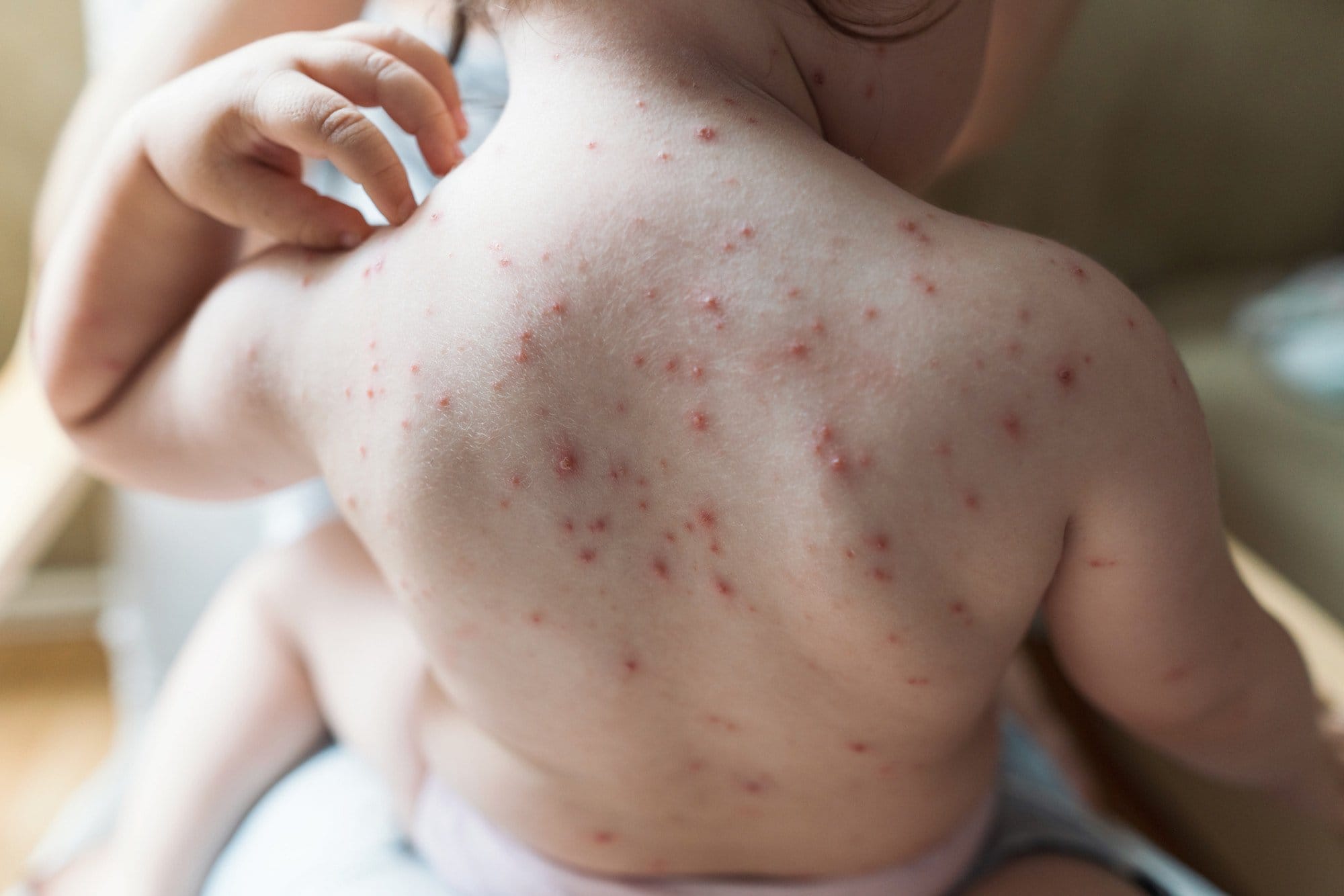
Pink maculopapular rash starting on the face, spreading to trunk and limbs, lasting 3–5 days
Characteristic lymphadenopathy in retroauricular, suboccipital, and posterior cervical chains
Forchheimer spots on the soft palate may occur
Arthralgia or arthritis is common in adolescents and adults, especially women
Complications are uncommon but include thrombocytopenia, encephalitis, and neuritis.
When to suspect it and key differentials
Suspect rubella with acute rash plus retroauricular nodes and no vaccination history or known exposure. Differentials:
Measles: higher fever, cough, conjunctivitis, Koplik spots, more intense rash
Parvovirus B19: “slapped-cheek” erythema infectiosum with arthralgias
Roseola (HHV-6/7): high fever that resolves before rash
Dengue, Zika, other exanthems depending on local epidemiology
Drug eruptions and mononucleosis in specific contexts
Rubella in pregnancy and congenital rubella syndrome
Maternal infection, especially in the first trimester, can cause pregnancy loss, malformations, and lifelong sequelae. CRS may include:
Sensorineural hearing loss
Ocular defects such as cataracts
Congenital heart disease, often PDA or pulmonary stenosis
Microcephaly, intracranial calcifications, developmental delay
Low birth weight, hepatosplenomegaly, and “blueberry muffin” purpura
Prevention relies on immunization before pregnancy. MMR is contraindicated during pregnancy, but safe postpartum to protect future pregnancies. After recent exposure in a susceptible pregnant person, seek specialist guidance. Specific immunoglobulin has limited use and does not replace vaccination.
Laboratory diagnosis
Clinical diagnosis is often uncertain, so confirmation is important in pregnancy and during outbreaks.
Serology: IgM may indicate recent infection, but false positives occur. Assess IgG and, when possible, seroconversion or a significant rise in paired samples.
RT-PCR on respiratory samples supports early detection and outbreak investigations.
Suspected CRS: test newborn urine, nasopharyngeal secretions, and serum with RT-PCR and serology.
Treatment and isolation
No specific antiviral exists. Management is supportive:
Hydration, antipyretics, rest
Analgesia for arthralgias
Avoid aspirin in children because of Reye syndrome risk
Isolation until at least 7 days after rash onset
Report cases per local public health rules
Pregnant patients require coordinated obstetric and infectious diseases follow-up.
Vaccination: who should get it, contraindications, and travel
The MMR vaccine protects against measles, mumps, and rubella.
Schedule: follow national calendars. Typically two doses in childhood. Unvaccinated adults should receive at least one dose, and in many countries two doses are recommended.
Women of childbearing potential: verify documentation or serology. If susceptible, vaccinate and avoid conception for 28 days after the dose.
Contraindications: pregnancy, severe immunosuppression, history of anaphylaxis to vaccine components. Breastfeeding is not a contraindication.
Travel: ensure up-to-date vaccination before visiting areas with outbreaks or low coverage—rubella can be reintroduced into regions that had achieved control.
Quick myths and clarifications
“Rubella is always mild, so vaccination isn’t needed.” Usually mild, but CRS can be severe. Vaccination protects mothers and babies.
“I had rubella as a child, so I’m immune.” Often true, but many were never lab-confirmed. Documented vaccination is more reliable.
“MMR during breastfeeding harms the baby.” MMR is permitted during lactation.
Quick FAQ
How long does the rash last?
About 3–5 days. Fever is typically low or absent.
Do I always need lab tests?
Not always in children outside outbreaks. In pregnancy, health-care workers, and outbreak settings, confirmation is recommended.
How do I tell it from measles at home?
You can’t reliably. Measles tends to have high fever, cough, conjunctivitis, and Koplik spots. Seek medical evaluation.
Do I need a booster if I already had two MMR doses?
If you have two documented doses, generally no. Without proof, catch-up vaccination is advised.
Important notice (health disclaimer)
This content is educational and does not replace medical care. If rubella is suspected—especially in pregnancy or after exposure to pregnant contacts—seek professional evaluation and follow local surveillance and vaccination guidance.
References and recommended reading
WHO. Rubella and congenital rubella syndrome: key facts; elimination strategies.
CDC. Rubella: clinical overview, testing, and vaccination.
ECDC. Rubella surveillance and laboratory guidance.
PAHO. Field guide for surveillance of measles and rubella.
Cochrane Reviews. Safety and effectiveness of MMR vaccination.
National health ministries. Country-specific immunization schedules and rubella guidance.